
When people ask me how long I’ve been dancing, I usually start counting the years from my freshman year in high school. In reality though, I’ve been dancing and moving for as long as I can remember. Whether it was recreating dance sequences from music videos, pretending that I was a popstar, or needing to dance for field demonstrations at school, I was always moving and grooving.
This might be why I used to be intimidated by mindfulness exercises. As someone who loves moving around, and as someone whose mind endlessly wanders, the thought of having to sit still and meditate wasn’t something that particularly excited me. I had this impression that maybe mindfulness just wasn’t my thing, and that I would have to find other ways to work on my mental health. But the more that I started to grow and evolve in dance, and the more that I actually understood mindfulness, the more that I discovered that the two aren’t actually very different. In fact, all this time, I was unknowingly developing mindfulness through dance.
Let me share how I developed the attitudes of mindfulness through dance:
1. Non-judging
A form of dance that I’ve come to love is freestyle – basically a form of improvisation. No choreographed routine, no planning ahead, just pure reliance on how your body naturally moves to the music. Admittedly, having to do freestyles used to make me self-conscious. In the beginning, it was something that seemed so intimidating to me. Over time though, I opened myself up, and it eventually became one of my favorite things to do. I found freedom and expression in not questioning or judging the choices my body was making, ultimately allowing myself to fully immerse in the moment.
2. Patience
Typically, we’re taught to stay on beat by using counts of 8. And while this method isn’t necessarily incorrect, it can be harder to apply to more intermediate and advanced choreographies. Even so, dancers can also sometimes get lost in their concentration and count intuitively, rather than actually listening and paying to the music. There’s a term that’s used, “dancing in the pocket” which basically means dancing in reaction to the music, rather than anticipating it. As I tried to get better and better at dancing in the pocket, I made intentional efforts to not rely on just counting in my head, but to actually listen to the music. It challenged me to become more patient and really exercise control over my mind and body.
3. Beginners mind
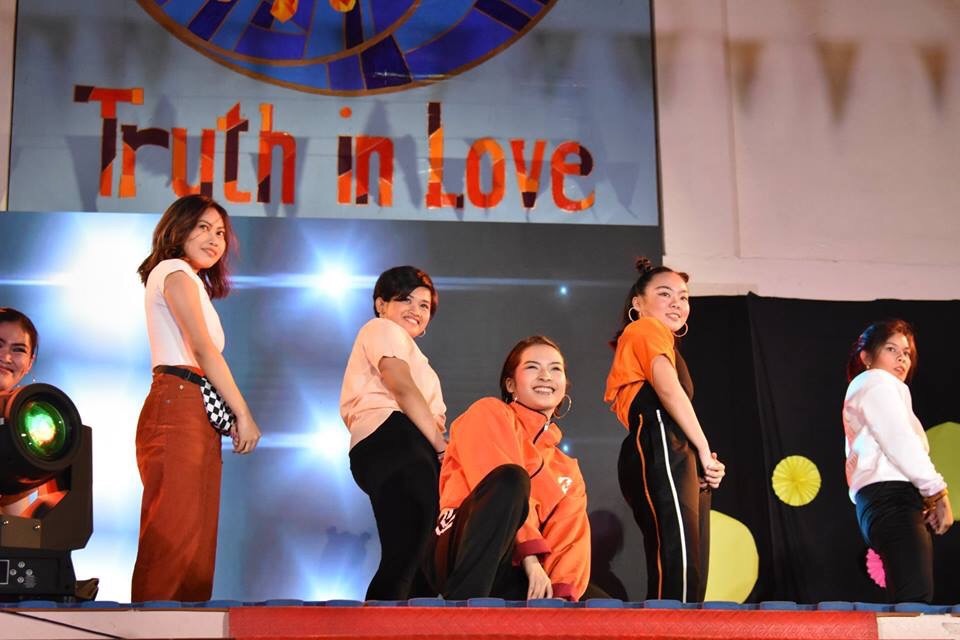
For almost 15 years now, without fail, every dance team I’ve joined starts every new training cycle with going back to very similar basic foundational drills. Whether the rookie or the senior, we all go back to the same drills. By doing these drills over and over again, and by embodying a beginner’s mindset, I’ve been able to develop a strong foundation that has allowed me to be stronger and more versatile. By adapting a beginner’s mindset, I also learned to appreciate every learning opportunity, and not take for granted all the small steps of hard work that I put in. Most importantly though, keeping a beginners’ mind keeping me curious, and keeps me excited to learn and grow.
4. Trust
One of the things that I’m most thankful for is that in all the years that I’ve been dancing is that I’ve never encountered a major injury that required me to be sidelined for an extended period of time. Sure, I might have sprained my ankle, strained a couple muscles, and I might have also dislocated my elbow once (although that wasn’t actually from dance!), but for the most part, I’ve been able to take care of my body. One of the biggest reasons why I’ve been able to do this is because I’ve learned how to listen and trust my body. I know when to push my body, and when to give it rest. And whenever I’m nervous, I’ve also learned to trust my body, and trust the training I’ve put in to prepare my body as best as I can.
5. Non-striving
I’m not going to pretend that I’m not competitive and that I never had dance ambitions. However, I was also lucky to have coaches and mentors who, more than winning, instilled the importance of enjoying the moment, and simply putting the best version of yourself on stage. Although we could be extremely competitive during training, come actual competition day, all of that would be thrown out the window. Nothing else mattered than pouring our hearts out and enjoying the moment. Ironically, non-striving has helped me stay in the competitive scene longer. I’ve actually been able to maintain a healthy and sustainable relationship with the demands of competing because my focus is centered around the process, and not the outcomes.
6. Acceptance
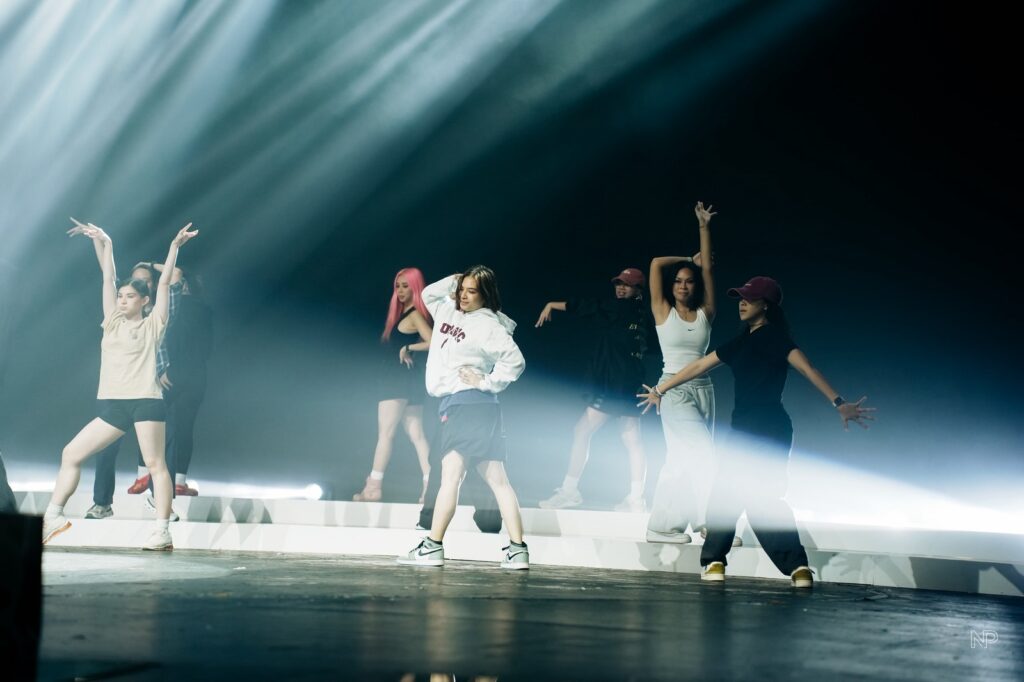
I used to think that dance was universal. And by this, I thought that dance could mold the body to move in very specific ways. Over the years, a frustration I frequently encountered was: “why don’t I look like them?” I realized though, that as much as there are ways our bodies can move similarly, ultimately, every body works and moves differently. Our individual and unique movement is a power and a strength, and not a limitation. I came to discover that it’s not about exactly copying other people’s movements, but it’s about recognizing your own body, and understanding your own movement. By embracing and accepting your body and how it moves, it gets easier to actually understand how you can grow and improve.
7. Letting go
To this day, and even after years of experience, I’m still hit with waves of panic and anxiety before stepping on stage. And even in the simpler things like running choreography at the end of class, I will still feel moments of nervousness and uncertainty. But once your cue and the music starts, once you actually start moving, nothing else matters. You find yourself letting go and submitting to the music. And at the end of a stressful day or a stressful week, there’s no better feeling than having a few precious moments of just letting go of your inhibitions, and releasing all that stress.
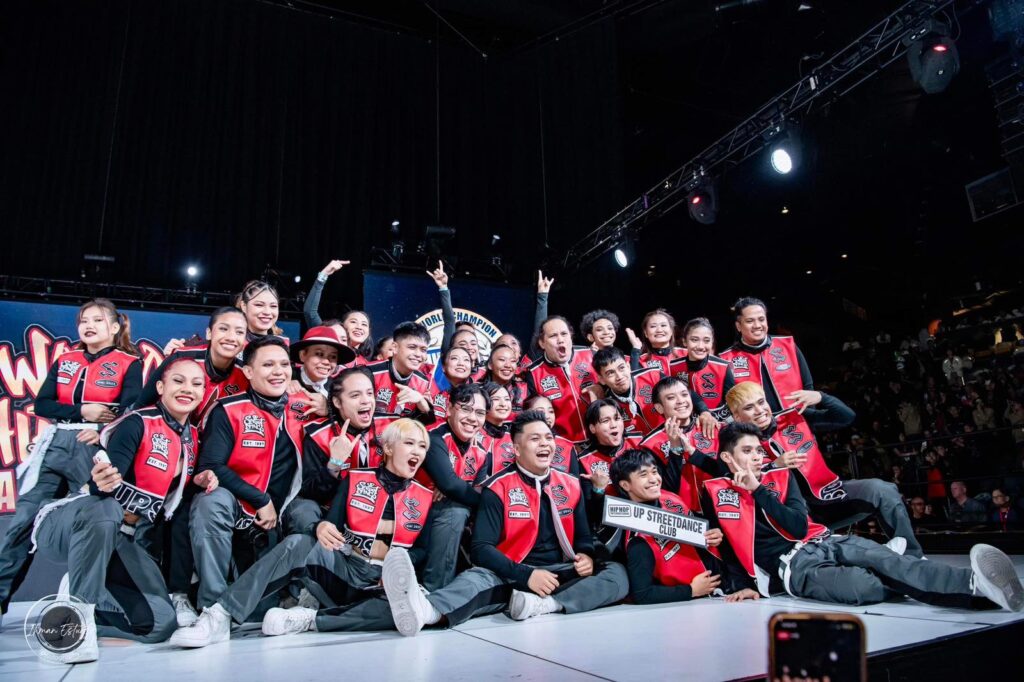
Over the past couple years, more and more dance studios have popped up across Metro Manila. There’s also been a lot more beginner classes of various styles. It’s been really fulfilling seeing dance become more accessible and approachable. And I guess this shouldn’t be a surprise since dance has always been a great form of exercise not only for our physical health but also our mental wellbeing. Not only this, but dance helps provide safe spaces and builds connection and communities. So if you’re curious, or even maybe just looking for a new activity to explore, I highly encourage exploring dancing through life!