Categories
Blog General Wellbeing Practices

The 5 Stages of Heartbreak (and how to survive them)

Heartbreak is inevitable. We try to avoid it, we fear it, but at some point, it is something we all experience. Whether it is the end of a romantic relationship, a breakup with a long-term partner, or the painful decision to file for separation/annulment/divorce, heartbreak is a deeply personal and often overwhelming experience. The emotional toll can feel exhausting, leaving you wondering how you will ever move forward.

In this post, we will dive into the stages of heartbreak, based on the Kübler-Ross model of grief, and explore how to manage your emotions as you move through each phase. Whether you are in the middle of a heartbreak or reflecting on one from the past, this article will offer
insights on how to cope, heal, and ultimately grow.

The first stage of heartbreak is denial, a natural response of the brain and a common defense mechanism that helps numb the overwhelming emotions triggered by a breakup. Denial provides a temporary emotional shield, giving you more time to adjust to the situation, slowly absorb your new reality, and begin to process the inevitable changes in your life.

Some feelings and behaviors common in this stage are:

  • Trying to stay in touch with your ex as though you are still together to keep some form of normalcy
  • Forgetting that you were broken up and not sharing this news with your family and friends

Some coping strategies include:

  • Allow yourself to feel all the emotions
    • Stop running away from them and allow yourself to feel all the emotions. Sometimes it is best to let everything out.
  • Acknowledge the breakup by sharing the news
    • Sharing the news to your loved ones can serve as a starting point for moving on.
  • Avoid contacting your ex
    • Staying in contact with your ex only makes it more difficult to move on. You will constantly have them in your mind, which will slow down the healing process.

The second stage of heartbreak is anger. While denial acts as a coping
mechanism, anger functions as a mask that conceals the deeper negative emotions and pain that often accompany a breakup, such as bitterness, resentment, and frustration. It allows you to channel those intense feelings outward, creating a sense of control over the emotional turmoil you are experiencing.

Some feelings and behaviors common in this stage are:

  • Feeling hurt
  • Blaming your ex for the breakup and carrying resentment towards them
  • Hoping for the worst for your ex

Some coping strategies include:

  • Sit with your anger and channel it elsewhere
    • It is normal to feel angry in this situation. Sit on your anger even if its uncomfortable, then channel it elsewhere by exercising, listening to music, etc.
  • Avoid badmouthing your ex
    • Eliminate all negative vibes by avoiding to talk about your ex’s negative traits and attributes. This will only make it more difficult to move on. Use these conversations to focus on rebuilding yourself and navigating the changes.

The third stage of heartbreak is bargaining. During this phase, we often negotiate with ourselves, and sometimes with our ex-partners, trying to find ways to change or fix things in order to restore the relationship. It is common to find yourself caught up in “what if”, as you desperately seek alternate scenarios where things could have turned out differently. This stage serves as a defense against the deeper emotions of grief, offering a temporary escape from the sadness, confusion, and pain.

Some feelings and behaviors common in this stage are:

  • Feeling vulnerable and helpless. In those moments of intense emotions, it is not uncommon to look for ways to regain control.
  • Wishing for another chance, reevaluating and negotiating relationship terms (friends with benefits, situationships, etc. ), and end up compromising your own personal values.
  • Seeking to compromise with your ex and promising change.

Some coping strategies include:

  • Always remember why you broke up
    • It is inevitable to reminisce about your relationship and
      remember the good times you had together. When you start to
      think that they should be back in your life, remember the
      reasons as to why the relationship did not work out.
  • Remember your personal values
    • Do not sacrifice the values that are important to you. You can
      build a meaningful relationship on your own terms with
      someone who shares those same values.

The fourth stage of heartbreak is depression. In this stage, you might find yourself more capable of confronting and processing your feelings. You may create your own opportunity to give yourself the space needed to deeply process the events and heal from the heartbreak. However, depression can be complex, messy, and profoundly difficult to navigate, which is why it is crucial to lean on loved ones and seek the support you need during this challenging time.

Some feelings and behaviors common in this stage are:

  • Feeling overwhelmed, heavy, and confused
  • Feeling an overwhelming sadness and experiencing crying spells
  • Isolating yourself from friends and family
  • Feeling hopeless about the future

Some coping strategies include:

  • Practice self-care
    • Take care of your mental health by practicing mindfullness,
      getting enough sleep, eating, and doing the things you love to
      do.
  • Reach out to loved ones
    • Reach out to your friends and family for their support. They
      will be integral to your healing.
  • Find something that makes you happy
    • Find something that makes you feel happy and relaxed to help
      you focus on the present moment.
  • Seek professional help if needed
    • If you feel extremely overwhelmed and lost, it is a good idea to
      talk to a professional who can help you in navigating your loss
      and processing your feelings.

The final stage of heartbreak is acceptance and healing. Acceptance does not necessarily mean that you have completely moved past the loss. Rather, it signifies that you have come to terms with the breakup and have gained a deeper understanding of what it means in your life moving forward. You begin to integrate the feelings, experiences, lessons, and memories from the relationship, ultimately acknowledging that it has reached its natural end, and you find the strength to let go and gradually move forward.

References:

  • Gupta, S. (2024, February 9). From heartbreak to healing: Navigating the 7 stages of a breakup. Verywell Mind. https://www.verywellmind.com/from-heartbreak-to-healing-navigating-the-7-stages-of-a-breakup-8552187
  • Holland, K. (2024, September 30). The stages of grief: How to understand your feelings.
  • Healthline. https://www.healthline.com/health/stages-of-grief
  • Tyrell, P., Harberger, S., Schoo, C., & Siddiqui, W. (2025). Kubler-Ross Stages of Dying and Subsequent Models of Grief.


Categories
Blog Dialectical Behavior Therapy (DBT) Everyday Thriving

How DEAR MAN Helps us Share our Feelings Effectively

“Don’t rock the boat.”

Most of us at some point in our lives have likely heard such an idiom as this or similar to this. These sayings point to a warning against causing trouble, disturbing the harmony of a situation, or causing distress to people around you. It is certainly true that keeping harmonious relationships in this way helps people around you to stay calm and happy. However, this sometimes comes at the cost of us not being able to speak our truth, or even do what matters to us the most. With repeated interactions along these lines, where expectations of harmony and smooth relationships are prioritized over being able to express oneself and one’s needs, some of us simply forget to or even become afraid to express ourselves. This apprehension includes one where we end up not knowing how to share how we feel.

However, it is important to both our wellbeing and for forming strong, deep, and genuine relationships for us to be able to share our how we feel. Fortunately, there is a known way, backed by research and practice, to share how we feel that is effective and recommended. To jump right into what we can use, let’s consider the following template:

“A while I noticed that we were in a situation where (describe the situation). When this happens, I feel (say the word for the emotion that you felt, with additional detail to what applies to you). I want (share what you want to happen). When we do this, (share how what you want to happen will benefit you and the person/people involved).”

The above statement is grounded on the pillar of Interpersonal Effectiveness, which in turn is one of the four pillars forwarded by Dialectical Behavior Therapy (DBT). Specifically, it is derived from the technique named “DEAR MAN”, which is an acronym that summarizes a structured method of speaking with others in a balanced manner. Keeping in mind the principles of DEAR MAN help you share your feelings with respect while maintaining as much as possible the good relationships you have with whom you are speaking to. Additionally, under these principles. Being effective with sharing your feelings also means that you get to share the needs behind these feelings in a manner that is actionable by the people involved. To understand the template above much better, let’s look into what principles the letters in DEAR MAN stand for!

This principle means starting by clearly describing the situation using facts and/or what can be seen mostly by the five senses. It’s important that you don’t place your opinions, evaluations, and especially accusations at this point. By sticking to just describing, you reduce possible defensiveness or escalating things into an argument. It’s important as well to lean more towards “I” statements, rather than “you” statements if possible, meaning that you focus more on what you perceived using your senses rather than what someone did.

TIP: “DEAR” portion of DEAR MAN pertains to what you say. While the “MAN” focuses more on the overall general stance (how you say it) when carrying out the “DEAR” portion of DEAR MAN.

After describing the situation, this principle is where you share how you felt when the situation you describe unfolded. It is important to speak this part out because it is often the case that people actually often don’t know how you feel, but we just assume that they do because you feel these emotions so concretely. However, people are not always aware of how you feel. For example, you can say something along the lines of, “Whenever this happens, I feel sad, and I feel as if I’m not important.” Notice how the statement still sticks with “I” wordings, emphasizing your own experience.

After sharing how you feel, assert your needs by plainly stating what you want to happen. It is understandable that asserting your needs might feel uncomfortable for you. However, it is important to know that expressing emotions effectively and respectfully needs to come with a conviction that being assertive is not being demanding or egotistical. Asserting your needs simply means that you are giving respect to yourself and the fact that your needs are valid. 

To make carrying out this principle more effective, ensure that you state your request in a manner that can be simply understood by the person you are talking to. 

Reinforcing here means explaining how the outcome of what you want to happen is beneficial for you and the person/people involved. This portion is relevant because it demonstrates that you are being balanced in sharing what you want to happen. It also shows that you have expressed your needs with their interests and your relationship in mind.

Carrying out this principle also means declaring how important your relationship is to you, showing appreciation, asking what they think about your proposal, and expressing gratitude.

The first of this is staying mindful of the conversation, your feelings and values, your request, as well as your internal state. This principle is relevant because it is certainly possible that the ensuing conversations drifts away from how you felt and what you want to happen.

When you talk about emotions, it is possible that the person you are talking to also becomes emotional in their own way. They can clam up, try to change the topic, be defensive, or even engage in personal attacks. Anchoring to the principle of Mindfulness means that after acknowledging these, that you remain calm and focused on your request, continuing to return to it if the conversation drifts away. For example, one thing you can say is “I understand, and we can talk about that after. But it’s better if we focus on one thing at a time; I want to finish talking about this first.”

It is understandable that you might feel nervous about sharing about how you feel and what your needs are; after all, it can be something that you are not used to doing. Despite this, appearing confident can help the person/people you are talking to take you seriously. Appearing confident can be as simple as maintaining an even tone of voice, a neutral posture, eye contact, as well as refraining from apologizing about your requests and how you feel or felt.

Finally, part of carrying out the principles of DEAR MAN, means understanding that you cannot always get what you exactly want in life. The “Negotiate” principle means allowing some flexibility in your request. When adjusting your request, make sure that your adjustment still adequately responds to your needs and how you felt in a balanced manner. Being balanced here means finding ways that you can resolve the conversation in a manner that leaves you and the person/people involved satisfied. Negotiating can also mean asking the person for their input on how the situation can be improved.

In closing, sharing your emotions effectively is a skill that you can get better on with repeated practice. Grounding yourself in the DEAR MAN technique and its principles ensures that you share your emotions in a manner that is balanced and respectful. It is also an effective means of sharing your emotions about a situation, as it opens the possibility of improving the situations and the relationship(s) you have with the person/people involved.

Remember: your needs, your voice, and how you feel are important. When you learn how to express yourself effectively, your relationships grow to be deeper, stronger, and more authentic.

We Thrive offers Dialectical Behavior Therapy (DBT) individual therapy and skills group training. The DBT clinicians at We Thrive trained under the Linehan Institute/Behavior Tech. Contact us to learn more about DBT at We Thrive or sign-up for DBT skills group using this form.

References:

  • Linehan, M. (2015). DBT skills training manual. The Guilford Press.
  • McKay, M., Wood, J. C., & Brantley, J. (2019). The dialectical behavior therapy skills workbook: Practical DBT exercises for learning mindfulness, interpersonal effectiveness, emotion regulation, and distress tolerance. New Harbinger Publications, Inc. 
  • Pederson, L. (2017). The expanded dialectical behavior therapy skills training manual,2nd edition: DBT for self-help and individual & group treatment settings. Pesi Publishing & Media.

Categories
Blog News & Events

Seeding Hope for the Youngest Minds: Reflections from the Baby Matters Infant Mental Health Conference in Pakistan

Infancy is a critical time for brain development—over 1 million neural connections form every second in a baby’s brain. These connections are shaped by relationships. How an infant is nurtured literally becomes part of their nature. That’s why responsive caregiving is at the heart of mental health—and why infant mental health must be a national and global priority.

From April 11 to 13, I had the privilege of being part of a powerful convergence of global infant mental health experts at the Baby Matters Infant Mental Health Conference in Pakistan. Representing a diverse team from the United States, South Africa, the Philippines, and Pakistan, we came together with a shared mission: to support healthy beginnings for Pakistani children by laying the groundwork for nurturing, culturally responsive, and evidence-informed early childhood mental health systems.

The conference was led by the visionary father-daughter team of psychiatrists, Dr. Roop Zainab Rana and Professor Mowadat H. Rana, whose leadership brought to life not only a learning space, but a movement rooted in compassion, scientific rigor, and real transformational impact.

What made this gathering truly unique was not just the breadth of expertise, but the innovative model guiding it—the Honey Bee Model. Much like a honey bee carries life-sustaining pollen from one flower to another, this model brings knowledge, tools, and resources to various cities and sectors across Pakistan—Islamabad, Karachi, Lahore, and Peshawar—allowing each site to shape and cultivate research, training, and interventions that are deeply rooted in local realities. It’s a model that ensures the work does not remain at the level of dialogue but transforms into action that is widely accessible and locally owned.

One of the central features of the conference was the integration of policy dialogue, aiming to embed infant mental health into national frameworks and systems. The sessions acknowledged that enduring change requires coordinated advocacy across maternal health, child development, education, and community care.

In my own workshop assignment, I was honored to provide an overview of infant mental health in clinical practice to a deeply engaged interdisciplinary group that included pediatricians, psychiatrists, psychologists, nurses, and lady health workers/home visitors. The exchange of insights across disciplines was a powerful reminder that early mental health care is not the domain of one profession alone—it is a collective responsibility.

A grounding theme throughout the conference was the importance of respecting and drawing from Pakistan’s rich cultural values and caregiving traditions. Programs that resonate with people’s lived experiences, languages, and beliefs are more likely to succeed and be sustained. We were reminded again and again that effective strategies are not imported—they are co-created.

The conference also echoed a message close to my heart: maternal health is essential to mental health. Supporting mothers—physically, emotionally, and relationally—lays the foundation for their infants’ secure development. It was also heartening to witness growing conversations around father involvement, challenging traditional gender norms and opening space for fathers to take more active, nurturing roles in their children’s lives.

As I reflect on those three days in Pakistan, I carry with me deep gratitude for the graciousness and hospitality of the organizers, especially the team from Khyber Medical University. The warmth with which we were received was matched only by the passion and clarity of purpose demonstrated by every participant.

We return home not only with knowledge shared but with relationships formed and a sense of shared mission renewed. May the seeds planted through this conference take root in communities across Pakistan, and may we continue to learn from and support one another as we work for a world where every child can begin life held in safety, love, and possibility.

Categories
Blog Thrive at Work Wellbeing Practices

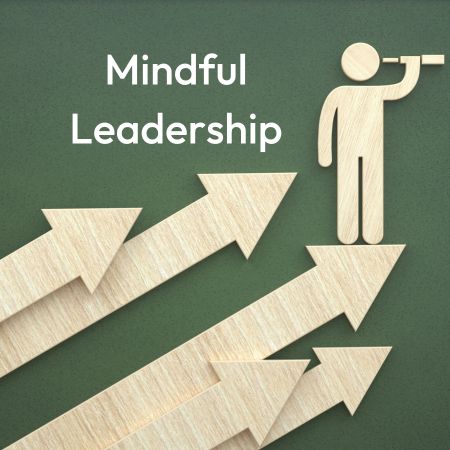
Embracing Mindfulness: The Cornerstone of Effective Leadership

Modern life has been defined by a steady stream of distractions that can impair productivity and cause us to lose focus on what really matters– from the never-ending alerts on our smartphones to the never-ending onslaught of emails and appointments. Keeping focused and engaged is more difficult than ever at a time when information overload and shorter attention spans are the norm. This has become more evident in the leadership domain, where promoting an innovative culture and bringing about significant change depend heavily on one’s capacity to remain focused and in the moment.

In today’s fast-paced world, there has never been a greater need for effective leadership. In the classroom, in the boardroom, or in the community, leaders must navigate difficult situations while motivating and inspiring those around them. But within the confusion and demands of life, mindfulness in leadership is a crucial quality that seems to be frequently overlooked.

The foundation of good leadership is mindfulness, which is frequently connected to spirituality and meditation.

“Mindfulness is the simple process of noticing new things about the familiar. When we notice actively, we become sensitive to perspective and change.”

Ellen Langer, Harvard professor of Psychology 

It involves accepting oneself, one’s ideas, feelings, and environment, as well as being completely present and involved in the here and now. Although mindfulness may seem like a straightforward idea, it may have a significant influence on a leader’s capacity to make wise decisions, develop deep connections, and create a healthy work environment.

Fundamentally, mindfulness enables leaders to cultivate self-awareness– which is an essential quality of successful leadership. Leaders are able to make more deliberate decisions and better control their impulses by developing an awareness of their own thoughts, feelings, and behaviors as opposed to responding rashly to circumstances. In addition to promoting personal development, this self-awareness helps leaders build empathy for others, which in turn promotes a cooperative and understanding culture within their teams.

Mindfulness also gives leaders the strength they need to face uncertainty and hardship. In the a turbulent and unpredictable environment, leaders frequently encounter unforeseen difficulties and setbacks. Leaders can cultivate mental toughness to maintain composure under duress, adjust to change, and endure hardship by engaging in mindfulness practices. Leaders that possess resilience not only instill confidence in their teams but also provide an example for others to follow, exemplifying the value of remaining composed and clear-headed under difficult situations.

Additionally, practicing mindfulness improves a leader’s capacity for genuine connection-making and successful communication with their staff. Leaders may cultivate trust and rapport with their team members by exhibiting real interest and empathy during encounters, if they are totally present and attentive. In the end, this genuine and open communication is able to foster a positive work atmosphere where team members feel appreciated and free to share their thoughts and viewpoints, which stimulates innovation and creativity inside the company.

Apart from enhancing social skills, mindfulness also helps leaders make strategic decisions and think strategically. Leaders who practice mental clarity and focus are able to see beyond the current difficulties and formulate long-term goals and objectives. With this strategic viewpoint, executives can make well-informed decisions that support the mission and core values of the company, resulting in long-term success and development.

Mindfulness also empowers leaders to adopt a servant leadership style that puts their team members’ growth and well-being first. Leaders may enable their people to flourish both personally and professionally by cultivating a culture of mindfulness inside their businesses. This improves employee retention and happiness while also helping businesses draw in top talent and stay competitive in the fast-paced job market of today.

Although it seems to be one of the latest buzzwords, mindfulness is not merely a fad. It has been found to be an essential part of effective leadership in the twenty-first century.

Leaders may acquire the self-awareness, resilience, communication abilities, and strategic thinking necessary to successfully traverse the complicated and constantly changing world of today by practicing mindfulness. Leaders who practice mindfulness are better equipped to empower their staff, create genuine connections, and promote long-term success and growth in their companies. Adopting mindfulness is advantageous for leaders as individuals as well as crucial for developing a culture of good and influential leadership that encourages and facilitates others in realizing their own potential. 

References:

Categories
Blog Thrive at Work

Cultivating Mentoring Relationships for Psychotherapists

“It’s important that you feel held.” These words of my clinical supervisor echo in my mind whenever I am in a helping process with someone in distress. And rightly so, for I received those words when I myself was going through distress – managing my first complex case as a starting psychotherapist. My client that time just experienced a terrible trauma and attempted suicide. They survived, thankfully, but I remember feeling overwhelmed, distressed over my client’s safety, and doubtful of my own efficacy. My clinical supervisor made space for me to share my inner process of working with this client; listening attentively, guiding with reflective questions, and, when necessary, sharing advice and her own experience as a beginning therapist. It was her generous sharing of both her technical expertise and compassionate presence that enabled me to replenish my reserves to support my client. Eventually, my client was able to find her path towards safety and thriving; and I also grew to be more competent and confident in my skills. That space became my concrete experience of the parallel process in therapy work; being made to feel held so that one can, in turn, also cultivate a safe holding space with clients and colleagues.

Beyond a space to experience the parallel process in therapy work, having mentoring relationships has been found to positively impact both the professional and personal life of a clinician. Mentoring is defined as “a personal and reciprocal relationship in which a more experienced professional acts as a guide, role model, teacher, and sponsor of a less experienced professional” (Johnson, 2017). Benefits of having a network of mentoring relationships include strengthening one’s clinical competence, self-confidence, and self-identity as a clinician, connections, and career opportunities. Studies show that those who receive mentoring tend to feel more committed to their profession, accelerate their professional development, access more opportunities, and may even earn more than those not receiving mentoring. In the sometimes isolating and emotionally taxing context of therapy work, being connected to a “constellation of mentors” can help nourish one’s socio-emotional well-being and replenish one’s compassion. And while getting a mentor can just happen organically, we can also be more intentional in cultivating our personal “board of mentors” with the following steps:

What is my personal and/or professional vision and mission? What are my values and goals? What skills, knowledge, or opportunities would support these? 

    Once these are clear, it’s easier to identify one’s mentoring needs. What kind of exposure, guidance, and role model would best support one’s goals? Mentoring relationships can range from more formal clinical supervision under structured training programs and academic mentoring, or more informal such as having coffee conversations with more proficient others. It can focus on seeking guidance regarding specific skills, current or future role, one’s profession. But it can also focus on non-work matters such as fitness, spirituality, financial proficiency, that support work-life balance and self-care. While early-career professionals profit the most from highly structured and technical supervision, mentoring relationships for mid-career professionals tend to grow less formal and more collegial peer coaching. These can be found in joining special interest organizations, networking with peers in events, or one’s informal network of professionals. Meanwhile, those in the advanced level of their career often take on the guiding role.

    While it may be daunting to proactively strike a relationship with a potential mentor, it can be affirming to know that mentoring relationships can also be rewarding for mentors. Evidence suggests that having mentees can feel fulfilling, generative, and re-energizing on the side of a more senior professional. Other challenges may be more logistical, such as challenges in availability, limited access to groups or programs providing mentoring, or limited local specialists in the area we would like to be mentored in. To these concerns, it may help to cast wide one’s net and list down all potential guides, as well as leveraging on technology and teleconferencing to access possible guides outside of one’s immediate location. Once the list is set, you can check out these tips and sample templates for reaching out to potential guides.

    Keeping the mentoring relationship warm and mutually rewarding is beneficial for all involved. In reality, many potential mentors already have busy schedules, so cultivating the attitude of a mentee that is a pleasure to guide and finding ways to contribute to a mentor’s goals can make the relationship more reciprocal. Mentors are found to gravitate towards a mentee who is proactive, strives for excellence, is open and responsive to feedback, collaborates with the mentor’s goals, and demonstrates commitment to growth.

    Concrete ways to keep the engagement productive and reciprocal may include preparing well for mentorship meetings, following through on one’s commitment, and determining what you can bring to the mentoring relationship. For more formal interactions, setting parameters on when to close the formal mentoring relationship (but keeping the connection open) would be helpful. The APA expounds more on guidelines for both mentors and mentees here

    To sum, cultivating mentoring relationships is beneficial across the arc of one’s professional development as a psychotherapist. To strengthen your constellation of guides, you can:

    • Reflect on your values and mentoring needs.
    • Reach out to potential guides.
    • Build a reciprocal relationship with them.

    If you’ve done all these and find yourself remembering a guide who made an impact on you in the past, this might be a good time to touch base with them again. Or perhaps consider paying it forward and becoming a mentor yourself.

    References:

    • American Psychological Association. (2012). Introduction to mentoring: A guide for mentors and mentees. Retrieved from https://www.apa.org/education-career/grad/mentoring
    • Phan, J. (2021, March 10). What’s the right way to find a mentor? Harvard Business Review. Retrieved from https://hbr.org/2021/03/whats-the-right-way-to-find-a-mentor
    • Johnson, W. B. (2017). Mentorship in the life and work of the private practitioner. In Handbook of Private Practice: Keys to Success for Mental Health Practitioners (2017th ed., pp. 222-234). Oxford University Press.
    Categories
    Blog

    Thoughts on Thinking

    “I think, therefore I am!” Ever since the renowned philosopher René Descartes introduced this concept, the paradigm of the world has shifted. Our thoughts are more than just the little voice in our heads that we hear when we read or think to ourselves. Some go as far as to suggest that one can simply put our mind over matter, or that our problems are all just in our heads. While this may sound invalidating to our subjective experiences, there is a sense of truth in it, as entire modalities in psychotherapy have anchored their effectiveness in addressing our thoughts. 

    Issues brought upon by our thoughts in daily living include how irrational thoughts, automatic negative thoughts, cognitive distortions, and the like can lead to ineffective behaviors that hinder us from truly living. Fast forward to today, I would playfully argue with Mr. Descartes that, thanks to him, we now live in a world where overthinking is rampant, we spend a lot of time in our heads, and how we often try to headbutt our way through life. 

    From philosophers to psychologists, let us take a look at modern perspectives about thoughts. 

    Photo credit: albanycounselingservices.com

    Fundamental to Cognitive Behavior Therapy (CBT) is the concept of the cognitive triangle. The cognitive triangle shows that our thoughts, feelings, and behaviors are all interconnected. Changing one of these parts can affect the others. Understanding this triangle can help us recognize patterns in our thinking, manage our emotions more effectively, and make positive changes in our behavior. While we may have limited control over what happens to us, we have more power to determine our lives when we focus on our patterns of thinking (Beal, 2023). 

    Delving deeper into this thought, we discover various patterns in thinking that have the potential to restrict us from fully experiencing life. These patterns, often observed and addressed by psychotherapists trained in Cognitive Behavioral Therapy (CBT), encompass a range of cognitive distortions, such as catastrophizing, black-and-white thinking, and overgeneralization to name a few. These distortions skew our perception of reality, which could lead to behaviors and emotions that are not based on reality. 

    Additionally, overthinking or rumination, characterized by repetitive thoughts, can consume our mental energy and hinder our ability to focus on the present moment. The Latin origin of the word “rumination” is “ruminatio,” derived from the Latin verb “ruminare,” which means “to chew over again” or “to ponder.” Similarly, irrational thoughts, fueled by unfounded fears or beliefs, can perpetuate negative self-talk and limit our confidence and potential for growth.

    Life offers many paradoxes, and finding the middle path is the main idea when it comes to Dialectical Thinking. This mindset of seeking balance in opposing truths is central to the practice of Dialectical Behavioral Therapy (DBT) and can be observed when we attempt to reconcile two seemingly contradictory beliefs. One particular dialectic that has personally helped me become more compassionate toward myself and others is the idea that we are all striving to do our best while simultaneously having room for improvement. One can imagine that the pressure of wanting to be the best can leave people feeling burnt out. Dialectical thinking reminds me that it’s acceptable to have expectations and standards for ourselves while also granting ourselves the compassion we deserve. 

    When it comes to our emotions, adopting the mindset of thinking “both-and” rather than “either-or” can help create more space to allow us to experience all of our feelings. Recognizing that we can feel both happy and sad, both love and hate someone, enables us to acknowledge and process emotions that we may initially resist. It’s normal to experience mixed emotions, and sometimes even seemingly contradictory emotions about the same thing. Through dialectical thinking, we can embrace the nuances and paradoxes of life, allowing for a richer and more authentic emotional experience. 

    When it comes to our thoughts, have you ever considered who is the thinker? We now know that thoughts are very powerful and faulty at the same time, it would be helpful to build a relationship with our thoughts that allows for more freedom and choice. One of the ways we can do that is through the practice of Cognitive Defusion

    We can do this by simply rephrasing our inner chatter and adding the statement of “I am noticing” to whatever thought or emotion you might be thinking or feeling. For example, when you catch yourself thinking about the uncertainties of the future, you might normally think to yourself, “I am worried about the future”. To create more space, you can change the thought to “I am noticing that I am thinking about the future.” 

    When we develop the ability to watch our thoughts and adopt the mindset of being the thinker of our thoughts, we can create space for us to choose how to proceed mindfully. It does not make the future any more or less certain, but at least we can give ourselves more freedom to choose how to proceed. Try it out and see how this feels for you! 

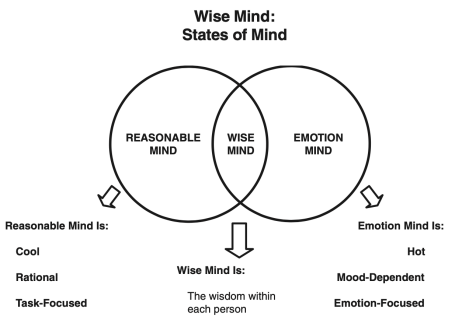
    Image from DBT® Skill Training Handouts and Worksheets by Marsha M. Linehan

    Another concept that can help us be more skillful in thinking is the concept of the wise mind. We may have heard about how we can be left-brain dominant (analytical) or right-brain dominant (creative). DBT introduces the concept of a balanced approach that integrates both types of brain function. This balanced state, known as the wise mind, encompasses the rational and analytical qualities of the left brain as well as the intuitive and creative aspects of the right brain.

    In the wise mind, individuals can draw upon both analytical reasoning and intuitive insights to navigate various situations and make informed decisions. It involves tapping into a deeper level of understanding that transcends mere logic or emotion, allowing for a more holistic and integrated approach to problem-solving and life in general. 

    As we delve into the intricate web of our thoughts, emotions, and behaviors, we have learned from Mr. Descartes that thinking is the way to go! While our thoughts hold sway over our perception of reality, as seen in the Cognitive Triangle, it becomes evident that there are limitations to our thoughts. From cognitive distortions to overthinking, it’s important for us to identify the shortcomings of our thoughts. While certain thoughts and feelings might initially seem contradictory or opposite, learning to rest in the reconciliation of such ideas can help create more space in our minds and hearts. It can be quite easy for us to overidentify with our thoughts, which is why it’s important to remember that we are not our thoughts and that we have power over these thoughts. Lastly, it is equally crucial to honor and acknowledge the wisdom of our emotions. Striking a harmonious balance between rational thought and heartfelt intuition is key to living in the wise mind. So again, to Mr. Descartes, 

    “I think and feel, therefore I am.” 

    Anonymous

    References:

    • Beal, D. G. (2023). Cognitive behavior therapy (CBT). Salem Press Encyclopedia of Health. 
    • Casabianca, S. S. (2022). Cognitive distortions: Negative thinking. PsychCentral. Retrieved from 
      https://psychcentral.com/lib/cognitive-distortions-negative-thinking#list-and-examples 
    • Codington-Lacerte, C. (2023). Acceptance and commitment therapy (ACT). Salem Press Encyclopedia. 
    • Linehan, M. M. (2015). DBT® skill training handouts and worksheets. Guilford Press. 
    • Moglia, P. (2023). Dialectical behavioral therapy (DBT). Salem Press Encyclopedia of Health.
    Categories
    Blog Everyday Thriving Wellbeing Practices

    New Year, New Me: How to (Actually) Stick to Your New Year’s Resolutions!

    As the holiday season approaches, many of us will start to reflect over the past 12 months and get excited about starting a new year. The start of a new year is a time filled with hope, optimism, and an eagerness to set new goals for ourselves. For many people, New Year’s resolutions symbolize a fresh start to be a better version of ourselves. Despite this being a longstanding tradition, as much as 80% of New Year’s resolutions fail or fall through after a few weeks into the year.

    With 2025 just around the corner, understanding why some resolutions fail and what works can help you *actually* stick to your New Year’s resolutions. 

    But first, why do so many New Year’s resolutions FAIL? 

    As mentioned earlier, the New Year represents a fresh start for many people. It’s a time filled with aspirations to be better and do the thing they’ve been thinking about doing for so long. Starting fresh also means closing a chapter from our past, whether it was good or bad.

    This ‘fresh start effect’ is actually a psychological phenomena that many people use to view new beginnings as motivation towards achieving their goals. It’s very similar to how we feel more motivated when we start a new job or how we would want to turn over a new leaf when entering a new school grade as kids. 

    While the concept of a fresh start is not a bad thing (it has its benefits!), it becomes a dangerous slope when we start to distance ourselves from our past failures and think that we can only improve when we start anew. It’s important to remind ourselves that this tradition of setting New Year’s resolutions is quite arbitrary. We can make goals and change at any point in our lives, and not just on January 1st. This thought is just one of a couple of reasons why people can quickly fall short on their New Year’s resolutions. Some others include:

    Something many people get wrong when setting goals for themselves is making them too big and unrealistic due to their eagerness to change. Making resolutions like “losing 15 kilograms in two months” or “working out everyday for a year” can set yourself up for failure. Rather than having goals that are achievable, the extensive effort needed to attain an overly ambitious goal may lead to demotivation and burnout.

    While it’s common to have different motivations for a resolution, it’s important to realize the reasons behind these motivations. If our resolutions are driven by extrinsic or external motivations, such as societal expectations or peer pressure, rather than by a genuine desire to change for ourselves, then it’ll be more difficult to sustain the motivation as time passes.  

    Sometimes, our biggest challenges when working towards goals are our own irrational or negative thoughts. Common cognitive distortions that get in the way of goal-directed behavior are when we engage in “all-or-nothing” thinking or make “should statements”. The rigidity in these cognitions makes it difficult for us to accept human error or mistakes. For instance, if your goal is to exercise daily and you miss one day, you might feel like you’ve failed and want to abandon the goal altogether. This mindset can undermine your progress and lead to lower self-esteem.

    How to make better goals and stick to your resolutions:  

    While it may seem daunting to set resolutions and stick to them, approaching your goals with careful planning, self-awareness, and self-compassion may help you feel more supported and excited about them. As we prepare to make our New Year’s resolutions, try the following tips to help you create sustainable and attainable resolutions. 

    Before setting any goal, ask yourself why you want to make this change in the first place. Aligning the goals with your own personal values and priorities in life may help you to stay committed to them. It’s also important to evaluate if you are emotionally and mentally prepared to make these changes. Studies have shown that readiness to change and self-efficacy positively predict successful outcomes. Without the emotional readiness for these goals, change can be taxing and relapse is likely. 

    Vague resolutions like “lose weight” or “be happier” are hard to achieve because they lack clear direction. Instead, create specific and measurable goals that have a call to action. For example, instead of “lose weight,” you can aim to “go to yoga class once a week” or “run 10 kilometers in under an hour.” Rather than “be happy,” try reflecting on what contributes to your happiness, such as “have dinner with my parents twice a week” or “go on a date with myself once a month.” Specific goals take away from the ambiguity and make it easier to assess progress.

    While it’s great to have grit and perseverance for growth, it’s equally important to be realistic about your time, energy, and limitations. Take into consideration your routine and other commitments, like work, school, or family and friends, and avoid spreading yourself too thin with too many goals or resolutions that are too big. 

    Know that the process will not be easy. Being kind to yourself when you stumble is crucial. Try to engage in self-awareness when you are having irrational thoughts or cognitive distortions. Instead of thinking of success and failure, adopt a more flexible approach to any setbacks that come your way.

    Self-compassion involves recognizing that everyone makes mistakes and that it’s okay to take a break and recalibrate yourself. Practicing self-compassion exercises can help reduce feelings of guilt or inadequacy, which in turn fosters resilience and encourages you to get back on track.

    Regularly checking-in with yourself by incorporating mindfulness practices can help you stay attuned to your goals and aware of your own thoughts and feelings towards them. Mindfulness also encourages you to be patient with yourself and your journey. Reflect on the process and how far you’ve come with reflective questions like, “How do I feel about my progress so far and where I’m at right now?” and “What can I do to improve?” 

    Having a support system can be a powerful tool when working toward your goals. Whether it’s a friend, family member, or therapist, having someone to hold you accountable and offer encouragement can make a significant difference. You might even consider having a “goal partner” who is working toward a similar resolution, providing mutual support and accountability.

    What happens when things don’t go according to plan? 

    Despite your best efforts, things may not always go according to plan. Practicing radical acceptance, a distress tolerance skill, will be vital if this time comes. Radical acceptance involves accepting reality as it is without judgment. If you break your resolution, it doesn’t mean you’ve failed or that you can’t change. You can always return to your goal after a setback. Moreover, remember that we can make goals and change at any point in our lives and that resolutions are not tied to the beginning of the year. Every day that we get is an opportunity for our growth. 

    Setting and sticking to New Year’s resolutions can be tricky, but with the right mindset and approach, it’s within all of us to create lasting change. By setting realistic and meaningful goals and embracing flexible thinking, self-compassion, and self-awareness, you can fulfill that New Year’s resolution and prove that the new year can still be a time of hope and excitement.

    References:

    Categories
    Blog Everyday Thriving

    My Idea of a Compassionate Christmas…♫: Celebrating the Holidays amidst Adversities

    The onset of popular Christmas songs tells us that connecting with our loved ones brings

    happy memories and joy amidst the holiday rush. 

    However, for some of us dealing with mental health challenges and difficult situations, Christmas songs and the concept of celebrating the holidays can bring painful emotions. We may be uncomfortable when pressured to “pretend” or appear happy and embrace the festive spirit. We may even feel difficult emotions such as guilt and shame when we have to prioritize ourselves and our mental health. Some of us may be dealing with loss, being away from loved ones, conflicts in relationships, and daily challenges such as financial and physical stress.

    For students, additional stress and anxiety could mean abrupt or difficult changes in routine, navigating family dynamics and expectations to “perform” for others, and sometimes having to share academic achievements and deal with comparisons. 

    For adults, parents, and employees alike, this could mean additional responsibilities that can increase physical, emotional, and mental exhaustion while managing conflicting feelings. 

    Hence, preventing burnout and finding your balance from the push and pull of the holidays is significant. We can harness our inner strength of Self-compassion to build our resilience and moments of joy during the holidays. According to Kristin Neff, this means (1) treating ourselves with kindness despite the painful emotions we may be going through, (2) having a sense of common humanity in our struggles, and (3) practicing mindfulness while seeing our experiences from a compassionate and balanced perspective. 

    Research shows that practicing self-compassion and healthy emotional boundaries increases emotion regulation and well-being, which helps us genuinely connect with family and friends during the holidays. 

    Here are 5 tips to celebrate this holiday season with self-compassion:

    Acknowledge your feelings with kindness and curiosity. Treat yourself with compassion and understanding when holiday activities prompt difficult and painful feelings. Start by observing, describing, and participating in your emotions without judgment and pressure to “pretend” otherwise. Remember that feelings and emotions come and go, and it is a natural human experience to feel these in light of the challenges that you may be going through. Recognize the pattern that starts to emerge when you are beginning to react. Instead, respond to your emotions with awareness and self-validation: 

    ● “It makes sense that I am feeling this way.”

    ● “It makes sense that I am feeling different than others may expect me to, and that is okay.” 

    ● “I am not my emotions. My emotions come and go. It does not define me. I can cope.” 

    We can be there for ourselves by practicing mindfulness of our emotions and body sensations to create a sense of safety amidst the holiday stress and pressures. This also helps in modeling emotion regulation to others. When feeling overwhelmed, practice self-soothing techniques, such as breathing and emotional grounding exercises, to return to the present moment. Self-compassion means treating ourselves as a friend in stressful times. Part of this intention is to care for ourselves and accept our emotional experiences as they happen. 

    ● Pause and take a self-compassion break. 

    ● Practice deep and affectionate breathing exercises. 

    ● Practice Loving-Kindness Meditation. 

    To understand our comfort level and build moments of joy, evaluate what’s important to you and your mental health. Do things mindfully and one at a time. Manage your expectations. It is okay to delegate or ask for help. Keep the holidays in perspective and set boundaries to balance your to-do lists and emotional needs. Putting our priorities into action and communicating them means taking care of ourselves first and managing our capacity to care for others. 

    ● Start by writing a list of what truly matters to you and your intentions (“What I am going to do” and “What I am not going to do”). 

    ● Know your limitations and practice radical acceptance to enhance self-compassion when learning to delegate and saying “no.” 

    ● Remember that you can step back when you need to by being mindful of your expectations and limitations.

    Step back from self-judgment and notice negative self-talk. Talk to your critical voice as if talking to a friend. Soften your critical voice by responding with kindness and compassion. Be curious and respond with a reassuring and loving tone. Show physical kindness and warmth to yourself by practicing compassionate self-hug and reframing through compassionate self-talk. 

    ● Ask yourself: “What are my emotions trying to tell me right now?” 

    ● “It makes sense that you are worried about me. You want to look out for me but are taking a harsh approach. Could you let my inner compassionate self say a few words now?”

    We are not alone in experiencing painful emotions during the most joyous time of the year. Feelings of sadness, loneliness, frustration, and even anger are a part of human nature that everybody goes through at some point in our lives, and they can happen even during the holidays. Reminding ourselves that we are a part of a community may help lessen our tendency to withdraw and self-isolate. When we are compassionate to ourselves and others, we can also be more authentic and confident in participating in holiday activities. 

    ● Seek out or stay in therapy for additional support. 

    ● Reach out to a friend or your loved ones and specifically connect with supportive individuals within your circle. 

    ● Interact with others and in holiday events positively and within your set boundaries. ● Volunteer to engage your empathic nature and enhance your mood with positive actions. 

    ● Join support groups that help you increase your sense of community with others. 

    Remember that finding balance in celebrating despite adversities encourages us to respect our feelings while enjoying what we value during the holidays. We can find gratitude in small things and embody a gentle and compassionate holiday.

    Sources:

    • American Psychological Association. (2023, November 30). Tips for parents on managing holiday stress. https://www.apa.org/topics/parenting/holiday
    • American Psychological Association. (2023, November 30). Holidays don’t have to mean excess stress. It’s time to reframe your thoughts.
    • https://www.nationwidechildrens.org/family-resources-education/700childrens/202 3/12/how-adults-can-help-children-prevent-and-decompress-from-holiday-stress ● Hendel, H.J. (2020, November 25). Surviving painful holiday emotions. National Alliance on Mental Illness.
    • https://www.nami.org/blog-post/surviving-painful-holiday-emotions/
    • Mutz, M. (2016). Christmas and subjective well-being: A research note. Applied Research in Quality of Life, 11(4), 1341–1356. https://doi.org/10.1007/s11482-015-9441-8
    • Neff, K. (2003). Self-Compassion: An Alternative Conceptualization of a Healthy Attitude Toward Oneself. Self and Identity, 2(2), 85–101.
    • Páez, D., Bilbao, M. Á., Bobowik, M., Campos, M., & Basabe, N. (2011). Merry Christmas and Happy New Year! The impact of Christmas rituals on subjective well-being and family’s emotional climate. International Journal of Social Psychology, 26(3), 373–386.
    • Velamoor, V., Voruganti, L., & Nadkarni, N. (1999). Feelings about Christmas, as Reported by Psychiatric Emergency Patients. Social Behavior & Personality: An International Journal, 27(3), 303–308

    Categories
    Blog Everyday Thriving General Thrive at Work Thrive in School

    ADHD Diagnosis: Complexities and Caveats

    The Philippines has made significant strides in mental health awareness, thanks to professionals, advocates, and service users’ efforts. Initiatives such as the Philippine Mental Health Act (R.A. 11036) and the recognition of the rights of psychosocial disabilities under the Magna Carta for Disabled Persons (R.A. 7277) have played pivotal roles in this progress. Advocacy groups are also pushing for legislation like the Neurodivergent People’s Rights Act (H.B. 9787).

    Despite these advancements, stigma and misunderstanding surround neurodevelopmental disorders, particularly Attention Deficit Hyperactivity Disorder (ADHD). This is a developmental disorder characterized by patterns of hyperactivity, inattention, or a combination of the two. A diagnosis is given based on the severity of symptoms, level of impairment, and the presence of symptoms since childhood. Globally, ADHD affects 5-7.2% of youth and 2.5-6.7% of adults ,,; but Philippine figures are unfortunately scarce and outdated.

    Consider a young boy in his Grade 1 classroom, labeled as “makulit,” “pasaway,” and even “bad,” while he struggles with symptoms of ADHD that go unrecognized. Similarly, imagine a woman in a bustling high-rise building, where her difficulties staying organized lead to exclusion from important email correspondences and social gatherings, all because her colleagues are unaware of her ADHD diagnosis.

    Recognizing ADHD as a genuine challenge and not a character flaw, is vital for supporting individuals and dispelling misconceptions.This condition, when properly diagnosed, can be life-saving, paving the way for individuals to alleviate suffering and reclaim their power. But however well-intentioned, there is still a risk of overdiagnosis- an issue that is particularly prevalent in the realm of ADHD, but also within the realm of mental health diagnoses at large. Overdiagnosis can occur due to various factors, ranging from clinician practices to caregiver influences, but this often looks like overprescription of medications and unnecessary interventions. In the case of ADHD, changes in criteria in the

    Diagnostic and Statistical Manual of Mental Disorders between its fourth and fifth editions have contributed to this concern- it added examples of symptoms seen in adolescents and adults, lessened impairment criteria, and revised the age of onset.

    We must also remember that for children, a certain level of kulit is normal and developmentally appropriate. It is a quintessential part of childhood, after all — to dash around, create chaos, and indulge in one’s imagination. However, what distinguishes ADHD diagnosis is the severity and persistence of symptoms over time to the point that there is impairment.

    Context also may play a role in facilitating overdiagnoses and misdiagnoses. While legislative progress and heightened awareness have improved access to care, our “digital by default” age has introduced new challenges, further complicating the diagnostic process for mental health disorders. For example, during the pandemic, the proliferation of misleading TikTok videos about ADHD posed a significant risk, as many individuals were facing attention challenges. A study revealed that over half of these videos were misleading, with non-healthcare professionals being the primary uploaders, potentially leading to widespread misinformation and self-diagnosis among their viewers.

    On the other hand, many individuals may go undiagnosed until much later, their struggles well-masked by societal expectations and coping mechanisms. There exist gendered differences in the diagnosis of ADHD: boys are significantly more diagnosed with ADHD compared to girls due to differences in presentation. Girls with ADHD often exhibit the inattentive type, which may not manifest as disruptive behavior and consequently may be overlooked for treatment unless their symptoms significantly impact their daily functioning.

    And with any diagnosis, whether physical or not, early intervention is crucial. Effective treatment during childhood can significantly improve symptoms and overall functioning, leading to better outcomes. Unfortunately, if left untreated until adulthood, ADHD can result in chaotic lifestyles, other co-occurring mental disorders, and challenges in various aspects of life.

    The journey towards an ADHD diagnosis can be unexpectedly complex. For individuals who resonate with ADHD symptoms, every step of the way demands cautious decision-making. It is crucial to be discerning with the information you consume and the healthcare providers that you trust. Ensure that they are equally diligent.

    Self-reflection is also essential. Clarify your “why” behind seeking a diagnosis—It could be that receiving ADHD treatment might help you lead a much more fulfilling life. It could also be that you want relief from years of overcompensation. Whatever your “why” is, seeking a comprehensive assessment is essential in this process to tailor-fit treatment to your unique brain. It is not a one-size-fits-all diagnosis, however general the diagnostic manual may make it appear to be; a detailed picture of how your mind works, pinpointing your strengths and challenges, will help specify what you need.

    Seeking consultations from various professionals, such as clinical psychologists and psychiatrists, can offer valuable insights and interventions for managing ADHD. Therapy is a crucial component of tailored interventions—it provides individuals with a safe space to learn more about themselves, as well as equips them with essential skills and strategies to cope with their symptoms. Additionally, executive function coaching can further empower individuals with ADHD to navigate daily challenges effectively and achieve their goals. Executive function coaching focuses on enhancing skills like organization, time management, and task prioritization- these are skills that are often affected by ADHD symptoms. By addressing these areas, your quality of life may be significantly enhanced.

    Despite the leaps and bounds in mental health perceptions, access, and service delivery, there is still much work to be done. Whether for ourselves or others, there is no time like the present to advocate for better education on mental health concerns like ADHD. Indeed, it is an ongoing journey to challenge misconceptions, develop discernment, and embrace the complexities of these issues. However, it is essential to see the merit in all this effort, to recognize that finally receiving the proper help can save lives. By advocating for improved access to accurate diagnosis and comprehensive treatment, we can empower individuals with ADHD to finally thrive in their communities.

    For Executive Functioning (EF) coaching and other clinical services, contact us at clinic@wethriveinc.com.

    Sources:

    https://lawphil.net/statutes/repacts/ra2018/ra_11036_2018.html
    http://hrlibrary.umn.edu/research/Philippines/RA%207277%20-%20Magna%20Carta%20of%20Disabled%20Persons.pdf
    https://hrep-website.s3.ap-southeast-1.amazonaws.com/legisdocs/basic_19/HB09787.pdf
    Posner J, Polanczyk GV, Sonuga-Barke E. Attention-deficit hyperactivity disorder. Lancet. 2020;395(10222):450–462. doi: 10.1016/S0140-6736(19)33004-1.
     Song P, Zha M, Yang Q, Zhang Y, Li X, Rudan I. The prevalence of adult attention-deficit hyperactivity disorder: A global systematic review and meta-analysis. Journal of Global Health. 2021;11:04009. doi: 10.7189/jogh.11.04009.
    Thomas R, Sanders S, Doust J, Beller E, Glasziou P. Prevalence of attention-deficit/hyperactivity disorder: a systematic review and metaanalysis. Pediatrics. 2015;135(4):e994–e1001. doi: 10.1542/peds.2014-3482.
     Merten, E. C., Cwik, J. C., Margraf, J., & Schneider, S. (2017). Overdiagnosis of mental disorders in children and adolescents (in developed countries). Child and adolescent psychiatry and mental health, 11, 1-11.
    Substance Abuse and Mental Health Services Administration. DSM-5 Changes: Implications for Child Serious Emotional Disturbance [Internet]. Rockville (MD): Substance Abuse and Mental Health Services Administration (US); 2016 Jun. Table 7, DSM-IV to DSM-5 Attention-Deficit/Hyperactivity Disorder Comparison. Available from: https://www.ncbi.nlm.nih.gov/books/NBK519712/table/ch3.t3/ 
    American Psychiatric Association. (2022). Neurodevelopmental disorders. In Diagnostic and statistical manual of mental disorders (5th ed., text rev.).
    Yeung, A., Ng, E., & Abi-Jaoude, E. (2022). TikTok and attention-deficit/hyperactivity disorder: a cross-sectional study of social media content quality. The Canadian Journal of Psychiatry, 67(12), 899-906.
    Bruchmüller, K., Margraf, J., & Schneider, S. (2012). Is ADHD diagnosed in accord with diagnostic criteria? Overdiagnosis and influence of client gender on diagnosis. Journal of Consulting and Clinical Psychology, 80(1), 128–138. https://doi.org/10.1037/a0026582 
     Ginsberg, Y., Quintero, J., Anand, E., Casillas, M., & Upadhyaya, H. P. (2014). Underdiagnosis of attention-deficit/hyperactivity disorder in adult patients: a review of the literature. The primary care companion for CNS disorders, 16(3), 23591.

    Categories
    Blog Everyday Thriving Thrive at Work

    Why Can’t We Be Friends?: Why it’s hard for adults to make friends and why we should do it anyway

    It was a love-hate relationship in a stressful, high-demand working environment.

    I met Gen, a highly regarded business partner in human resources while I was her new vendor relationship manager, eager to earn my stripes.  In the workplace, measuring each other up can be quite a common phenomenon, and we held each other with a ton of accountability.  A few months down the road and we were regularly going on coffee runs, having lunch dates and laughing about things work and non-work.

    This was several years ago and a few employers then after.  We’ve seen each other four times since. We are “friends”, but not quite.  We keep trying but life gets in the way. She would send me a voice message of her singing that 70’s punk song “Why can’t we be friends?” whenever our schedules to meet up don’t match.  Our story is not unusual. 

    Having recently encountered big life events, such as moving cities and getting married, I can’t help but realize how I’ve neglected to restock my circle of friends. In adulthood, plenty of people enter our lives, but to have actual close friends – the kind you can call in a crisis, those can come in shorter supply.  I got to wondering, what complicates adult friendships?

    1. Time constraints: As adults, we often have numerous responsibilities such as work, family, and personal commitments. Finding time to nurture friendships can become increasingly difficult, especially if friends have conflicting schedules or live far apart.
    2. Life transitions and different life stages: Adults undergo various life transitions such as moving to new cities, changing jobs, getting married, or having children. These transitions can impact friendships as priorities shift and lifestyles diverge. Not all adults are at the same stage in life. Some may be focused on advancing their careers, while others may be starting families or exploring new interests. These differences can lead to disparities in values, priorities, and available time for socializing.
    3. Trust and vulnerability: Building deep, meaningful friendships requires trust and vulnerability. However, past experiences, disappointments, or betrayals may make adults more guarded and cautious about opening up to new friends or maintaining existing relationships.
    4. Limited social circles: Unlike childhood or adolescence, where social circles are often abundant and easily accessible, adults may find themselves with fewer opportunities to meet new people and expand their social networks, especially if they lead busy or isolated lives.

    Today, with hybrid online work spaces, freelancing and the gig economy on the rise, it’s becoming harder to recreate the structure and conditions that sociologists have considered as important ingredients to making close friends: repeated and unplanned interactions, proximity and an environment for people to confide in each other.  

    I wish it was easier like before, but if you are waiting for things to happen organically, then you may have to be ready to wait for a long while.

    I can understand why most people don’t find this as an urgent need or even a crisis – friendship.  There’s a certain hierarchy that culture puts on romantic love or familial love leaving platonic love and friendships at the bottom. Yet our bodies have always craved for a sense of resonance and communion with others. Recent studies on loneliness can certainly agree.

    A paper published in the Nature Human Behavior journal suggests people who dealt with social isolation had a 32% higher risk of dying early from any cause compared with individuals who weren’t socially isolated. The paper was a meta-analyses of 90 studies on the connection between loneliness, social isolation, and early death among over 2 million adults.  The World Health Organization has even launched a commission that would put loneliness at the top of its global public health priorities from 2024 to 2026.

    Now one might think loneliness would not be such a major concern for our country yet because our culture and values compel us to keep in constant touch with our social networks or take responsibility within our family systems. Besides, Filipinos are generally known to be friendly and cheerful, right? Surprisingly, a survey in October of 2023 by Meta and Gallup found that the Philippines is one of the countries with high levels of self-reported loneliness, with 57% of Filipinos saying they are feeling lonely compared to a worldwide average of 24%. 

    In general, adult friendship was found to predict or at least be positively correlated with wellbeing and its components (Pezirkianidis et al., 2023). In particular, the results showed that friendship quality and socializing with friends predict wellbeing levels.  

    Psychologist and author of the book Platonic, Dr. Marisa Franco suggests there are two main reasons why we likely devalue the need to make friends as adults.  First of all, she mentions the paradox of people.  While being around other people has all kinds of benefits, people can also be scary – they can be hurtful and they can reject us. Second of all, not many us know how to make friends!

    Making new friends and cultivating friendships as an adult can indeed be challenging, but it’s certainly possible with some effort and intentionality. So here are a few tips:

    Don’t wait for others to initiate plans. Be proactive in reaching out to acquaintances or colleagues to suggest grabbing coffee, attending an event together, or simply catching up.

    Be open to forming friendships with people from different backgrounds, ages, or walks of life. Diversity enriches our lives and provides opportunities for learning and growth.

    Cultivate active listening skills and show genuine interest in others. Ask open-ended questions, offer support and encouragement, and remember details from previous conversations to demonstrate that you value the relationship.

    Don’t neglect the friendships you already have. Make time to connect with existing friends, whether through regular meetups, phone calls, or virtual hangouts.

    Attend classes, workshops, and join meet-ups with like-minded individuals. Enroll in classes related to your personal or professional development. These settings can provide opportunities for meaningful interactions.

    Building genuine friendships takes time and effort. Don’t get discouraged if it doesn’t happen overnight. Keep putting yourself out there and be patient as you develop new connections.

    By incorporating these strategies in seeking out new connections, you may just increase your chances of making meaningful friendships as an adult.

    I am also keeping in mind that for friendship to happen, one needs to be brave. We have to believe we are likeable and lean into the parts of ourselves that simply want to connect.

    References:

    • Wang, F., Gao, Y., Han, Z. et al. A systematic review and meta-analysis of 90 cohort studies of social isolation, loneliness and mortality. Nat Hum Behav 7, 1307–1319 (2023). https://doi.org/10.1038/s41562-023-01617-6
    • https://www.who.int/news/item/15-11-2023-who-launches-commission-to-foster-social-connection
    • Pezirkianidis C, Christopoulou M, Galanaki E, Kounenou K, Karakasidou E, Lekka D, Kalamatianos A, Stalikas A. Exploring friendship quality and the practice of savoring in relation to the wellbeing of Greek adults. Front Psychol. 2023 Oct 6;14:1253352. doi: 10.3389/fpsyg.2023.1253352. PMID: 37868602; PMCID: PMC10588444.
    • https://www.gmanetwork.com/news/lifestyle/content/887116/57-of-pinoys-self-reported-feeling-lonely-survey/story/
    • Marisa G. Franco, P. (2022). Platonic: How the Science of Attachment Can Help You Make—and Keep—Friends. Unabridged Books on Tape.