
Categories
Blog Everyday Thriving General Wellbeing Practices

That’s Cringe! What It Means, Why We Feel It, and How to Deal With It

Have you ever been hit by a sudden wave of secondhand embarrassment? That gut-wrenching

feeling that makes you squirm, shift uncomfortably, or even physically recoil, all because you just saw someone do something painfully awkward? Or maybe you remembered something embarrassing you did years ago, and suddenly you’re blushing all over again? That feeling is what we call “cringe.”

It’s a unique emotional response we get when we witness someone make a social blunder or a faux pas that jeopardizes their social image or even ours, even if it’s not happening to us directly or right now (Escoe et al., 2024). It also happens when someone tries to make a good impression but completely messes it up in a way that’s hard to ignore.

According to research, cringe is a vicarious emotional reaction. That means it happens when we witness someone break social norms or mess up their social “integrity” (Mayer et al., 2021). The interesting part is that these social transgressions are usually trivial and pretty harmless. They don’t have serious moral consequences, and sometimes they even make us laugh.

Physically, cringe can show up in a bunch of different ways. Maybe you flush or scrunch up your face. You might squirm in your seat, cover your mouth, or even shout “eww!” Some people break into a sweat or get goosebumps. Your face might feel hot, and your whole body reacts, even when your brain logically knows it’s not you in that awkward moment. 

That reaction? That’s cringe.

Now, to make it clear, cringe isn’t quite the same as embarrassment. Embarrassment is something we feel about ourselves when we mess up socially, especially if others see it. Think about waving back at someone who wasn’t waving at you, or accidentally calling your teacher “mom.” It’s sort of like an instant feeling of awkwardness that is personal.

Cringe, on the other hand, is more like secondhand embarrassment. It’s what we feel when someone else does something awkward or socially uncomfortable. Like watching a person try way too hard to seem cool in front of new people, or the classic example of someone pulling out a wedgie in public. It’s awkward, it’s uncomfortable, and it makes you squirm just watching it. What’s even funnier (or more painful) is that we can also cringe at ourselves, like remembering something cringey we did years ago and feeling all those feelings all over again.

Well, humans are inherently social creatures. We share emotions, we try to figure out what others are thinking, and we quickly learn what kind of behavior leads to embarrassment or shame. Since belonging is a basic survival instinct, we naturally avoid things that might make us look weird, awkward, or unacceptable to others.

When we see someone break a social rule, or suddenly remember an embarrassing moment of our own, our brain treats it like a social threat. That’s why we squirm, look away, or get that full-body “eugh” feeling. It’s basically our brain trying to protect us from experiencing the same awkwardness firsthand.

A more neurological explanation could be that certain parts of the brain, like the anterior insula, which helps us process self-conscious emotions like embarrassment, are closely connected to the amygdala, our brain’s “emotion center”. When these two areas work together, they help explain pain empathy, or that feeling we get when we experience someone else’s pain or embarrassment, almost as if it were our own (Paulus et al., 2014).

Surprisingly, cringe doesn’t just make us uncomfortable, it also makes us want to talk about it.  Sharing cringeworthy moments can actually make us feel better, because it gives us a chance to compare ourselves to the person who messed up… and feel a little more socially competent in the process (Escoe et al., 2024).

It’s like saying, “At least I’m not that awkward!” and that makes us feel better about ourselves.

Although cringe is not the most comfortable feeling, it is a normal reaction that we all experience. It is unavoidable, but what we can do is to handle it with grace, or even a little humor.

Here are some ways to handle that awkward feeling:

  1. Pause, breathe: When you witness something awkward that catches you off-guard. Pause, let yourself be shocked or embarrassed, but don’t forget to breathe and let the awkwardness float away.
  2. Shift your focus: Instead of dwelling on the cringe, check your phone, chat with a friend, or think about something else. 
  3. Remember, it’s not always serious. Everyone’s got a “wait, did I really just do that?” moment, and most cringeworthy moments are harmless. But it’s honestly funny looking back, and can even turn into funny stories later.
  4. Practice empathy. Put yourself in their shoes. Think about how the other person might be feeling. Chances are, the person who made the cringe move feels just as awkward. Cut them some slack– we all mess up sometimes, or even give them a mental high-five for bravery.
  5. Find the humor (but keep it kind). Sometimes the best cure is a little giggle. Like when someone pulls a wedgie in public… Yeah, awkward, but hey, life’s too short not to laugh a little.

At the end of the day, cringe is part of being human. Awkward moments happen to the rest of us, but they do not last forever. The key is to be kind and not to take these moments too seriously– sometimes, they even make life more interesting.

References:

  • Escoe, B., Martin, N. S., & Salerno, A. (2024). EXPRESS: That’s So Cringeworthy! Understanding What Cringe Is and Why We Want to Share It. Journal of Marketing Research. https://doi.org/10.1177/00222437241305104
  • Mayer, A. V., Paulus, F. M., & Krach, S. (2021). A Psychological Perspective on Vicarious Embarrassment and Shame in the Context of Cringe Humor. Humanities, 10(4), 110. https://doi.org/10.3390/h10040110
  • Paulus, F. M., Müller-Pinzler, L., Jansen, A., Gazzola, V., & Krach, S. (2014). Mentalizing and the Role of the Posterior Superior Temporal Sulcus in Sharing Others Embarrassment. Cerebral Cortex, 25(8), 2065– 2075. doi: 10.1093/cercor/bhu011

Categories
Blog General

How to Pace Yourself During A Mental Rally

During the month of September, Filipinos across the country participated in university walkouts

and anti-corruption protests—not only to remember the past, but to confront the present in pursuit of a better future. Alongside the streets, voices resonated in the digital universe through trending hashtags like #NeverAgain and #EndCorruption, proving that activism today unfolds both on the ground and online. After all, rallies are not merely physical and political movements; they are also psychological experiences shaped by emotion and identity. With this heightened visibility comes a pressing question: how can individuals express themselves with passion while maintaining boundaries that safeguard their mental health?

The recent movements of activism have also highlighted social media’s risks. What begins as a simple click to reply or comment can quickly spiral into heated exchanges, especially when opposing sides clash in public threads. Excessive social media use could also contribute to heightened stress, exposure to misinformation, and even addictive consumption patterns that make it difficult for individuals to step back and recharge.

This dynamic was clearly visible across the nation. Newsfeeds were flooded not only with solidarity posts and live updates from students walking out of their classrooms, but also with misinformation campaigns that sought to discredit activists and trivialize their concerns. At the same time, continuous live streams of Senate and House hearings gave the public a sense of real-time involvement, yet they also encouraged marathon viewing and constant commentary. For many, the attempt to keep up with every update—every tweet, livestream, and headline—became mentally draining, producing more fatigue than clarity.

Social media mobilizes students, creates visibility, and sparks public discourse, but without balance it can also leave individuals overwhelmed, disillusioned, or even disengaged. When every notification feels urgent and every online debate demands a response, the mind loses the breathing room it needs to process, reflect, and recover. This is why social media care is not a luxury—it is survival.

To sustain both the movement and the mental health of those actively involved, individuals can turn to wellness practices designed to transform digital activism from a source of exhaustion into a practice of empowerment.

This is where the concept of social media wellness becomes crucial. Filipino youth are becoming more conscious of the tension between digital empowerment and mental strain. The challenge is not to abandon platforms but to engage with them mindfully.

  1. Mindful Consumption – Being intentional about when and how much to scroll. Excessive online engagement through watching livestreams and prolonged periods of scrolling could leave you physically and mentally drained.
    • Avoiding late-night doomscrolling
    • Setting time limits for certain applications 
    • Turning off push notifications if necessary

This preserves mental clarity and helps us practice boundary-setting. Online feeds become a tool of learning rather than a source of stress. By curating both the time and type of content consumed, we are more likely to feel empowered rather than exhausted. 

  1. Constructive Engagement – Our online interactions also contribute to social media wellness. Negative encounters such as trolling, misinformation, or toxic debates could lead to higher psychological distress. When we choose to purposely engage online, we build digital spaces that nourish empowerment and solidarity amongst various communities. This involves choosing to:
    • Share verified information (e.g., check sources, prioritize official channels, cross-reference across different media outlets)
    • Amplify marginalized voices (e.g., credit actual source, share directly though reposts or quotes)
    • Foster respectful dialogue (e.g., use “I” statements, avoid trolls, discuss rather than provoke)
  2. Digital Rest and Recovery – Logging off after a long day of posting or moderating is not defeat but self-preservation. When we participate in physical rallies, we are likened to needing water and breaks. Similar to this, online engagements also require time away from screens.
    • Strategic pauses such as device-free meals, mindful walks, or intentional disconnection after long posting sessions, allow our emotional and cognitive systems to recharge.
    • Balanced routines including proper meals and enough sleep directly influence and help stabilize our energy and focus.
    • Grounding activities (such as journaling, meditation, or physical exercise) sharpens focus and prevents burnout. 

Without these breaks, even the most committed individuals could be susceptible to burnout or withdrawal. Rest is not then conceptualized as a retreat—it is a strategy for endurance, ensuring that our digital engagements remain a well-paced marathon rather than a sudden sprint.

  1. Collective Care – Filipino collectivism extends into online spaces, but it also thrives in face-to-face interactions through peer circles and community support networks. In moments of heightened activism, individuals often draw strength not only from their individual convictions but from the presence and encouragement of peers. Research underscores that social support acts as a protective buffer against depression, anxiety, and stress, reinforcing the idea that resilience is not simply an individual characteristic but a shared endeavor. Collective care can take many forms:
    • Checking in on friends after emotionally and/or physically challenging rallies,
    • Setting up group chats focused on well-being rather than just logistics, or
    • Hosting informal debriefing sessions where people can process experiences without judgment

These practices ensure that solidarity does not remain merely symbolic but becomes genuinely restorative. In this sense, activism becomes sustained by the quiet, ongoing work of caring for one another’s mental health.

The recent anti-corruption protests and university walkouts remind us that activism is not only about confronting power but also about sustaining ourselves in the process. Economics provides the grievances, social media supplies the stage, psychology fuels the action—and wellness keeps it alive. The mental rally is real: it happens every time you scroll, post, argue, or march. What ensures its endurance is not only passion, but also balance—the mindful choice to care for oneself and for one another while fighting for change. By practicing mindful consumption, engaging constructively, resting intentionally, and nurturing collective care, students can ensure that their digital and physical activism remains a force for change rather than a source of burnout. In this way, the call for accountability in the nation also becomes a call for accountability to ourselves: to protect our energy, to honor our limits, and to remember that lasting change requires not just resistance, but resilience.

References:

  • Boulianne, S. (2015). Social media use and participation: A meta-analysis of current research. Journal of Communication, 65(3), 524–534. https://doi.org/10.1111/jcom.12118
  • Chadwick, A., & Stromer-Galley, J. (2016). Digital media, power, and democracy in parties and election campaigns: Party decline or party renewal? International Journal of Press/Politics, 21(3), 283–293. https://doi.org/10.1177/1940161216646731
  • Gentzkow, M. (2019). The economics of social media. Annual Review of Economics, 11, 439–464. https://doi.org/10.1146/annurev-economics-081919-050239
  • Lacap, J. P. G., Galang, J. R. F., & Torres, D. A. A. (2022). Social media wellness of the Filipino youth: A basis for policy and program development. Philippine Journal of Psychology, 55(1), 1–28. https://www.ejournals.ph/article.php?id=22783
  • Mheidly, N., Fares, J., & Fares, M. Y. (2022). Coping with social media stress: A systematic review on the role of social media in mental health. PLOS ONE, 17(4), e0267555. https://doi.org/10.1371/journal.pone.0267555
Categories
Blog Dialectical Behavior Therapy (DBT) Everyday Thriving General

What about now? A journal on surviving the Adulting stage

Somewhere along the way of finding out what to put in my CV and what to wear for my job interview, or maybe in between deciding whether to resign or not, up to paying my monthly bills and attending social events and date nights. I just happened to find myself in the middle of the fast-paced wave of life, unable to utter a word to begin answering the question of my friend, “Kumusta ka?” Then, I realized how adult life has really struck me hard and for real.

According to studies, emerging adulthood or the transition period from adolescence to adulthood, whose age ranges from 18 to 29 years old, is one of the most crucial and challenging periods an individual undergoes. After graduating from college, individuals are faced with a reality that is usually uncertain and unstable. Coming from the structured environment of school where next steps are defined and established, suddenly, you are expected to decide on which path to take, or what kind of job you would want to pursue or engage in. Being independent in aspects of financial, physical and mental health has also become one of the expectations as you become an adult. However, what makes this life period interesting and concerning is the recent trends in statistics showing the increasing stress levels and mental health concerns among young adults over the years. Statistics show that the stress levels of young adults across generations are increasing, with an average of 3.4 to 5.8, now at 6 out of 10 ratings. According to Dr. Chelsea Dudley, a clinical psychologist at Coastal Therapy Group, California, while the developmental demands of the early adulthood stage continues to be the same, i.e., financial and career and relationship-related concerns, other environmental and societal factors in the present such as inflation, political instabilities, and other health-related concerns that has surfaced as a result of the post pandemic era, aggravated the stress levels of these individuals (Medaris, 2023). These compounding factors, together with the fast-paced and competitive era of technology and social media, have left young individuals overwhelmed as they try to navigate their lives. No wonder, numbers also show that across age ranges, 18 to 25-year-olds have been the ones with the highest prevalence rate of mental illness at 33%, and with about 75% of these young individuals reporting having mental health problems related to depression and anxiety, peaking at 24 years of age (Parvin et al., 2025; Mozafaripour, 2025).

While we also recognize that these numbers may have been influenced by several factors, surveys and reports have been consistent in saying how challenging it is to transition to being an adult (Gordon & Gordon, 2023); Significantly challenging that in the past decade that the term “Adulting” has been invented, to refer to the act of being or behaving as an adult–living up to the expectations and responsibilities of life. This makes us wonder, how do we really survive and work on this challenging phase of life? Here is an outline of life skills we hope to work on to survive the adulting phase:

Most self-help articles and journals would actually highlight the importance of time management skills, including executive functions such as planning and prioritization, to become more productive. However, in the book of James E. Loehr and Tony Schwartz titled “The Power of Full Engagement,” they pointed out that while time is an important element in being productive, energy is also a vital factor that can actually drive efficiency (Morgan, 2024). This is also in recognition that in this fast-paced culture, our
energy and motivation may fluctuate and that is something we cannot fully control. This also shifts our understanding of ourselves to becoming more self-aware since energy is internal while time is
conceptually external; that in managing our commitments, we can be more conscious of our own capabilities at a certain point in time, lessening the tendency of being overwhelmed by demands in the
long run. In a more practical sense, energy management looks like creating a personalized schedule for oneself in a day, gauging when the peak of your energy and matching the most demanding tasks in that moment. It is about taking short and meaningful breaks in between to prevent energy depletion. With that, energy management entails taking care of physical health also, knowing that the energy level is crucial in achieving efficiency and productivity. In managing both time and energy, we hope to maximize our full capabilities while not being pressured and swept away by the business of life and may end up compromising our well-being (Morgan, 2024).

As we recognize how overwhelming things can be in this adulting phase, we cannot spare ourselves from having reactions to particular changes in our daily lives. As a consequence, we may actually find ourselves feeling frustrated, disappointed, anxious, confused and sad along the way. These difficult emotions, just like any emotion, when not regulated and processed, may actually affect psychological well-being. In regulation, it is vital that young individuals are able to pause and label their own emotions to better manage them. Oftentimes, our emotions and reactions are tied to our own sets of
values we assign to situations and ourselves. For instance, emotions of anger and frustration may usually spring from situations where your limits and boundaries may have been crossed, or perhaps when you feel unjustly towards some situations. Sadness, on the other hand, may mean that you have lost something or someone, which is usually accompanied by guilt. These emotions, when understood, give us insights and enlighten us about our own tendencies and ultimately our own values. This understanding of oneself is vital, knowing that identity formation and engaging in stable and fruitful relationships are the developmental tasks needed to be achieved during the early adulthood stage (Munsey, 2006).

Additionally, emotion regulation skills are also relevant in this phase because it is the time and space for exploration, given the availability of opportunities. In a sense, having good regulation skills
means equipping oneself with the capability to explore with ease, knowing how to self-soothe, cope and maneuver in the face of unpredictable situations. With this, we remember that one good practical example of an unpredictable situation is in the context of dating. This, as we mentioned, has been one of the developmental milestones identified at this stage of life – deciding whether to engage and be committed to a romantic relationship. For most young adults, dating has been a complex process of knowing oneself and the other person (potential partner) that can surface a lot of insights, stir up values and beliefs and confront wounds and triggers (Munsey, 2006). As such, to survive and become successful in this adulting phase, there is really a need to understand oneself, our preferences and values first in order to better manage our emotions and reactions, and eventually be able to deal with life decisions.


As we’ve established the importance of a deeper understanding of oneself, the next skill that needs to be developed is the ability to communicate and express oneself. This is especially true as young
adults engage in conversations and daily encounters with family, work and other relationships. Communication skills are relevant as young adults start to form and solidify their sense of self and set boundaries with other people. Remember that the emerging adulthood phase is also a transition towards becoming independent and self-reliant (Munsey, 2006). Sometimes, the challenge is when we know what we want to do and who we want to become and be with, but we can’t primarily work on it because we cannot speak and express ourselves better,. There is also that consideration of outcomes or consequences should we choose to express ourselves.

A Psychologist named Marsha Linehan described in her dialectical behavioral approach that in terms of developing our communication skills, there can be three situations to look at depending on what is your goal and priority in the context of relationships. That is: a) those situations where we need to assert our needs to other people b) those situations where you may want to communicate something but you want to maintain the quality of relationship you have with the person/people or c) you just simply want to communicate but also maintain your self-respect.

In the first situation, she presented the acronym D-E-A-R M-A-N to be used in asserting one’s needs (Eist, 2015). Describe the Situation – Stick to the facts and state them as they are, without the interpretations. Express – state your own feelings about the situation. With this, it is relevant that we use I-statements (I feel…, I am…) to communicate a sense of accountability on one’s own feelings. Assert – Clearly say and describe your needs and Reinforce – propose how the situation can be to their favor also to them if they choose to grant your request and cooperate. In doing this, Linehan also reminded us that it is very important that we stay mindful of the objective, appear confident and be willing to negotiate to arrive at a win-win situation (Eist, 2015).

Meanwhile, in the second situation, Linehan proposed the acronym G-I-V-E when we may want to communicate having the goal and priority of maintaining the quality of the relationship we have with
other people (Eist, 2015). She said that it is essential that we become Gentle in our delivery and that we show Interest in their dispositions. We may also need to be Validating in the way we see their views without the need to agree with them. It is also relevant that we do this in an Easy and respectful manner (Eist, 2015).

Lastly, Linehan also gave the acronym F-A-S-T when it comes to situations where we want to preserve our self-respect. She said that it is necessary that we become Fair not just to ourselves but also to
others. There shall be no taking advantage of the other and of oneself. This also means that there shall be no over-Apologizing on your end; that sorry shall only be said in sincerity and on when it is truly warranted. Sticking to one’s own Values relative to the situation is also a must as that is also a reflection of becoming Truthful and not making excuses and being of ill intention (Eist, 2015).

Truly, life transitions are one of the most crucial and great wonders of human nature. As Jeffrey Jensen Arnett, a psychologist, described, “Emerging adulthood is a time of life when a lot of important turning points are reached, so it’s endlessly dramatic and fascinating.” (Munsey, 2006). While it is undeniably overwhelming, it is also a period of growth and possibilities.

References:

  • Eist, H. I. (2015). DBT Skills Training Manual, 2nd Ed. Marsha M. Linehan (2015) New York. The Journal of Nervous and Mental Disease, 203(11), 887. https://doi.org/10.1097/nmd.0000000000000387
  • Gordon, J. A., & Gordon, J. A. (2023, April 10). Quarterlife crisis among emerging Adults: a phenomenological study – the IAFOR Research Archive. The IAFOR Research Archive -https://papers.iafor.org/submission66173/
  • Medaris, A. (2023). Gen Z adults and younger millennials are “completely overwhelmed” by stress. In American Psychological Association. https://www.apa.org/topics/stress/generation-z-millennials-young-adults-worries
  • Munsey, C. (2006). Emerging adults: The in-between age. American Psychological Association, 37(7). https://www.apa.org/monitor/jun06/emerging
  • Morgan, M. (2024, October 15). Understanding time and energy management strategies for peak productivity. Herrmann Singapore. https://herrmann.com.sg/understanding-time-and-energy-management-strategies-for-peak-productivity/
  • Mozafaripour, S. (2025, May 16). Mental Health Statistics [2024]. University of St. Augustine for Health Sciences. https://www.usa.edu/blog/mental-health-statistics/#:~:text=Mental%20illness%20can%20affect%20anyone%2C,14%2C%20and%2075%20percent%20experienced
  • Parvin, M., Etienne, A., & Wagener, A. (2025). Investigating lifestyle risk and protective factors for depression in young Adults: Insights from a Large-Scale Cross-Sectional study. American Journal of Lifestyle Medicine, 15598276251347226. https://doi.org/10.1177/15598276251347226
Categories
Blog Everyday Thriving

My Idea of a Compassionate Christmas…♫: Celebrating the Holidays amidst Adversities

The onset of popular Christmas songs tells us that connecting with our loved ones brings

happy memories and joy amidst the holiday rush. 

However, for some of us dealing with mental health challenges and difficult situations, Christmas songs and the concept of celebrating the holidays can bring painful emotions. We may be uncomfortable when pressured to “pretend” or appear happy and embrace the festive spirit. We may even feel difficult emotions such as guilt and shame when we have to prioritize ourselves and our mental health. Some of us may be dealing with loss, being away from loved ones, conflicts in relationships, and daily challenges such as financial and physical stress.

For students, additional stress and anxiety could mean abrupt or difficult changes in routine, navigating family dynamics and expectations to “perform” for others, and sometimes having to share academic achievements and deal with comparisons. 

For adults, parents, and employees alike, this could mean additional responsibilities that can increase physical, emotional, and mental exhaustion while managing conflicting feelings. 

Hence, preventing burnout and finding your balance from the push and pull of the holidays is significant. We can harness our inner strength of Self-compassion to build our resilience and moments of joy during the holidays. According to Kristin Neff, this means (1) treating ourselves with kindness despite the painful emotions we may be going through, (2) having a sense of common humanity in our struggles, and (3) practicing mindfulness while seeing our experiences from a compassionate and balanced perspective. 

Research shows that practicing self-compassion and healthy emotional boundaries increases emotion regulation and well-being, which helps us genuinely connect with family and friends during the holidays. 

Here are 5 tips to celebrate this holiday season with self-compassion:

Acknowledge your feelings with kindness and curiosity. Treat yourself with compassion and understanding when holiday activities prompt difficult and painful feelings. Start by observing, describing, and participating in your emotions without judgment and pressure to “pretend” otherwise. Remember that feelings and emotions come and go, and it is a natural human experience to feel these in light of the challenges that you may be going through. Recognize the pattern that starts to emerge when you are beginning to react. Instead, respond to your emotions with awareness and self-validation: 

● “It makes sense that I am feeling this way.”

● “It makes sense that I am feeling different than others may expect me to, and that is okay.” 

● “I am not my emotions. My emotions come and go. It does not define me. I can cope.” 

We can be there for ourselves by practicing mindfulness of our emotions and body sensations to create a sense of safety amidst the holiday stress and pressures. This also helps in modeling emotion regulation to others. When feeling overwhelmed, practice self-soothing techniques, such as breathing and emotional grounding exercises, to return to the present moment. Self-compassion means treating ourselves as a friend in stressful times. Part of this intention is to care for ourselves and accept our emotional experiences as they happen. 

● Pause and take a self-compassion break. 

● Practice deep and affectionate breathing exercises. 

● Practice Loving-Kindness Meditation. 

To understand our comfort level and build moments of joy, evaluate what’s important to you and your mental health. Do things mindfully and one at a time. Manage your expectations. It is okay to delegate or ask for help. Keep the holidays in perspective and set boundaries to balance your to-do lists and emotional needs. Putting our priorities into action and communicating them means taking care of ourselves first and managing our capacity to care for others. 

● Start by writing a list of what truly matters to you and your intentions (“What I am going to do” and “What I am not going to do”). 

● Know your limitations and practice radical acceptance to enhance self-compassion when learning to delegate and saying “no.” 

● Remember that you can step back when you need to by being mindful of your expectations and limitations.

Step back from self-judgment and notice negative self-talk. Talk to your critical voice as if talking to a friend. Soften your critical voice by responding with kindness and compassion. Be curious and respond with a reassuring and loving tone. Show physical kindness and warmth to yourself by practicing compassionate self-hug and reframing through compassionate self-talk. 

● Ask yourself: “What are my emotions trying to tell me right now?” 

● “It makes sense that you are worried about me. You want to look out for me but are taking a harsh approach. Could you let my inner compassionate self say a few words now?”

We are not alone in experiencing painful emotions during the most joyous time of the year. Feelings of sadness, loneliness, frustration, and even anger are a part of human nature that everybody goes through at some point in our lives, and they can happen even during the holidays. Reminding ourselves that we are a part of a community may help lessen our tendency to withdraw and self-isolate. When we are compassionate to ourselves and others, we can also be more authentic and confident in participating in holiday activities. 

● Seek out or stay in therapy for additional support. 

● Reach out to a friend or your loved ones and specifically connect with supportive individuals within your circle. 

● Interact with others and in holiday events positively and within your set boundaries. ● Volunteer to engage your empathic nature and enhance your mood with positive actions. 

● Join support groups that help you increase your sense of community with others. 

Remember that finding balance in celebrating despite adversities encourages us to respect our feelings while enjoying what we value during the holidays. We can find gratitude in small things and embody a gentle and compassionate holiday.

Sources:

  • American Psychological Association. (2023, November 30). Tips for parents on managing holiday stress. https://www.apa.org/topics/parenting/holiday
  • American Psychological Association. (2023, November 30). Holidays don’t have to mean excess stress. It’s time to reframe your thoughts.
  • https://www.nationwidechildrens.org/family-resources-education/700childrens/202 3/12/how-adults-can-help-children-prevent-and-decompress-from-holiday-stress ● Hendel, H.J. (2020, November 25). Surviving painful holiday emotions. National Alliance on Mental Illness.
  • https://www.nami.org/blog-post/surviving-painful-holiday-emotions/
  • Mutz, M. (2016). Christmas and subjective well-being: A research note. Applied Research in Quality of Life, 11(4), 1341–1356. https://doi.org/10.1007/s11482-015-9441-8
  • Neff, K. (2003). Self-Compassion: An Alternative Conceptualization of a Healthy Attitude Toward Oneself. Self and Identity, 2(2), 85–101.
  • Páez, D., Bilbao, M. Á., Bobowik, M., Campos, M., & Basabe, N. (2011). Merry Christmas and Happy New Year! The impact of Christmas rituals on subjective well-being and family’s emotional climate. International Journal of Social Psychology, 26(3), 373–386.
  • Velamoor, V., Voruganti, L., & Nadkarni, N. (1999). Feelings about Christmas, as Reported by Psychiatric Emergency Patients. Social Behavior & Personality: An International Journal, 27(3), 303–308

Categories
Blog Everyday Thriving General Thrive at Work Thrive in School

ADHD Diagnosis: Complexities and Caveats

The Philippines has made significant strides in mental health awareness, thanks to professionals, advocates, and service users’ efforts. Initiatives such as the Philippine Mental Health Act (R.A. 11036) and the recognition of the rights of psychosocial disabilities under the Magna Carta for Disabled Persons (R.A. 7277) have played pivotal roles in this progress. Advocacy groups are also pushing for legislation like the Neurodivergent People’s Rights Act (H.B. 9787).

Despite these advancements, stigma and misunderstanding surround neurodevelopmental disorders, particularly Attention Deficit Hyperactivity Disorder (ADHD). This is a developmental disorder characterized by patterns of hyperactivity, inattention, or a combination of the two. A diagnosis is given based on the severity of symptoms, level of impairment, and the presence of symptoms since childhood. Globally, ADHD affects 5-7.2% of youth and 2.5-6.7% of adults ,,; but Philippine figures are unfortunately scarce and outdated.

Consider a young boy in his Grade 1 classroom, labeled as “makulit,” “pasaway,” and even “bad,” while he struggles with symptoms of ADHD that go unrecognized. Similarly, imagine a woman in a bustling high-rise building, where her difficulties staying organized lead to exclusion from important email correspondences and social gatherings, all because her colleagues are unaware of her ADHD diagnosis.

Recognizing ADHD as a genuine challenge and not a character flaw, is vital for supporting individuals and dispelling misconceptions.This condition, when properly diagnosed, can be life-saving, paving the way for individuals to alleviate suffering and reclaim their power. But however well-intentioned, there is still a risk of overdiagnosis- an issue that is particularly prevalent in the realm of ADHD, but also within the realm of mental health diagnoses at large. Overdiagnosis can occur due to various factors, ranging from clinician practices to caregiver influences, but this often looks like overprescription of medications and unnecessary interventions. In the case of ADHD, changes in criteria in the

Diagnostic and Statistical Manual of Mental Disorders between its fourth and fifth editions have contributed to this concern- it added examples of symptoms seen in adolescents and adults, lessened impairment criteria, and revised the age of onset.

We must also remember that for children, a certain level of kulit is normal and developmentally appropriate. It is a quintessential part of childhood, after all — to dash around, create chaos, and indulge in one’s imagination. However, what distinguishes ADHD diagnosis is the severity and persistence of symptoms over time to the point that there is impairment.

Context also may play a role in facilitating overdiagnoses and misdiagnoses. While legislative progress and heightened awareness have improved access to care, our “digital by default” age has introduced new challenges, further complicating the diagnostic process for mental health disorders. For example, during the pandemic, the proliferation of misleading TikTok videos about ADHD posed a significant risk, as many individuals were facing attention challenges. A study revealed that over half of these videos were misleading, with non-healthcare professionals being the primary uploaders, potentially leading to widespread misinformation and self-diagnosis among their viewers.

On the other hand, many individuals may go undiagnosed until much later, their struggles well-masked by societal expectations and coping mechanisms. There exist gendered differences in the diagnosis of ADHD: boys are significantly more diagnosed with ADHD compared to girls due to differences in presentation. Girls with ADHD often exhibit the inattentive type, which may not manifest as disruptive behavior and consequently may be overlooked for treatment unless their symptoms significantly impact their daily functioning.

And with any diagnosis, whether physical or not, early intervention is crucial. Effective treatment during childhood can significantly improve symptoms and overall functioning, leading to better outcomes. Unfortunately, if left untreated until adulthood, ADHD can result in chaotic lifestyles, other co-occurring mental disorders, and challenges in various aspects of life.

The journey towards an ADHD diagnosis can be unexpectedly complex. For individuals who resonate with ADHD symptoms, every step of the way demands cautious decision-making. It is crucial to be discerning with the information you consume and the healthcare providers that you trust. Ensure that they are equally diligent.

Self-reflection is also essential. Clarify your “why” behind seeking a diagnosis—It could be that receiving ADHD treatment might help you lead a much more fulfilling life. It could also be that you want relief from years of overcompensation. Whatever your “why” is, seeking a comprehensive assessment is essential in this process to tailor-fit treatment to your unique brain. It is not a one-size-fits-all diagnosis, however general the diagnostic manual may make it appear to be; a detailed picture of how your mind works, pinpointing your strengths and challenges, will help specify what you need.

Seeking consultations from various professionals, such as clinical psychologists and psychiatrists, can offer valuable insights and interventions for managing ADHD. Therapy is a crucial component of tailored interventions—it provides individuals with a safe space to learn more about themselves, as well as equips them with essential skills and strategies to cope with their symptoms. Additionally, executive function coaching can further empower individuals with ADHD to navigate daily challenges effectively and achieve their goals. Executive function coaching focuses on enhancing skills like organization, time management, and task prioritization- these are skills that are often affected by ADHD symptoms. By addressing these areas, your quality of life may be significantly enhanced.

Despite the leaps and bounds in mental health perceptions, access, and service delivery, there is still much work to be done. Whether for ourselves or others, there is no time like the present to advocate for better education on mental health concerns like ADHD. Indeed, it is an ongoing journey to challenge misconceptions, develop discernment, and embrace the complexities of these issues. However, it is essential to see the merit in all this effort, to recognize that finally receiving the proper help can save lives. By advocating for improved access to accurate diagnosis and comprehensive treatment, we can empower individuals with ADHD to finally thrive in their communities.

For Executive Functioning (EF) coaching and other clinical services, contact us at clinic@wethriveinc.com.

Sources:

https://lawphil.net/statutes/repacts/ra2018/ra_11036_2018.html
http://hrlibrary.umn.edu/research/Philippines/RA%207277%20-%20Magna%20Carta%20of%20Disabled%20Persons.pdf
https://hrep-website.s3.ap-southeast-1.amazonaws.com/legisdocs/basic_19/HB09787.pdf
Posner J, Polanczyk GV, Sonuga-Barke E. Attention-deficit hyperactivity disorder. Lancet. 2020;395(10222):450–462. doi: 10.1016/S0140-6736(19)33004-1.
 Song P, Zha M, Yang Q, Zhang Y, Li X, Rudan I. The prevalence of adult attention-deficit hyperactivity disorder: A global systematic review and meta-analysis. Journal of Global Health. 2021;11:04009. doi: 10.7189/jogh.11.04009.
Thomas R, Sanders S, Doust J, Beller E, Glasziou P. Prevalence of attention-deficit/hyperactivity disorder: a systematic review and metaanalysis. Pediatrics. 2015;135(4):e994–e1001. doi: 10.1542/peds.2014-3482.
 Merten, E. C., Cwik, J. C., Margraf, J., & Schneider, S. (2017). Overdiagnosis of mental disorders in children and adolescents (in developed countries). Child and adolescent psychiatry and mental health, 11, 1-11.
Substance Abuse and Mental Health Services Administration. DSM-5 Changes: Implications for Child Serious Emotional Disturbance [Internet]. Rockville (MD): Substance Abuse and Mental Health Services Administration (US); 2016 Jun. Table 7, DSM-IV to DSM-5 Attention-Deficit/Hyperactivity Disorder Comparison. Available from: https://www.ncbi.nlm.nih.gov/books/NBK519712/table/ch3.t3/ 
American Psychiatric Association. (2022). Neurodevelopmental disorders. In Diagnostic and statistical manual of mental disorders (5th ed., text rev.).
Yeung, A., Ng, E., & Abi-Jaoude, E. (2022). TikTok and attention-deficit/hyperactivity disorder: a cross-sectional study of social media content quality. The Canadian Journal of Psychiatry, 67(12), 899-906.
Bruchmüller, K., Margraf, J., & Schneider, S. (2012). Is ADHD diagnosed in accord with diagnostic criteria? Overdiagnosis and influence of client gender on diagnosis. Journal of Consulting and Clinical Psychology, 80(1), 128–138. https://doi.org/10.1037/a0026582 
 Ginsberg, Y., Quintero, J., Anand, E., Casillas, M., & Upadhyaya, H. P. (2014). Underdiagnosis of attention-deficit/hyperactivity disorder in adult patients: a review of the literature. The primary care companion for CNS disorders, 16(3), 23591.

Categories
Blog Everyday Thriving General Wellbeing Practices

Eco-diving, Mindfulness, and the Art of Buoyancy in Daily Living

As a diver, I am captivated by the underwater world’s wonder, beauty, and diverse range of life. However, with this fascination comes the responsibility to experience the underwater realm in a way that respects and preserves its delicate ecosystems. This has led me to adopt the principles of eco-diving, mindfulness, and buoyancy, which have not only transformed my diving experiences but also profoundly impacted my daily life.

I now view everyday life as a journey filled with challenges, choices, and opportunities for growth. Amidst the hustle and bustle, I have found unexpected inspiration and guidance. The principles of eco-diving, which focus on minimizing our impact on the environment, have taught me to be more mindful of my actions and their consequences. Mindfulness, which involves being present at the moment and observing my thoughts and emotions without judgment, has helped me develop a greater sense of self-awareness and emotional regulation. The concept of buoyancy, which refers to the ability to control one’s depth and movement underwater, has taught me the importance of balance and adaptability in all aspects of life.

Here are some nuggets of wisdom I have learned along the way that I feel are worth sharing:

As I navigate the aisles of grocery stores or scroll through online shopping platforms, I am often reminded of the impact of my choices on the environment. Inspired by eco-diving, I have begun to prioritize sustainability in my purchases. Opting for reusable products over single-use plastics, choosing items with minimal packaging, and supporting eco-conscious brands have become small yet meaningful steps toward reducing my ecological footprint. While seemingly insignificant, these choices collectively contribute to a more sustainable lifestyle that aligns with my values and commitment to protecting the planet.

Amid busy schedules and never-ending to-do lists, it has become crucial to have moments of mindfulness to maintain my mental well-being. Drawing inspiration from my experiences underwater, where every breath serves as a reminder to stay present in the moment, I am trying to incorporate mindfulness practices into my daily routine. Whether it is taking a moment to fully appreciate the aroma of my morning coffee, enjoying a brief walk to appreciate the beauty of nature, or doing breathing exercises before bed, these moments of stillness help me to stay grounded in the present and provide a sense of tranquility amidst the chaos of life.

Although I do not get to go diving very often, my passion for marine conservation goes beyond just exploring the ocean’s depths. After seeing the positive impact of community-driven initiatives while eco-diving, I have actively sought opportunities to contribute to local conservation efforts. This has included participating in beach clean-ups, volunteering with environmental organizations, and promoting sustainable practices within my community as much as possible. Through these experiences, I have realized the power of collective action in preserving our planet. They have allowed me to make a more significant impact and given me a sense of connection and purpose that goes beyond myself.

In a world that can often feel chaotic and overwhelming, it has become a constant pursuit to master the art of buoyancy, both underwater and in daily life. As I adjust my buoyancy to maintain stability in the water, I have learned to navigate life’s ups and downs with resilience and adaptability. Trying to prioritize self-care, setting boundaries, and embracing imperfection have become invaluable tools to maintain balance amidst life’s challenges. While the journey towards equilibrium may be ongoing, each moment of grace and resilience serves as a reminder of the inherent strength within myself.

Despite the demands of modern life, I have made a conscious effort to reconnect with nature in meaningful ways. I take leisurely walks and pause to admire the beauty of the sky. These moments of communion with the natural world nourish my soul and replenish my spirit. The awe inspires me, and the wonder I experience underwater has helped me appreciate the intricate beauty of the world around me and the profound interconnectedness of all living beings.

As I continue to learn and navigate the complexities of consumer culture, I have become increasingly mindful of my consumption habits and their impact on the planet. Drawing from the principles of buoyancy control, which emphasize awareness of one’s surroundings, I have cultivated a more conscious approach to shopping and consumption. Whether reducing waste, opting for sustainable alternatives, or supporting local artisans and businesses, each choice reflects my commitment to being a responsible steward of the Earth’s resources.

One of the most important lessons I learned from my experiences underwater is the power of community and collaboration in bringing about positive change. Last year, I went on a solo dive trip with the Coral Reef & Rainforest Conservation Project (CRCP). I witnessed firsthand how eco-divers work together to protect vulnerable marine ecosystems. Since then, I have been actively seeking opportunities to collaborate with like-minded individuals and organizations in my community. Whether joining forces for environmental advocacy, volunteering for conservation projects, or simply sharing ideas and resources, these collaborative efforts remind me of our collective strength in shaping a more sustainable future.

The principles of eco-diving, mindfulness, and buoyancy can guide us toward a more conscious, connected, and compassionate existence in our daily lives. These timeless truths can help us navigate the complexities of modern living and find solace and inspiration. Embracing the journey with an open heart and a sense of wonder can lead us to a more fulfilling life. As a diver, I have learned valuable lessons by adopting these principles, becoming a more responsible and balanced individual who strives to positively impact the environment and the people around me.

References:

https://biologicaldiversity.org/programs/population_and_sustainability/sustainability/live_more_sustainably.html
https://www.weforum.org/agenda/2022/10/3-ways-help-consumers-make-more-sustainable-choices
https://www.greenmatch.co.uk/blog/how-to-be-more-eco-friendly
https://www.unep.org/explore-topics/resource-efficiency/what-we-do/sustainable-lifestyles
https://www.linkedin.com/pulse/power-mindful-consumption-why-cultivate-restful-world-khan-bhaduri
https://coralreefandrainforestconservationproject.org/
https://www.sciencedirect.com/science/article/pii/S0969698923002783
https://www.sciencedirect.com/science/article/pii/S1877042815020200

Categories
Blog Everyday Thriving Thrive at Work

Creating workplaces where “care” matters

The month of October is Mental Health Month, and this year we are focusing on how to build workplaces that embody wellbeing. To learn more about our ongoing work with organizations to create these cultures of care in their workplaces, stay tuned for our upcoming activity Leading with Care: The Neuroscience and Practice of Leading a Culture of Care in the Workplace on 07 November 2023.

In We Thrive, we look at mental health as the coming together of many different factors which determine the capacity of a person to live in a way that allows them to reach their fullest potentials. Of course, our individual exercise of our faculties is critical: how we cope with difficult experiences and savor positive ones; how we pay attention to how we feel and think about ourselves and the world; how we interact with others and take part in their lives; and so on. Nowadays, we refer to things like this using the umbrella term “self-care” (ISF, 2023). But as we probably already know, individual efforts are sometimes not enough to reach. We don’t always cope particularly well; we aren’t always able to stop and smell the roses; we aren’t always able to pay attention to what’s happening; and our ability to be part of other people’s lives, or let them be part of ours, is not always at its best. Sometimes, you need help. “The ability to ask for and obtain help is a valuable life skill,” as psychologist Debbie Sorensen puts it, partly as a comment to our culturally-ingrained hyper-focus on independence (Sorensen, 2022). So besides “self-care”, realizing our potentials includes the essential component of togetherness, where interdependence is just as prized as independence, and where reaching one’s potentials is not simply an individual effort. We can call this “community care”: as author and psychotherapist Minaa B. defines as “[using] our power, privilege, and resources to better the people who are both in and out of our scope of reach” (Minaa B., 2021). 

The idea that “our wellbeing is contagious” gives us a sense of how embedded the impulses of community care actually is in our human makeup, and how our own health and flourishing depends as much on others as it does on our own efforts in ways that sometimes surprises us (Suttie, 2020). And in relation to workplace stress and one of the primary mental health challenges of “[managing] the pressures so that life is productive and enjoyable” (Teasedale, 2006), the idea of community care can provide a more integrative approach to ensuring the wellbeing of people in the context of groups and institutions. We know for example the consequences of a lack of consideration of wellbeing can be, with losses in the millions whether we’re referring to potential profits or working days lost to attrition or sick leaves (Graveling et al., 2008). Conversely, we know about the even greater benefits taking wellbeing seriously has to all kinds of organizational and business outcomes (Sears, Shi, Coberley, & Pope, 2013). But where do you begin? In this article, we want to share some advice about how to apply the concept of “community care” to thinking about how organizations can build up its practices towards creating workplaces where “care” is integral rather than supplemental to the overall business strategy.

Thanks to some clever analysis of the literature, researchers were able to offer a more condensed definition of this widely and wildly defined idea of self-care: “The ability to care for oneself through awareness, self-control, and self-reliance in order to achieve, maintain, or promote optimal health and well-being” (Martínez, Connelly, Pérez, & Calero, 2021). Using these three concepts, we can organize our thinking about wellbeing along these lines and how they might apply to community care. How can workplaces create spaces and relationships where people can support each-other’s capacities for awareness, self-control, and self-reliance?

  1. Awareness. This is about the ability to monitor, measure, and interpret one’s experiences (or “symptoms”, as used in their paper). This awareness is the natural first step to achieving wellbeing: after all, you cannot act wisely without the appropriate information. Applied to community care, this means helping each-other bring attention to our concerns, whether this means identifying specific forms of support or simply articulating some difficulty in or out of work in order to have some much-needed emotional release. Besides this, it also means helping each-other bring attention to our wins, allowing us to become more present to moments worth celebrating and appreciating. And building on the idea of interpretation, awareness is about bringing attention to the “meaning” of experiences, and helping each-other discern how our experiences at work match up with our values, beliefs, goals, and how we want life to be in general.

Reflection: Are employees afforded the necessary resources, opportunities, and structures to cultivate greater awareness? Do the relationships between peers and between team members and team leaders foster a sense of safety and security where people are not only able but encouraged to work together to identify, articulate, and respond to their experiences as a community?

  1. Self-control. In the words of Martínez and colleagues, self-control is the “product of a person acting as a unitary being and engaging in regulation and control of their self and emotions”. Achieving wellbeing, whether we like it or not, requires perseverance, sustained effort, and more than a little strategizing. Applied to community care, this means helping each-other initiate and build on the habits necessary for regulation, maximizing our individual abilities to contain and ground ourselves. It also means creating relationships and systems within the workplace that don’t unnecessarily tax these abilities. Borrowing the researchers’ use of the term, self-control in the context of community care means thinking of the community as a “unitary being”, where each person must in some ways exercise responsibility for another’s capacity to recover and return to states of calm and ease.

Reflection: Are employees afforded the necessary resources, opportunities, and structures to cultivate greater self-control? Do the relationships between peers and between team members and team leaders foster that sense of trust that, to the extent possible, we can rely on one-another as a means of regulating when things get tough? 

  1. Self-reliance. Though not defined directly in the study, the researchers offered a case study about a man who “sustained a wound to his right leg when he slipped in a canyon” but that, while he “was aware of the injury”, the man “did not treat the wound, and his entire leg became swollen, red, and hot”. So while taking consideration of the case study’s particular context, we can think of self-reliance as our ability to initiate the appropriate actions by ourselves, which requires a level of self-efficacy, self-trust, and a general belief that we can do something with our circumstances. Applied to community care, this means helping each-other create the necessary cognitive and behavioral scaffolding in our work to both have the appropriate level of trust in our own abilities (remember: asking for help is an important skill) and the necessary skills for acting on that self-confidence in productive and meaningful ways. Using the case study, self-reliance is both about trusting that your team will help you with the wound and also about your team trusting you enough to at least clean and dress the wound first.

Reflection: Are employees afforded the necessary resources, opportunities, and structures to cultivate greater self-reliance? Do the relationships between peers and between team members and team leaders create an environment that is not only challenging but also encouraging? 

For mental health support services, email us at resilientteams@wethrivewellbeing.com or contact us to sign-up for sessions with our mental health clinicians.

References (in order of appearance)

  1. https://isfglobal.org/what-is-self-care/ 
  2. https://www.ncbi.nlm.nih.gov/pmc/articles/PMC8488814/ 
  3. https://psyche.co/guides/how-to-ask-for-help-without-discomfort-or-apology 
  4. https://www.wellandgood.com/what-is-community-care/ 
  5. https://greatergood.berkeley.edu/article/item/why_taking_care_of_your_own_well_being_helps_others 
  6. https://www.sciencedirect.com/science/article/abs/pii/S1476179306000188 
  7. https://www.ncbi.nlm.nih.gov/books/NBK75294/ 
https://www.liebertpub.com/doi/full/10.1089/pop.2012.0114
Categories
Blog Everyday Thriving Thrive at Work Thrive in School

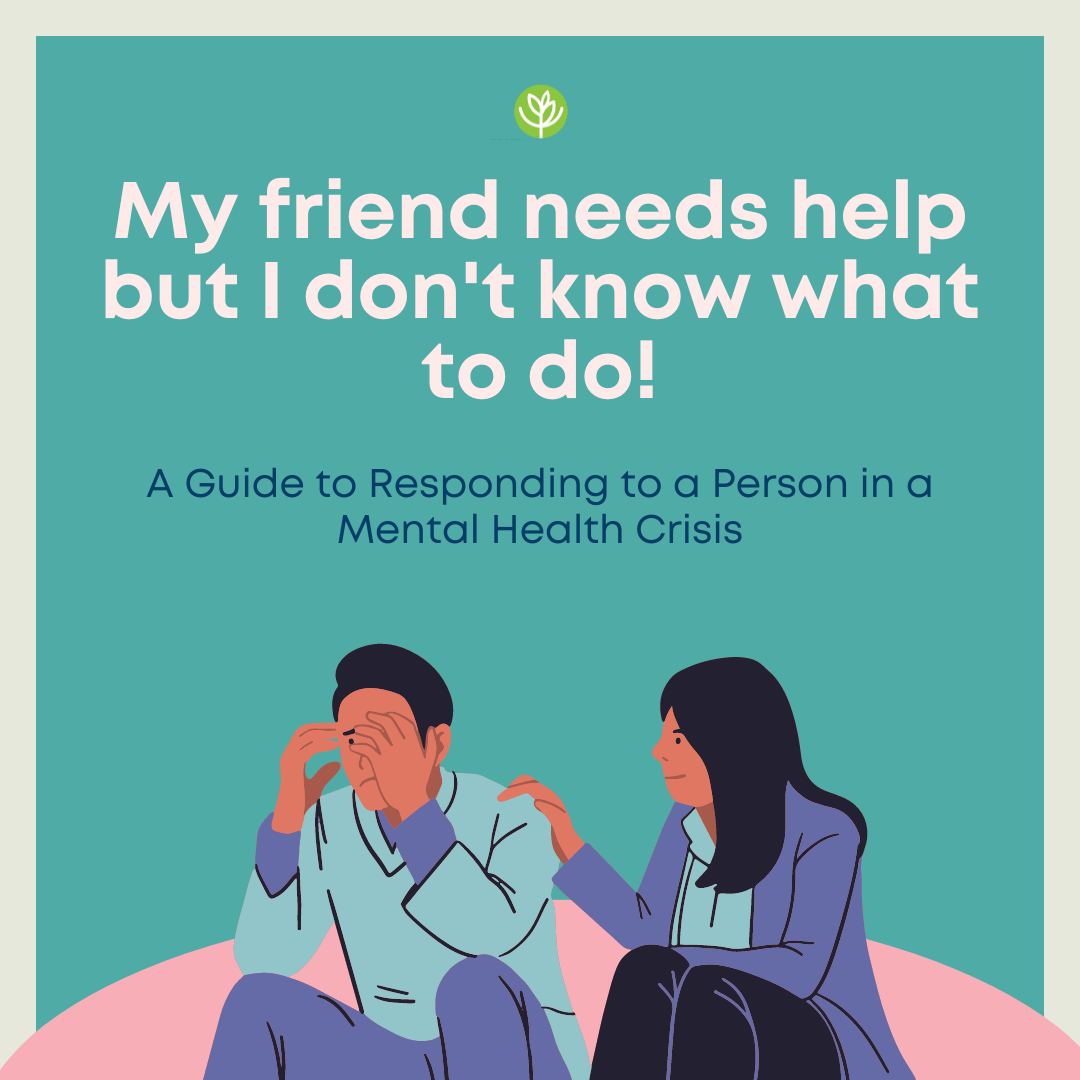
Helping Out a Friend Through a Mental Crisis Using ALGEE

Have you ever heard of the statement “That’s what friends are for”? It implies the role of a friend as someone you can count on to help you out. So when a friend reaches out and opens up about a problem, it seems natural to listen, comfort, and support them as best as you can. But there are times when you may not feel confident enough to help them. You may feel like you don’t understand the problem very well because you have not experienced it, or you have probably dealt with a similar problem before but could not understand why your friend is struggling with it. Sometimes, the idea of saying something wrong and making things worse for your friend is daunting in and of itself. Fortunately, there is one way for you to help your friend in times of mental distress.

So how can I help my friend out?

Like with medical concerns, you can provide first aid for mental health concerns.

Mental Health First Aid (MHFA) is done to help someone experiencing a mental health crisis when professional help is not yet available. ALGEE is a tool that is used to provide MHFA. It won’t teach you how to become your friend’s personal therapist, but it will help you provide them with the support they need to cope with what they are going through in that moment of crisis.

ALGEE is an acronym that stands for the following: Assess for risks of suicide or harm; Listen without judgment; Give reassurance and information; Encourage appropriate professional help; and Encourage self-help and other support strategies.

How do you use ALGEE?

ALGEE can be done in any order, depending on what you think your friend needs at the moment. Below is an overview of how you can approach and what you can expect to happen in each step. 

1. ASSESS for risk of suicide and harm

This step involves observing for any signs that would tell that a person is in distress. Such signs can be a sudden change in behavior or an unusual reaction to a particular topic or situation. You should also be alert to mentions or jokes of your friend contemplating suicide, as well as self-harm behaviors such as cutting, engaging in excessive substance use (such as alcohol, cigarettes, or drugs), or doing risky activities that can harm them physically.

If you find out that your friend is actively hurting themself or has plans to commit suicide, then it is important to persuade them to get help as soon as possible.

2. LISTEN without judgment

People who are in distress want to be heard. That’s why it is important to give them the opportunity to say what they want to say uninterrupted. Keep an open mind about what they are saying, even when you do not agree with them. Avoid making speculations or giving advice, unless your friend specifically asks for your opinion on the matter.

Show that you are actively listening by keeping an open and receptive body posture (that is, arms and legs uncrossed and palms resting comfortably on the lap or desk) and maintaining eye contact. You can also make appropriate verbal responses to show that you understand and follow what they are saying. Responses may be in the form of reinforcements (“I see.” or “Uh-huh.”), acknowledgements (“That’s tough.” or “I can imagine how confusing it is to be in that situation.”), questions (“What did you do to cope with that situation?”), and reflections (“This is what I heard from you. Am I understanding it correctly?”). If you’re talking with your friend through text or chat, you may need to rely more on verbal responses to better understand each other.

3. GIVE reassurance and information

In an effort to cheer your friend, you may sometimes find yourself telling them that everything will be okay or that they can do things if they only believe in themselves. However, people in distress may feel so overwhelmed and hopeless that they cannot see their situation improving or believe that they can act on their problems. To give reassurance, you need to make them see the possibility. You can do this by providing evidence and information. Are there ways to deal with their problem that they may not have thought of? Have there been situations that contradict a negative thought that’s been running through their mind? Helping them find evidence that there are things that can be done is an effective way of instilling hope in them.

There may be times when your friend thinks that undesired feelings or behaviors, such as lashing out at other people or being too afraid to speak in public, are their fault. However, such feelings or behaviors may actually be symptoms of a particular mental illness or of significant distress that could lead to a mental illness if untreated. Thus, it is important to emphasize that mental illness is real and the symptoms they are experiencing can be treated with the right help.

4. ENCOURAGE appropriate professional help

The earlier your friend gets help, the more likely they can recover. Find out what kind of support your friend needs at the moment and help them find professionals, agencies, organizations, or institutions that can make things a little easier for them.

If they need psychological help, there are various mental health services and programs available. Some universities and organizations offer free therapy sessions, although they may be limited in terms of slots or the number of sessions that can be availed. For long-term and more intensive help, paid therapy sessions in clinics and hospitals may be necessary. You can check out the directory of mental health facilities in the country created by #MentalHealthPH here. Additionally, 24/7 crisis lines come in handy whenever there is a need to overcome a mental crisis or to prevent a suicide attempt. A list of these hotlines can be found here. Regardless of whether payment is involved, simply being able to attend therapy is already a huge step towards healing.

5. ENCOURAGE self-help and other support strategies

Mental health services aren’t always available, and this can be a problem when your friend experiences a panic attack or suddenly feels overwhelmed by suicidal thoughts. Knowing how to deal with these emergencies helps them develop the skills to cope with crises on their own. Coping strategies such as breathing, grounding, and self-soothing techniques are useful during panic attacks. Utilizing tools for mindfulness and emotion regulation also helps practice control and lessen chaotic situations caused by outbursts. Exercising, spending time with friends and families, and engaging in hobbies and other recreational activities can help improve one’s quality of life. For some mindfulness breathing exercises, you can check out Circle of Hope’s Hingalangin videos on their Facebook page.

To see a demonstration of ALGEE, you can watch this roleplay video on YouTube.

Are there things I should consider when using ALGEE?

As a mental health first aid tool, the main purpose of ALGEE is not to diagnose your friend or solve their problem, but to help determine their needs and provide appropriate support. While your closeness can help your friend be more comfortable opening up to you, it is important to always be objective, express empathy, and abide by the principle of “Do no harm.”

Here are ways that you can do this.

  1. Keep what is said confidential, unless help from other people is necessary.

It takes courage for a person to open up about their struggles. Some people refuse to share what they are going through for fear of exposing themselves to the wrong people. Reaching out to you means that they trust you to keep what they have said only to yourself. Before going through ALGEE, it is best to set up a time and a place to talk to your friend privately. This will give your friend a chance to be vulnerable in a safe space. However, keep in mind that if there is a high risk that your friend would commit suicide, ensuring their safety by asking for help from other people and authorities is necessary.

  1. Do not force your friend to share their problems with you.

Sometimes, people are just not ready to talk about their problems. If your friend outright tells you that they do not want to talk, do not force them to. Instead, encourage them to talk to someone that they trust or assure them that you are available to listen to them whenever they are ready. You can also simply ask them what they need at the moment. Show them that there is someone who is willing to listen and help, and they have the option to choose who or when they seek help.

  1. Refrain from invalidating them or trivializing what your friend is going through.

Some people keep their worries to themselves because they believe that no one would hear them out or make the effort to understand them. When your friend opens up to you, listen well and try to see the situation from their perspective. If there are things they said that you do not agree with, do not reject or dismiss what they are feeling or thinking about. If you think that their problems are too simple, remember that every person is affected by situations differently. What may be easy for you may be too much for them. Likewise, if you have experienced a similar problem and have resolved it successfully, take note that what may have worked for you may not work for them. Thus, when providing help and support, consider their strengths and weaknesses.

  1. Give your friend the control that they need through options.

One of the reasons why people usually feel distressed is because they feel that they cannot control their situation. Thus, if solutions are imposed on them, the feeling of having a lack of control will increase. If you have a solution in mind, ask first if they are open to hear advice. If they are, assure them that your advice is simply a suggestion and is open to modifications until they find one that they are comfortable with.

  1. Improvise, adapt, and overcome.

There are times when it can’t be helped to expect something from your friend or from the situation. However, it is important to be open to the possibility that things may not go your way. Something may keep your friend from getting help despite your agreement or keep the situation from improving as you both hope. Identify the challenges, seek alternatives, and try again. And remember, it’s okay to make mistakes!

  1. Watch out and prepare yourself for compassion fatigue.

While being there for a friend during their toughest times is admirable, there are times when their problems, emotions, and negative thoughts can get to you too. When you feel overwhelmed with helping your friend or are starting to feel affected by what they’re going through, you may be experiencing compassion fatigue. It is important to be mindful of the symptoms of compassion fatigue and to prepare yourself to prevent it or address it when it comes. Remember to take a break if you have to and to take care of yourself first every once in a while. It’s also important to not be too hard on yourself if things don’t go as well as you hope. If your friend deserves compassion, then don’t you deserve some as well? You can practice some self-compassion exercises to help you combat compassion fatigue.

Using ALGEE is a great way to create a mental checklist of what you can do to help out a friend during a mental crisis. However, this does not mean that you have to strictly abide by it or be overly concerned if you skip a step. The most important thing about helping a friend is being there for them and showing them that you care.

References:

  • Altta Wellbeing. (2019, September 30). ALGEE – 5 letters, 1 life saved every time. https://wellbeing.altta.co.uk/algee/
  • Jorm, A. (2016). Key Elements of Mental Health First Aid. Alan J Fisher Centre for Public Mental Health. http://cpmh.org.za/wmhd/wp-content/uploads/2016/08/Key-Elements.pdf
  • Martinelli, K. (2023, February 20). How to Support a Friend With Mental Health Challenges. Child Mind Institute. https://childmind.org/article/support-friend-with-mental-health-challenges/
  • Mental Health Foundation. (n.d.). How to support someone with a mental health problem. https://www.mentalhealth.org.uk/explore-mental-health/articles/how-support-someone-mental-health-problem
  • Thurrott, S. (2021, June 11). Watch for These Key Warning Signs of Compassion Fatigue. Banner Health. https://www.bannerhealth.com/healthcareblog/teach-me/watch-for-these-key-warning-signs-of-compassion-fatigue
Categories
Blog Everyday Thriving General Thrive at Work Thrive in School Wellbeing Practices

Navigating the Road to Healthy Boundaries

Have you ever driven a car? Driving is a useful yet rigorous skill to learn.

Similar to driving, setting healthy boundaries is a rewarding skill that can help us go places. We are the driver navigating our way through the busy district of interpersonal relationships. Learning to set healthy boundaries needs conscious effort, and it can make us feel a mixture of excitement and fear – like driving for the first time.

Following the rules

Since childhood, we have been taught to follow the rules: obey the elders, be agreeable to our peers, consider others’ feelings, and be mindful of how others view us. These rules usually remain with us until adulthood as we continue to defer to our parents, comply with our supervisors, and yield to our partners. More so, these rules help us maintain harmonious relationships with others.

The downside of rigidly following these rules is developing our fear of interpersonal conflicts. The need for belongingness and acceptance drives us to indulge others even with a heavy heart. Some demands
can make us feel uncomfortable, but we do them anyway to avoid the guilt and anxiety of saying no.

Sometimes people misinterpret the rules of social relationships. We become compliant instead of compromising to maintain “conflict-free” relationships. Giving in to the backseat drivers can be exhausting; we have to take the wheel ourselves.

Keeping safe distance

Being too close to other cars raises the chance of collision. The same goes with having little to no personal space. It may appear counterintuitive, but saying no to others can improve our relationships.

Boundaries are the limits we establish for ourselves on our participation in social activities to preserve our integrity. They make us feel comfortable genuinely expressing ourselves and still safe around others. They are not meant to keep people away but to provide us enough space to assert our needs, wants, and expectations of others.

Dr. Sheri Jacobson, a retired senior therapist and founder of Harley Therapy in the United Kingdom, listed the adverse effects of having poor boundaries. We become vulnerable to stress, anxiety, depression, and burnout. While we try to avoid interpersonal conflicts, we may still have bad relationships. Others can take advantage of us even unintentionally at times. Our frustration, resentment, and anger will eventually accumulate, and passive aggression may seem like the only way to stand up for ourselves. The worst case is losing our own identity as we prioritize others more than
ourselves.

Paying attention to the signs

As you journey through setting healthy boundaries, you need to look out for the signs of being a people pleaser. According to Nedra Glover Tawwab, a therapist and author of Set Boundaries, Find Peace, poor
boundaries manifest in four ways:

1. Neglecting self-care

Whenever you accommodate others’ wishes, you give a part of yourself to them – your time, energy, and resources. A telltale sign of having poor boundaries is not having enough of these for your own. It is neither selfish nor inconsiderate to give yourself some space. Remember, you cannot run with your gas tank empty or battery drained. You have to take care of yourself first to take care of others.

2. Overwhelmed

People with poor boundaries feel overwhelmed most of the time as they tend to accept more tasks than they can manage. They constantly worry about fitting everything into their schedule. You need to know your limits and work only within your limits. Going beyond them results in exhaustion and burnout.

3. Resentment

People who are compelled to do something may feel annoyed. Worse, those taken for granted feel hurt, bitter, and angry. Resentment will pile up and negatively affects your relationships in the long run. The little things we used to enjoy doing for and with others start to feel like duties – boring and tiring. Note that relationships should not be a burden; instead, they should be one of your sources of happiness, hope, and support.

4. Avoidance

When you cannot assert yourself, you will likely respond to resentment by avoiding others. It is passive aggression to ignore or cut off people. Delaying responses and bailing out of trips are some avoidant strategies that can isolate you. These are not helpful because they do not convey to others why you evade them; hence, they will continue to ask you favors.

Map to healthy boundaries

When you recognize the warning signs, hit the break and take the route to setting healthy boundaries. Adapted from Tawwab, you can follow this roadmap:

1. Identify your boundaries

The first step in setting healthy boundaries is to know your wants, needs, and expectations. Observe yourself and reflect on your emotions and thoughts.

  • Do you want to do this?
  • Are youcomfortable doing that?
  • What do you need?
  • What do you expect others to do to you or for you?

Ask these questions to know more about yourself and your limits. Honesty is crucial in this step.

2. Communicate

People are not mind readers; you have to tell them our boundaries. More importantly, you must state them clearly and directly – not just signals of maybe’s or I-don’t-know’s. In doing so, others become aware of how you want to be treated. You may beat around the bush because you find confrontations agonizing, but indirectly communicating our boundaries can only be confusing.

3. Deal with the discomfort

Setting boundaries can initially elicit some discomfort. You may feel guilt for being “selfish” or “mean.” You may feel fear that your future interactions will be awkward. You may also worry about saying the right words in the right tone at the right time. However, practice can make it feel easy and natural. Remind yourself that you are setting boundaries for your wellbeing. Engage in other self-care activities as well to improve your mood while learning how to say no.

4. Follow through

Despite feeling some degree of discomfort, you have to commit to honoring your boundaries. Consistency is key. Show people that you take your boundaries seriously, and they should, too. Immediately speak up when others go overboard. Tell them how you feel about it and what you prefer them to do. Do not let anyone slide, as it only encourages others to continue disregarding your boundaries.

The roadmap may appear short and straightforward, but it can be a long and winding road. You may find yourself going in circles, and it is definitely okay. When this happens, pull up and refer to the map to find your way again. You can also ask a reliable friend to hop in for a while and help you stay on track.

Establishing healthy boundaries leads to an enjoyable life. You become true to yourself, and others learn to honor your decisions. You get the most out of your relationships because you are respected – by yourself and others.

Now that you know the rules, the signs, and the map, may you continue to share your adventures with others while enjoying some healthy space for yourself.

References:

American Psychological Association (n.d.) Boundary. APA Dictionary of Psychology.
https://dictionary.apa.org/boundary
Jacobson, S. (2015, March 24). The Psychological Cost of Never Saying No. Harley Therapy.
https://www.harleytherapy.co.uk/counselling/saying-no.htm
Tawwab, N. G. (2021). What the Heck are Boundaries?. Set Boundaries, Find Peace: A Guide to Reclaiming Yourself. Penguin Random House LLC

Categories
Blog Everyday Thriving General Restorative Practices Wellbeing Practices

Tune In: How Music Fosters Wellbeing

“‘Cause when you get older, life gets colder
Sometimes I just wanna hit pause, but I’m afraid I’ll never press play again…”

Clara Benin

When was the last time you checked in with yourself and asked how you’re truly doing?

With all the demands that life throws at us, we may easily fall into the trap of mindlessness, juggling many things all at once without examining ourselves in the process; thereby, running the risk of wearing ourselves out in the long run. Add to it the culture we live in where busyness, overproductivity, and urgency are being glorified. Who has the luxury to be still a few minutes in a day when work pressures you to submit it now? Who even cares about how you feel when outputs have become implied measures of one’s worth? If we won’t make deliberate choices for our wellbeing, these can be detrimental to our health and our ability to flourish as we live this one precious life we’re gifted with.

Press Pause and Tune In

Think of the self like a musical instrument, say, for example, a guitar. It would be pointless to sing and be accompanied by it if the instrument is out of tune. In order to maximize the value and function of a guitar (and this goes with most instruments), it has to be set in proper tuning. Too much tightness could cause the strings to break. On the other end, when you don’t plan to use the guitar for quite some time, it’s best to loosen up the strings in order to prevent them from possibly breaking. 

The same goes for us, human beings. When we’re constantly exposed to stress and we’re unable to release the tension, it affects how we think, feel and relate with others in negative ways. Moreover, our bodies will eventually suffer and it may manifest as physical illnesses. In order to be at our optimal selves, we need to pause, tune ourselves, and acknowledge where we are at the moment with gentleness and self-compassion. 

Tuning ourselves may look different for each of us, just like getting quality sleep, eating healthy foods, ensuring that we’re regularly connected with the people we love and who support us, having a me-time, creating space to feel both pleasant and unpleasant emotions, being mindfully aware as thoughts and feelings come and go in the present moment. The last two may take time some practice in order to cultivate such awareness, but one tool has been helpful in making it happen— music.

Permission to feel

music

Who gave you permission to feel?

Music.

What seemed to be just a moment of mindless scrolling on Twitter ended up as an “aha!” moment that eventually led me to reflective mode, just like how you listen to a song for the first time, and it suddenly hits right in the feels. Familiar, isn’t it?

Whether as a listener or creator, one cannot deny the power of music in evoking emotions. We know from experience how music gives us the comfort we need when going through difficult times, the focus and energy boost in completing tasks, and even transporting us back into key events in our lives where we try to make meaning and reconstruct our own narrative. It serves a myriad of functions, most especially in enhancing our wellbeing.

Music and wellbeing

1. Music as a safe space for feelings

“Perhaps the therapeutic use of music allows people to
experience emotions safely… (Wilkinson, 2018).” Remember the moments you listened to music when you needed a good cry or you need to feel calm. Maybe the lyrics resonated with what you’re currently going through, which gives you a sense of comfort, the feeling of being held, and the validation that you’re not alone. Or, if you’re a musician and you’re trying to capture your feelings into melodies, the act of playing your instrument becomes cathartic for
you. A song is like a friend who provides that safe, grounding, and non-judgmental space that gives you permission to feel in that present moment. Joy, sadness, fear, anger, hope, love, awe— all emotions are welcome here. These “permission to feel” moments are important in maintaining our wellbeing since it allows us to acknowledge the complexities of our emotions which is key to emotion regulation, instead of running away or numbing them.

A qualitative study by Saarikallio (2010) explored music-related strategies of emotional self-regulation during adulthood and found that participants turn to music for:

  • happy mood maintenance
  • revival and relaxation especially when tired
  • strong sensations and powerful emotional experiences such as intense enjoyment, deep concentration and emotional involvement in music (e.g. being part of an opera production or watching a live concert)
  • diversion or distraction from unwanted thoughts and feelings
  • discharge and disclosure—that is, releasing and venting anger or sadness through music that expressed these emotions
  • mental work such as being able to face, contemplate and work through unsettling emotional experiences,
  • solace— acting like a comforting friend who understands and accepts you when you feel sad, melancholic or hopeless; and
  • ‘psyching up’— uplifting one’s mood and raisingone’s energy levels for an activity.

2. Music helps us get “in the zone”

Being completely absorbed in an activity that you lose track of time is known as flow or commonly known as “in the zone”. This intense and focused concentration on the present moment can be achieved through the help of music. You  may recall a time that listening to an ambient or instrumental music helped you stay focused in finishing a task such as writing or studying for an exam. According to Mihály Csíkszentmihályi (2014), the main proponent of the concept of flow:

“merely having music playing in the background does not evoke flow, but listening to music as the main activity so that attention can be focused on the music is an important precondition for getting into and staying in flow.”

Mihály Csíkszentmihályi (2014)


The key then is to listen mindfully to the music. To practice, set aside at least five minutes to listen mindfully to a song of your choice (one that doesn’t have lyrics), sit with it and listen to all the elements used in the song, from the instruments used to how it’s arranged. As you cultivate mindful listening to the music, it increases your likelihood of getting into flow.

3. Music as a tool for enhancing social connections

There is no doubt that music is best enjoyed when it is experienced and shared with others— whether that could take in a form of singing together in a group (karaoke sessions), teaching another person on how to play an instrument, meeting strangers who have turned into friends in a concert of your favorite band, curating a playlist for your loved one and sharing it to them ‘cause that’s your love language, or being part of a fan group and interacting with the artist. Sometimes, when we’re having difficulty in articulating our thoughts and feelings to our friends, it helps to share instead a song that relates to our experience so that our friend would understand where we are. Koelsch (2013) reviews the social functions of music such as being able to increase contact, coordination and cooperation with others, engage in social cognition wherein the listener tries to understand the intent and message of the artist expressed in the song, participate in co-pathy (a social function of empathy), which all leads to social cohesion— satisfying our human need to belong.

Truly, music allows us to feel connected to all of humanity.  Music indeed is a gift to us, especially as we continue to take care of our wellbeing. May we practice tuning in to ourselves with the help of music, allowing it to take us to places of our souls that need some tending. And just “be”.

Sources: