
Categories
Blog Everyday Thriving General Wellbeing Practices

Chat, Are We Cooked? AI Is Literally Giving Us Brainrot!

Tralalero Tralala! Tung Tung Tung Sahur!

Honestly and seriously, what do these mean and where did they come from? If one tries to search about it, results would say that it’s AI-generated content originating from Italy. What’s interesting is that it’s filed under the “brainrot” memes of the younger generation. The term is defined as low quality digital content or media that is excessively consumed and causes a decline in one’s cognitive state such as attention and critical thinking. Usually, it comes in short form content like TikTok videos, Facebook and Instagram reels, and YouTube shorts—basically, videos under 10 seconds with visuals and audios that leave a lasting impression on you after rewatching it a few times or consistently seeing/hearing them when you scroll through your feed. It gets to the point where it eventually gets stuck in your brain and you resort to that response in any given situation. 

Globally as of the moment, we have the audios from the songs Sugar on My Tongue by Tyler, the Creator. The catchiness of the song eventually brought about a trend where people film themselves from the POV of a refrigerator. Another example is Predador de Prereca, a Spanish song so upbeat you would think the lyrics are harmless and fun, but when you translate its lyrics to English, you’d be surprised how obscene and lewd the song actually is. Now, you might be thinking why I’m taking the time to give these specific examples and explain it to you. Well, it’s because when we obsessively and mindlessly scroll through social media, we tend to absorb anything we see and hear without giving it a second thought. While some content may be innocent and harmless, some content may also have sexual innuendos and themes of violence, aggression, suicide, and so on and so forth. For younger adults and older, perhaps they’ll be able to discern what’s right or wrong and what’s moral or not. But for teens and younger children, they could cluelessly absorb it, internalize it, and sometimes even embody what they see. Trust me, I’ve seen what kids talk about in their discord group chats and servers, and it’s honestly pretty terrifying. 

A number of studies have recently been conducted to study how the excessive consumption of short-form content impacts one’s attention span, and as expected, it significantly and negatively affects one’s cognitive functioning. This is because the brain gets conditioned for constant stimulation, instant gratification, and rushes of dopamine. When this happens, we start to have trouble accomplishing tasks that require sustained attention because we’re not getting any immediate feelings that are rewarding, satisfactory, amusing, or pleasurable. And this can definitely and especially be a problem for the younger generations. Now you might be wondering, “How does brainrot from short-form content connect to brainrot from the use of AI?”. Well, exercise your ability to concentrate and patiently wait because we’re getting there! 

When children become accustomed to fast-paced sensory-stimulating information, their academic performance can be compromised because this affects their ability to sit through hours of lectures, reduces their academic interest, and causes them to have lower grades. Tendencies to procrastinate become higher too, which can lead to experiencing symptoms of depression and anxiety overtime (Jochmann et al., 2024). Not only will they have difficulty listening in class, but they will also have difficulty accomplishing assignments, homework, and projects, as doing these necessitates much time and concentration. And this is where AI learning tools come in and exacerbate the problem. ChatGPT is probably the most widely used AI learning tool as of the moment. Using it is just so simple, quick, and easy. You just type in a prompt–may it be a question or a statement, and in just a few seconds, you get a substantial amount of information. Does this sound familiar? While ChatGPT is extremely useful and helpful, recent studies have shown that becoming heavily reliant on it actually makes you… dumber. Through EEG scans, Kosmyna et al. (2025) examined the brain activity of users and non-users of AI tools in essay writing and found that those who wrote essays without any tools had the most active and well-connected brain networks. Meanwhile, those who solely relied on AI had the least brain activity especially in areas connected to attention and critical thinking. It has also been observed that those who heavily rely on AI show poor memory as some participants in the student reported not remembering what they wrote. 

You’d be surprised that not only do individuals rely on ChatGPT for academic related work, but they also rely on it for decision-making and companionship. From people I personally know, they resort to ChatGPT when they need help deciding where and what to eat. Some even resort to it for a quick therapy session as ChatGPT is designed to be agreeable and to validate you. Knowing this is actually quite frustrating and perhaps, the younger generation’s brain must truly be rotting because the first thing that comes to their mind when something happens or a thought occurs is to message a robot. 

Now, what can we do to address this problem? 

  1. Engage in activities or games that stimulate your brain and encourage you to practice your critical thinking and problem solving skills (Dresler et al., 2018). Such games that encourage strategic thinking include crossword puzzles, sudoku, scrabble, and chess. There are also mobile applications now that are designed to enhance your quantitative reasoning, memory, attention, and verbal comprehension through mini games. 
  2. Don’t forget your physical health! Engaging in physical activities have been found to prevent age-related declines in cognitive functioning such as dementia. Physical exercise, especially aerobic exercises, have been found to expand the volume of the hippocampus, the part of the brain that plays a significant role in memory, learning, and spatial awareness (Erickson et al., 2011. 
  3. Eat healthy! Nutrients such as Vitamin B, Omega-3, antioxidants, and choline all contribute to memory functioning so it’s best to stock up on food rich in these such as leafy green vegetables, nuts, eggs, fatty fish, and fruits (Puri et al., 2023). 
  4. Aim to have a restful 8 hours of sleep. Doing so allows us to have better cognitive capacity and functioning. Feeling well-rested enhances our ability to think, focus, and remember better. Add in some meditation or any relaxation techniques or activities that can help to release stress in your body as well (Dresler et al., 2018). 

If it were up to me, I would personally add in a fifth method which is to delete ChatGPT! But no worries if not. What’s important is that you are able to exercise discipline, self-awareness, and self-control when it comes to slowly being less dependent on AI learning tools. As tempting as it is to receive an instant response, solution, or answer, how quick and constant we get an answer from AI contributes to how long and lasting its impact will be on our cognitive health.

References:

  • Dresler, M., Sandberg, A., Bublitz, C., Ohla, K., Trenado, C., Mroczko-Wąsowicz, A., Kühn, S., & Repantis, D. (2018). Hacking the Brain: Dimensions of Cognitive Enhancement. ACS Chemical Neuroscience, 10(3), 1137–1148. 
    https://doi.org/10.1021/acschemneuro.8b00571 
  • Erickson, K. I., Voss, M. W., Prakash, R. S., Basak, C., Szabo, A., Chaddock, L., Kim, J. S., Heo, S., Alves, H., White, S. M., Wojcicki, T. R., Mailey, E., Vieira, V. J., Martin, S. A., Pence, B. D., Woods, J. A., McAuley, E., & Kramer, A. F. (2011). Exercise training increases size of hippocampus and improves memory. Proceedings of the National Academy of Sciences, 108(7), 3017–3022. https://doi.org/10.1073/pnas.1015950108 
  • Kosmyna, N., Hauptmann, E., Yuan, Y. T., Situ, J., Liao, X.-H., Beresnitzky, A. V., Braunstein, I., & Maes, P. (2025, June 10). Your Brain on ChatGPT: Accumulation of Cognitive Debt when Using an AI Assistant for Essay Writing Task. ArXiv.org. https://arxiv.org/abs/2506.08872 
  • Puri, S., Shaheen, M., & Grover, B. (2023). Nutrition and cognitive health: A life course approach. Frontiers in Public Health, 11(11). https://doi.org/10.3389/fpubh.2023.1023907

Categories
Blog Everyday Thriving General

IG: Instant Gratification and Social Media

Ding! Someone liked your post. Ding! You have a new message. These familiar notifications

from the different social media platforms may often spark a small rush of excitement. What
people might not know is that these alerts are doing more than just updating us—they trigger the release of dopamine in our brains, which is the reward system and creating a pleasurable sensation (UC Davis Health, 2024). Over time, this cycle can condition us to crave such interactions, reinforcing us to check for likes, comments, and shares. When these signals of approval are absent, however, the opposite effect may occur. Instead of pleasure, people may experience feelings of rejection, inadequacy, or self-doubt.

To better understand these dynamics, it is important to first define social media, then examine how it intersects with instant and delayed gratification. By doing so, we can better understand
the potential impacts social media has on mental health.

Social media refers to a collection of online platforms that allow individuals to interact, connect, and share content within digital networks (Bashir & Bhat, 2017). Examples include Facebook,
Instagram, TikTok, YouTube, and X (formerly Twitter).

Researchers define social media as a system that enables people to create, exchange, and engage with diverse forms of content such as messages, photos, videos, and articles (Ahmed, Ahmad, Ahmad, & Zakaria, 2019). It allows for individuals to maintain relationships, build communities, and share ideas regardless of distance.

However, while social media brings undeniable benefits in terms of connectivity and information-sharing, it also affects one’s mental health. The contents of these platforms are curated in such a way that triggers dopamine to be released and leads to instant gratification.

The effects of social media are wide, influencing how people perceive themselves, interact with others, and make daily decisions. Many studies have highlighted both positive and negative outcomes. On one hand, social media can support mental health by providing access to social support networks, educational resources, and opportunities for creative self-expression. On the other hand, its design and constant availability may foster dependency and compulsive use.

A central reason why social media feels so compelling is its connection to dopamine. Dopamine is a neurotransmitter that plays a key role in motivation, learning, and reward-seeking behavior. Each “like,” comment, or share triggers a small dopamine release, producing a sense of satisfaction called instant gratification (Flex, 2023). Over time, this repeated reinforcement conditions users to continue engaging, hoping for the next rewarding interaction.

The danger is that this process can lead to an endless cycle of checking, posting, and seeking validation (Flex, 2023). Users may start to measure their self-worth by online approval, making them more vulnerable to negative emotions when engagement is low.

Going deeper, what is Instant gratification? This refers to the tendency to prefer immediate rewards over larger but delayed benefits (Goldfield, 2025). In the context of social media, this increases the temptation of instant gratification by offering continuous and easy access to small rewards. This desire for instant gratification affects a person’s decision-making process, creating the choice between immediate pleasures and future benefits (Yin & Shen, 2024). Given the age of social media and technology, most individuals tend to go for fast paced rewards. What makes social media more concerning is that it presents an endless supply of these rewards, making it difficult to exercise restraint.

When people consistently prioritize immediate rewards, several consequences can arise. First, people tend to become more impulsive (Flex, 2023). Rather than taking time to weigh long-term benefits, individuals may opt for “quick fixes.” A person might find it increasingly difficult to resist urges, leading to habits like compulsive scrolling or checking phones at inappropriate times. In some cases, this can escalate into problematic use, where social media begins to interfere with sleep, productivity, or face-to-face relationships.

Second are the emotional effects where individuals who rely heavily on social media for validation may become more vulnerable to mood swings, irritability, or even anger when the desired engagement fails to appear (Flex, 2023). Over time, this lack of emotional regulation can contribute to stress and dissatisfaction.

Social media is uniquely positioned to fuel instant gratification because of its design. Platforms employ algorithms that deliver personalized and fast-paced content, maximizing user engagement. Some of the main features that encourage this gratification include:

  • Likes, Shares, and Comments: These act as immediate markers of approval, giving users a sense of recognition and belonging.
  • Messages and Notifications: Alerts about direct messages or mentions increase feelings of connectedness, providing social reassurance.
  • Short-form Content (e.g., TikTok, Instagram Reels, YouTube Shorts): Quick, entertaining videos deliver immediate stimulation and are often consumed in rapid succession.

While these features are not harmful in isolation, prolonged use may contribute to a range of negative effects, such as (Naslund, et. al., 2020).:

  • Fear of Missing Out (FOMO)
  • Social comparison and envy
  • Burnout and fatigue from constant engagement
  • Sleep disruption due to late-night scrolling
  • Anxiety and depression linked to validation-seeking
  • Exposure to cyberbullying and online harassment
  • Strained offline relationships
  • Dissatisfaction with body image

These outcomes underscore the importance of learning to balance the use of social media.

While social media is not inherently bad, its impact depends on how it is used. Like many tools, it can be beneficial when approached with moderation and harmful when consumed excessively. Some ways to counteract the pull of instant gratification is by intentionally cultivating delayed gratification.

Here are some ways which one can promote delayed gratification in terms of social media use:

  1. Slowing Down and Taking Breaks
    Pausing from social media creates mental space to reflect on habits and choices. Breaks can weaken the automatic cycle of checking for notifications and allow individuals to re-engage with
    activities that provide long-term satisfaction.
  2. Setting Social Media Boundaries
    Boundaries can include time limits, app restrictions, or “tech free” hours during the day. By reducing availability, users can protect their focus and emotional well-being.
  3. Limiting Short-form Content
    Choosing to consume longer forms of media—such as articles, documentaries, or podcasts—can help retrain attention spans and reduce reliance on constant novelty.
  4. Practicing Mindfulness
    Mindfulness involves cultivating present-moment awareness without judgment. When applied to social media, mindfulness helps individuals notice urges, reflect on whether to act on them, and engage more intentionally. Over time, this increases self-control and reduces dependency on dopamine-driven reinforcement (Flex, 2023).

Social media has transformed human interaction, offering opportunities for connection, entertainment, and knowledge sharing. At the same time, it poses risks of dependency on instant gratification. The dopamine-driven cycle of likes, comments, and short-form content can fuel impulsivity, emotional instability, and even mental health struggles.

Yet, social media itself is not the enemy—it is our relationship with it that determines its impact. By slowing down, setting boundaries, choosing more mindful forms of engagement, and practicing delayed gratification, individuals can enjoy the benefits of social media while safeguarding their wellbeing. In doing so, we shift from being passive consumers of digital validation to intentional consumers.

References:

  • Bashir, H., & Bhat, S. A. (2017). Effects of social media on mental health: A review. International Journal of Indian Psychology, 4(3), 125-131.
  • Flex, A. (2023, July 5). The rise of instant gratification culture: How smartphones and social media contribute. Medium. https://medium.com/@neonmaxima/the-rise-of-instant-gratification-culture-how-smartphones-and-social-media-contribute-33bfa3a43ab4
  • Goldfield, G. (2025, March 4). I want it now! The psychology of instant gratification. Psychology Today. https://www.psychologytoday.com/us/blog/no-more-fomo/202503/i-want-it-now-the-psychology-of-instant-gratification
  • Naslund, J. A., Bondre, A., Torous, J., & Aschbrenner, K. A. (2020). Social media and mental health: benefits, risks, and opportunities for research and practice. Journal of technology in behavioral science, 5(3), 245-257.
  • Sadagheyani, H. E., & Tatari, F. (2021). Investigating the role of social media on mental health. UC Davis Health. (2024, May 10). Social media’s impact on our mental health and tips to use it safely. Cultivating Health. https://health.ucdavis.edu/blog/cultivating-health/social-medias-impact-our-mental-health-and-tips-to-use-it-safely/2024/05
  • Yin, B., & Shen, Y. (2024). Development and validation of the compensatory belief scale for the internet instant gratification behavior. Heliyon, 10(1).

Categories
Blog Everyday Thriving General Restorative Practices Wellbeing Practices

Sweat the Stress Out: The Science of Beating Burnout by Working Out 

Have you ever caught yourself spacing out while finishing a task at work, juggling multiple things at once, or even just feeling so monotonously stuck inside a routine? More often than not, we’ve all noticed ourselves feeling drained to the core while carelessly attending to our demands. Manifested as symptoms of exhaustion (i.e. physical and psychological), dissociation, as well as a lack of motivation, burnout commonly occurs among individuals with stressful roles and this work-related fatigue encompasses one’s well-being as it affects productivity, commitment, and morale (Celestin & Vanitha, 2017; Naczenski et al., 2017). The consequences of burnout might tempt us to engage in certain activities that might not be helpful to us (e.g. drinking, smoking, etc.) (Muteshi & Kamya, 2024). While there are different ways for us to poorly cope with this, there are alternative ways for us to positively fight it as well and such is through the productive movement of our bodies. Exercise, whether cardio, resistance training, or other forms, is actually a strong weapon against burnout and here are its benefits (Basso & Suzuki, 2016; Bretland & Thorsteinsson, 2015; Gerber et al., 2020; Naczenski et al., 2017): 

  • Clearer thinking 
  • More positive mood 
  • Lower stress levels 
  • Improved well-being 
  • Better sense of accomplishment 
  • Reduced emotional exhaustion 
  • Decreased perceived stress 

Exercise was also found to be a significantly helpful component in therapy-oriented approaches in order to recover from burnout (Ochentel et al., 2018). Furthermore, studies show that engaging in movements that are involved with rhythm, breath work, and grounding strategies can help calm our nervous systems down and make us more resilient in the face of stress (Porges & Dana, 2018). That said, we can view exercise as an accessible way to tolerate or cope with distress and its related feelings or phenomena such as burnout (Linehan, 2015). 

We don’t have to go to such physically strenuous lengths for us to recover from burnout. Studies have shown that even just a bit of exercise can help yield the benefits that were mentioned earlier (Basso & Suzuki, 2016; Star, 2023). Here are some types of exercises you can try out (Basso & Suzuki, 2016; Bretland & Thorsteinsson, 2015; Ochentel et al., 2018; Star, 2023): 

  • Cardio and aerobic – Running, cycling, brisk walking, swimming, 
  • Resistance training – Lifting weights, making use of bodyweight 
  • Social activities – Dancing, yoga, tai-chi
  • Sports – Individual or team sports 

Additionally, even doing these for just a short period of time can already release a significant amount of endorphins in order to improve our moods right away just on its own (Basso & Suzuki, 2016). When deciding on which activity/ies to do, it helps that you actually want to do or enjoy that type of exercise as this builds consistency in the long run (Star, 2023). So whether it’s dancing, swimming, strengthening your muscles through weights, or building stamina through cardio – know that you’ll more likely get further if you’re happy with what you’re doing. The world is your oyster! You’re not just limited to one type of exercise. For instance, doing cardio together with lifting weights actually maximizes the likelihood of you yielding positive results not just psychologically, but also physically (Bretland & Thorsteinsson, 2015). Thus, know that the type, intensity, and duration of exercise really depends on what works best for you. Lastly, it’s important that you tailor your workout to the status of your health, lifestyle practices, and personal preferences in order to build an exercise routine that is both safe and successful (Gerber et al., 2020). 

To beat burnout, of course, it is vital that we commit ourselves into doing so – even with what little motivation we have left. You might feel a little less confident and unmotivated at first before building these through time, or vise-versa, you may feel ready to start a new routine but might lose interest after a while. That’s okay and completely normal! Here are some tips that might help as you go through your journey (Bretland & Thorsteinsson, 2015; Celestin & Vanitha, 2017; Ochentel, Humphrey, & Pfeifer, 2018; Porges & Dana, 2018): 

  • Move forth with compassion: Allow yourself some kindness and patience as you start your fitness journey and know that progress is not linear. 
  • Baby steps: Try to build consistency until your routine becomes a habit – slowly yet surely, and the smallest effort on your most tiring days still does count. 
  • A healthy life is a happy life: Don’t forget that exercise must be accompanied by other healthy habits (e.g. proper rest, healthy diet, avoid unhealthy substances, etc.).
  • Switch it up when you feel stuck: Try new exercise routines or find a buddy or group to make work-outs seem more enjoyable and uplifting. 

Working out is merely a piece of the puzzle in the grander scheme of tools to help us take care of ourselves mentally and physically, yet has immensely impactful effects when done properly. Not only is it good for our body, it also helps us balance how we respond to stress by bringing us back down to what feels safe (Porges & Dana, 2018). Finally, seek the professional help you need should things get really tough (e.g. training coach, therapist, etc.). Remember, baby steps and your body will thank you tomorrow in ways that might surprise you.

References:

  • Basso, J. C., & Suzuki, W. A. (2016). The effects of acute exercise on mood, cognition, neurophysiology, and neurochemical pathways: a review. Brain Plasticity, 2(2), 127-152.
  • Bretland, R. J., & Thorsteinsson, E. B. (2015). Reducing workplace burnout: the relative benefits of cardiovascular and resistance exercise. PeerJ, 3, e891. 
  • Celestin, P., & Vanitha, N. (2017). From burnout to balance: Managing mental health in high-stress projects. 
  • Gerber, M., Schilling, R., Colledge, F., Ludyga, S., Pühse, U., & Brand, S. (2020). More than a simple pastime? The potential of physical activity to moderate the relationship between occupational stress and burnout symptoms. International Journal of Stress Management, 27(1), 53. 
  • Linehan, M. M. (2015). DBT skills training handouts and worksheets (2nd ed.). Guilford Press. Muteshi, C., Ochola, E., & Kamya, D. (2024). Burnout among medical residents, coping mechanisms and the perceived impact on patient care in a low/middle income country. BMC Medical Education, 24(1), 828. 
  • Naczenski, L. M., de Vries, J. D., van Hooff, M. L., & Kompier, M. A. (2017). Systematic review of the association between physical activity and burnout. Journal of occupational health, 59(6), 477-494. 
  • Ochentel, O., Humphrey, C., & Pfeifer, K. (2018). Efficacy of exercise therapy in persons with burnout. A systematic review and meta-analysis. Journal of sports science & medicine, 17(3), 475. 
  • Porges, S. W., & Dana, D. (2018). Clinical applications of the Polyvagal Theory: The emergence of polyvagal-informed therapies. Norton. Star, K. (2023). Mental health benefits of exercise: For your body and brain. Verywell Mind. https://www.verywellmind.com/mental-health-benefits-of-exercise-2584094
Categories
Blog Everyday Thriving General Wellbeing Practices

That’s Cringe! What It Means, Why We Feel It, and How to Deal With It

Have you ever been hit by a sudden wave of secondhand embarrassment? That gut-wrenching

feeling that makes you squirm, shift uncomfortably, or even physically recoil, all because you just saw someone do something painfully awkward? Or maybe you remembered something embarrassing you did years ago, and suddenly you’re blushing all over again? That feeling is what we call “cringe.”

It’s a unique emotional response we get when we witness someone make a social blunder or a faux pas that jeopardizes their social image or even ours, even if it’s not happening to us directly or right now (Escoe et al., 2024). It also happens when someone tries to make a good impression but completely messes it up in a way that’s hard to ignore.

According to research, cringe is a vicarious emotional reaction. That means it happens when we witness someone break social norms or mess up their social “integrity” (Mayer et al., 2021). The interesting part is that these social transgressions are usually trivial and pretty harmless. They don’t have serious moral consequences, and sometimes they even make us laugh.

Physically, cringe can show up in a bunch of different ways. Maybe you flush or scrunch up your face. You might squirm in your seat, cover your mouth, or even shout “eww!” Some people break into a sweat or get goosebumps. Your face might feel hot, and your whole body reacts, even when your brain logically knows it’s not you in that awkward moment. 

That reaction? That’s cringe.

Now, to make it clear, cringe isn’t quite the same as embarrassment. Embarrassment is something we feel about ourselves when we mess up socially, especially if others see it. Think about waving back at someone who wasn’t waving at you, or accidentally calling your teacher “mom.” It’s sort of like an instant feeling of awkwardness that is personal.

Cringe, on the other hand, is more like secondhand embarrassment. It’s what we feel when someone else does something awkward or socially uncomfortable. Like watching a person try way too hard to seem cool in front of new people, or the classic example of someone pulling out a wedgie in public. It’s awkward, it’s uncomfortable, and it makes you squirm just watching it. What’s even funnier (or more painful) is that we can also cringe at ourselves, like remembering something cringey we did years ago and feeling all those feelings all over again.

Well, humans are inherently social creatures. We share emotions, we try to figure out what others are thinking, and we quickly learn what kind of behavior leads to embarrassment or shame. Since belonging is a basic survival instinct, we naturally avoid things that might make us look weird, awkward, or unacceptable to others.

When we see someone break a social rule, or suddenly remember an embarrassing moment of our own, our brain treats it like a social threat. That’s why we squirm, look away, or get that full-body “eugh” feeling. It’s basically our brain trying to protect us from experiencing the same awkwardness firsthand.

A more neurological explanation could be that certain parts of the brain, like the anterior insula, which helps us process self-conscious emotions like embarrassment, are closely connected to the amygdala, our brain’s “emotion center”. When these two areas work together, they help explain pain empathy, or that feeling we get when we experience someone else’s pain or embarrassment, almost as if it were our own (Paulus et al., 2014).

Surprisingly, cringe doesn’t just make us uncomfortable, it also makes us want to talk about it.  Sharing cringeworthy moments can actually make us feel better, because it gives us a chance to compare ourselves to the person who messed up… and feel a little more socially competent in the process (Escoe et al., 2024).

It’s like saying, “At least I’m not that awkward!” and that makes us feel better about ourselves.

Although cringe is not the most comfortable feeling, it is a normal reaction that we all experience. It is unavoidable, but what we can do is to handle it with grace, or even a little humor.

Here are some ways to handle that awkward feeling:

  1. Pause, breathe: When you witness something awkward that catches you off-guard. Pause, let yourself be shocked or embarrassed, but don’t forget to breathe and let the awkwardness float away.
  2. Shift your focus: Instead of dwelling on the cringe, check your phone, chat with a friend, or think about something else. 
  3. Remember, it’s not always serious. Everyone’s got a “wait, did I really just do that?” moment, and most cringeworthy moments are harmless. But it’s honestly funny looking back, and can even turn into funny stories later.
  4. Practice empathy. Put yourself in their shoes. Think about how the other person might be feeling. Chances are, the person who made the cringe move feels just as awkward. Cut them some slack– we all mess up sometimes, or even give them a mental high-five for bravery.
  5. Find the humor (but keep it kind). Sometimes the best cure is a little giggle. Like when someone pulls a wedgie in public… Yeah, awkward, but hey, life’s too short not to laugh a little.

At the end of the day, cringe is part of being human. Awkward moments happen to the rest of us, but they do not last forever. The key is to be kind and not to take these moments too seriously– sometimes, they even make life more interesting.

References:

  • Escoe, B., Martin, N. S., & Salerno, A. (2024). EXPRESS: That’s So Cringeworthy! Understanding What Cringe Is and Why We Want to Share It. Journal of Marketing Research. https://doi.org/10.1177/00222437241305104
  • Mayer, A. V., Paulus, F. M., & Krach, S. (2021). A Psychological Perspective on Vicarious Embarrassment and Shame in the Context of Cringe Humor. Humanities, 10(4), 110. https://doi.org/10.3390/h10040110
  • Paulus, F. M., Müller-Pinzler, L., Jansen, A., Gazzola, V., & Krach, S. (2014). Mentalizing and the Role of the Posterior Superior Temporal Sulcus in Sharing Others Embarrassment. Cerebral Cortex, 25(8), 2065– 2075. doi: 10.1093/cercor/bhu011
Categories
Blog General

How to Pace Yourself During A Mental Rally

During the month of September, Filipinos across the country participated in university walkouts

and anti-corruption protests—not only to remember the past, but to confront the present in pursuit of a better future. Alongside the streets, voices resonated in the digital universe through trending hashtags like #NeverAgain and #EndCorruption, proving that activism today unfolds both on the ground and online. After all, rallies are not merely physical and political movements; they are also psychological experiences shaped by emotion and identity. With this heightened visibility comes a pressing question: how can individuals express themselves with passion while maintaining boundaries that safeguard their mental health?

The recent movements of activism have also highlighted social media’s risks. What begins as a simple click to reply or comment can quickly spiral into heated exchanges, especially when opposing sides clash in public threads. Excessive social media use could also contribute to heightened stress, exposure to misinformation, and even addictive consumption patterns that make it difficult for individuals to step back and recharge.

This dynamic was clearly visible across the nation. Newsfeeds were flooded not only with solidarity posts and live updates from students walking out of their classrooms, but also with misinformation campaigns that sought to discredit activists and trivialize their concerns. At the same time, continuous live streams of Senate and House hearings gave the public a sense of real-time involvement, yet they also encouraged marathon viewing and constant commentary. For many, the attempt to keep up with every update—every tweet, livestream, and headline—became mentally draining, producing more fatigue than clarity.

Social media mobilizes students, creates visibility, and sparks public discourse, but without balance it can also leave individuals overwhelmed, disillusioned, or even disengaged. When every notification feels urgent and every online debate demands a response, the mind loses the breathing room it needs to process, reflect, and recover. This is why social media care is not a luxury—it is survival.

To sustain both the movement and the mental health of those actively involved, individuals can turn to wellness practices designed to transform digital activism from a source of exhaustion into a practice of empowerment.

This is where the concept of social media wellness becomes crucial. Filipino youth are becoming more conscious of the tension between digital empowerment and mental strain. The challenge is not to abandon platforms but to engage with them mindfully.

  1. Mindful Consumption – Being intentional about when and how much to scroll. Excessive online engagement through watching livestreams and prolonged periods of scrolling could leave you physically and mentally drained.
    • Avoiding late-night doomscrolling
    • Setting time limits for certain applications 
    • Turning off push notifications if necessary

This preserves mental clarity and helps us practice boundary-setting. Online feeds become a tool of learning rather than a source of stress. By curating both the time and type of content consumed, we are more likely to feel empowered rather than exhausted. 

  1. Constructive Engagement – Our online interactions also contribute to social media wellness. Negative encounters such as trolling, misinformation, or toxic debates could lead to higher psychological distress. When we choose to purposely engage online, we build digital spaces that nourish empowerment and solidarity amongst various communities. This involves choosing to:
    • Share verified information (e.g., check sources, prioritize official channels, cross-reference across different media outlets)
    • Amplify marginalized voices (e.g., credit actual source, share directly though reposts or quotes)
    • Foster respectful dialogue (e.g., use “I” statements, avoid trolls, discuss rather than provoke)
  2. Digital Rest and Recovery – Logging off after a long day of posting or moderating is not defeat but self-preservation. When we participate in physical rallies, we are likened to needing water and breaks. Similar to this, online engagements also require time away from screens.
    • Strategic pauses such as device-free meals, mindful walks, or intentional disconnection after long posting sessions, allow our emotional and cognitive systems to recharge.
    • Balanced routines including proper meals and enough sleep directly influence and help stabilize our energy and focus.
    • Grounding activities (such as journaling, meditation, or physical exercise) sharpens focus and prevents burnout. 

Without these breaks, even the most committed individuals could be susceptible to burnout or withdrawal. Rest is not then conceptualized as a retreat—it is a strategy for endurance, ensuring that our digital engagements remain a well-paced marathon rather than a sudden sprint.

  1. Collective Care – Filipino collectivism extends into online spaces, but it also thrives in face-to-face interactions through peer circles and community support networks. In moments of heightened activism, individuals often draw strength not only from their individual convictions but from the presence and encouragement of peers. Research underscores that social support acts as a protective buffer against depression, anxiety, and stress, reinforcing the idea that resilience is not simply an individual characteristic but a shared endeavor. Collective care can take many forms:
    • Checking in on friends after emotionally and/or physically challenging rallies,
    • Setting up group chats focused on well-being rather than just logistics, or
    • Hosting informal debriefing sessions where people can process experiences without judgment

These practices ensure that solidarity does not remain merely symbolic but becomes genuinely restorative. In this sense, activism becomes sustained by the quiet, ongoing work of caring for one another’s mental health.

The recent anti-corruption protests and university walkouts remind us that activism is not only about confronting power but also about sustaining ourselves in the process. Economics provides the grievances, social media supplies the stage, psychology fuels the action—and wellness keeps it alive. The mental rally is real: it happens every time you scroll, post, argue, or march. What ensures its endurance is not only passion, but also balance—the mindful choice to care for oneself and for one another while fighting for change. By practicing mindful consumption, engaging constructively, resting intentionally, and nurturing collective care, students can ensure that their digital and physical activism remains a force for change rather than a source of burnout. In this way, the call for accountability in the nation also becomes a call for accountability to ourselves: to protect our energy, to honor our limits, and to remember that lasting change requires not just resistance, but resilience.

References:

  • Boulianne, S. (2015). Social media use and participation: A meta-analysis of current research. Journal of Communication, 65(3), 524–534. https://doi.org/10.1111/jcom.12118
  • Chadwick, A., & Stromer-Galley, J. (2016). Digital media, power, and democracy in parties and election campaigns: Party decline or party renewal? International Journal of Press/Politics, 21(3), 283–293. https://doi.org/10.1177/1940161216646731
  • Gentzkow, M. (2019). The economics of social media. Annual Review of Economics, 11, 439–464. https://doi.org/10.1146/annurev-economics-081919-050239
  • Lacap, J. P. G., Galang, J. R. F., & Torres, D. A. A. (2022). Social media wellness of the Filipino youth: A basis for policy and program development. Philippine Journal of Psychology, 55(1), 1–28. https://www.ejournals.ph/article.php?id=22783
  • Mheidly, N., Fares, J., & Fares, M. Y. (2022). Coping with social media stress: A systematic review on the role of social media in mental health. PLOS ONE, 17(4), e0267555. https://doi.org/10.1371/journal.pone.0267555
Categories
Blog Dialectical Behavior Therapy (DBT) Everyday Thriving General

What about now? A journal on surviving the Adulting stage

Somewhere along the way of finding out what to put in my CV and what to wear for my job interview, or maybe in between deciding whether to resign or not, up to paying my monthly bills and attending social events and date nights. I just happened to find myself in the middle of the fast-paced wave of life, unable to utter a word to begin answering the question of my friend, “Kumusta ka?” Then, I realized how adult life has really struck me hard and for real.

According to studies, emerging adulthood or the transition period from adolescence to adulthood, whose age ranges from 18 to 29 years old, is one of the most crucial and challenging periods an individual undergoes. After graduating from college, individuals are faced with a reality that is usually uncertain and unstable. Coming from the structured environment of school where next steps are defined and established, suddenly, you are expected to decide on which path to take, or what kind of job you would want to pursue or engage in. Being independent in aspects of financial, physical and mental health has also become one of the expectations as you become an adult. However, what makes this life period interesting and concerning is the recent trends in statistics showing the increasing stress levels and mental health concerns among young adults over the years. Statistics show that the stress levels of young adults across generations are increasing, with an average of 3.4 to 5.8, now at 6 out of 10 ratings. According to Dr. Chelsea Dudley, a clinical psychologist at Coastal Therapy Group, California, while the developmental demands of the early adulthood stage continues to be the same, i.e., financial and career and relationship-related concerns, other environmental and societal factors in the present such as inflation, political instabilities, and other health-related concerns that has surfaced as a result of the post pandemic era, aggravated the stress levels of these individuals (Medaris, 2023). These compounding factors, together with the fast-paced and competitive era of technology and social media, have left young individuals overwhelmed as they try to navigate their lives. No wonder, numbers also show that across age ranges, 18 to 25-year-olds have been the ones with the highest prevalence rate of mental illness at 33%, and with about 75% of these young individuals reporting having mental health problems related to depression and anxiety, peaking at 24 years of age (Parvin et al., 2025; Mozafaripour, 2025).

While we also recognize that these numbers may have been influenced by several factors, surveys and reports have been consistent in saying how challenging it is to transition to being an adult (Gordon & Gordon, 2023); Significantly challenging that in the past decade that the term “Adulting” has been invented, to refer to the act of being or behaving as an adult–living up to the expectations and responsibilities of life. This makes us wonder, how do we really survive and work on this challenging phase of life? Here is an outline of life skills we hope to work on to survive the adulting phase:

Most self-help articles and journals would actually highlight the importance of time management skills, including executive functions such as planning and prioritization, to become more productive. However, in the book of James E. Loehr and Tony Schwartz titled “The Power of Full Engagement,” they pointed out that while time is an important element in being productive, energy is also a vital factor that can actually drive efficiency (Morgan, 2024). This is also in recognition that in this fast-paced culture, our
energy and motivation may fluctuate and that is something we cannot fully control. This also shifts our understanding of ourselves to becoming more self-aware since energy is internal while time is
conceptually external; that in managing our commitments, we can be more conscious of our own capabilities at a certain point in time, lessening the tendency of being overwhelmed by demands in the
long run. In a more practical sense, energy management looks like creating a personalized schedule for oneself in a day, gauging when the peak of your energy and matching the most demanding tasks in that moment. It is about taking short and meaningful breaks in between to prevent energy depletion. With that, energy management entails taking care of physical health also, knowing that the energy level is crucial in achieving efficiency and productivity. In managing both time and energy, we hope to maximize our full capabilities while not being pressured and swept away by the business of life and may end up compromising our well-being (Morgan, 2024).

As we recognize how overwhelming things can be in this adulting phase, we cannot spare ourselves from having reactions to particular changes in our daily lives. As a consequence, we may actually find ourselves feeling frustrated, disappointed, anxious, confused and sad along the way. These difficult emotions, just like any emotion, when not regulated and processed, may actually affect psychological well-being. In regulation, it is vital that young individuals are able to pause and label their own emotions to better manage them. Oftentimes, our emotions and reactions are tied to our own sets of
values we assign to situations and ourselves. For instance, emotions of anger and frustration may usually spring from situations where your limits and boundaries may have been crossed, or perhaps when you feel unjustly towards some situations. Sadness, on the other hand, may mean that you have lost something or someone, which is usually accompanied by guilt. These emotions, when understood, give us insights and enlighten us about our own tendencies and ultimately our own values. This understanding of oneself is vital, knowing that identity formation and engaging in stable and fruitful relationships are the developmental tasks needed to be achieved during the early adulthood stage (Munsey, 2006).

Additionally, emotion regulation skills are also relevant in this phase because it is the time and space for exploration, given the availability of opportunities. In a sense, having good regulation skills
means equipping oneself with the capability to explore with ease, knowing how to self-soothe, cope and maneuver in the face of unpredictable situations. With this, we remember that one good practical example of an unpredictable situation is in the context of dating. This, as we mentioned, has been one of the developmental milestones identified at this stage of life – deciding whether to engage and be committed to a romantic relationship. For most young adults, dating has been a complex process of knowing oneself and the other person (potential partner) that can surface a lot of insights, stir up values and beliefs and confront wounds and triggers (Munsey, 2006). As such, to survive and become successful in this adulting phase, there is really a need to understand oneself, our preferences and values first in order to better manage our emotions and reactions, and eventually be able to deal with life decisions.


As we’ve established the importance of a deeper understanding of oneself, the next skill that needs to be developed is the ability to communicate and express oneself. This is especially true as young
adults engage in conversations and daily encounters with family, work and other relationships. Communication skills are relevant as young adults start to form and solidify their sense of self and set boundaries with other people. Remember that the emerging adulthood phase is also a transition towards becoming independent and self-reliant (Munsey, 2006). Sometimes, the challenge is when we know what we want to do and who we want to become and be with, but we can’t primarily work on it because we cannot speak and express ourselves better,. There is also that consideration of outcomes or consequences should we choose to express ourselves.

A Psychologist named Marsha Linehan described in her dialectical behavioral approach that in terms of developing our communication skills, there can be three situations to look at depending on what is your goal and priority in the context of relationships. That is: a) those situations where we need to assert our needs to other people b) those situations where you may want to communicate something but you want to maintain the quality of relationship you have with the person/people or c) you just simply want to communicate but also maintain your self-respect.

In the first situation, she presented the acronym D-E-A-R M-A-N to be used in asserting one’s needs (Eist, 2015). Describe the Situation – Stick to the facts and state them as they are, without the interpretations. Express – state your own feelings about the situation. With this, it is relevant that we use I-statements (I feel…, I am…) to communicate a sense of accountability on one’s own feelings. Assert – Clearly say and describe your needs and Reinforce – propose how the situation can be to their favor also to them if they choose to grant your request and cooperate. In doing this, Linehan also reminded us that it is very important that we stay mindful of the objective, appear confident and be willing to negotiate to arrive at a win-win situation (Eist, 2015).

Meanwhile, in the second situation, Linehan proposed the acronym G-I-V-E when we may want to communicate having the goal and priority of maintaining the quality of the relationship we have with
other people (Eist, 2015). She said that it is essential that we become Gentle in our delivery and that we show Interest in their dispositions. We may also need to be Validating in the way we see their views without the need to agree with them. It is also relevant that we do this in an Easy and respectful manner (Eist, 2015).

Lastly, Linehan also gave the acronym F-A-S-T when it comes to situations where we want to preserve our self-respect. She said that it is necessary that we become Fair not just to ourselves but also to
others. There shall be no taking advantage of the other and of oneself. This also means that there shall be no over-Apologizing on your end; that sorry shall only be said in sincerity and on when it is truly warranted. Sticking to one’s own Values relative to the situation is also a must as that is also a reflection of becoming Truthful and not making excuses and being of ill intention (Eist, 2015).

Truly, life transitions are one of the most crucial and great wonders of human nature. As Jeffrey Jensen Arnett, a psychologist, described, “Emerging adulthood is a time of life when a lot of important turning points are reached, so it’s endlessly dramatic and fascinating.” (Munsey, 2006). While it is undeniably overwhelming, it is also a period of growth and possibilities.

References:

  • Eist, H. I. (2015). DBT Skills Training Manual, 2nd Ed. Marsha M. Linehan (2015) New York. The Journal of Nervous and Mental Disease, 203(11), 887. https://doi.org/10.1097/nmd.0000000000000387
  • Gordon, J. A., & Gordon, J. A. (2023, April 10). Quarterlife crisis among emerging Adults: a phenomenological study – the IAFOR Research Archive. The IAFOR Research Archive -https://papers.iafor.org/submission66173/
  • Medaris, A. (2023). Gen Z adults and younger millennials are “completely overwhelmed” by stress. In American Psychological Association. https://www.apa.org/topics/stress/generation-z-millennials-young-adults-worries
  • Munsey, C. (2006). Emerging adults: The in-between age. American Psychological Association, 37(7). https://www.apa.org/monitor/jun06/emerging
  • Morgan, M. (2024, October 15). Understanding time and energy management strategies for peak productivity. Herrmann Singapore. https://herrmann.com.sg/understanding-time-and-energy-management-strategies-for-peak-productivity/
  • Mozafaripour, S. (2025, May 16). Mental Health Statistics [2024]. University of St. Augustine for Health Sciences. https://www.usa.edu/blog/mental-health-statistics/#:~:text=Mental%20illness%20can%20affect%20anyone%2C,14%2C%20and%2075%20percent%20experienced
  • Parvin, M., Etienne, A., & Wagener, A. (2025). Investigating lifestyle risk and protective factors for depression in young Adults: Insights from a Large-Scale Cross-Sectional study. American Journal of Lifestyle Medicine, 15598276251347226. https://doi.org/10.1177/15598276251347226
Categories
General

Leadership Commitment: The Heartbeat of Mental Health and Wellbeing

In every organization, school, community, and family, leaders set the tone for how people show up, relate, and thrive. We often speak of policies, benefits, and programs as drivers of wellbeing, but these efforts will only carry weight when leadership commitment is visible and embodied. The way leaders model care and connection becomes the living culture that tells people: you are safe here, you belong here, you matter here.

We Thrive’s CPR-SFA framework—Connect, Protect, Restore Stress First Aid—reminds us that in times of pressure, crisis, or daily demands, human beings look for cues of safety. Leaders are those cues. When leaders pause to connect, protect their teams from unnecessary harm, and restore balance by creating space for recovery, they are not just managing—they are healing.

Commitment to mental health is not a line in a policy manual. It is a choice that shows up in daily gestures: the director who checks in with an overwhelmed staff member, the teacher who validates a student’s emotions rather than dismissing them, the community leader who listens deeply to stories of struggle, the parent who regulates their own stress so their children can borrow calm.

Mental health and wellbeing are contagious—both in their struggle and in their strength. Leaders who normalize conversations about stress, admit when they are struggling, and model healthy coping invite others to do the same. When leaders practice boundary-setting, take breaks, and show compassion, they give permission for the people around them to embody those same practices.

Role modeling is not about perfection; it is about authenticity. When a leader says, “I don’t have all the answers, but I want us to work through this together,” it creates a ripple of safety. That ripple builds trust, and trust is the soil in which resilience grows.

Thích Nhất Hạnh often told the story of how, during the war in Vietnam, young monks and nuns would go into bombed villages not only to rebuild homes, but to sit quietly with families in grief. “Sometimes,” he said, “the most important thing we could do was not to say anything at all, but simply to breathe, to be fully present, and to let people know they were not alone.”

This is leadership: presence as protection, attention as connection. In his words, “When you plant lettuce, if it does not grow well, you do not blame the lettuce. You look for reasons it is not doing well. It may need fertilizer, or more water, or less sun. You never blame the lettuce.”

Leaders, too, are gardeners of human wellbeing. When we approach our people with compassion and curiosity instead of judgment, we create the conditions for growth.

Psychologist Dr. Darcia Narvaez reminds us that for 99% of the human genus story, we lived in small-band hunter-gatherer societies. In these communities, survival depended on deep cooperation, shared caregiving, and constant connection. Infants were carried and responded to promptly. Food and resources were shared. Decision-making was collective. These conditions shaped the human nervous system to expect connection, belonging, and mutual care.

Today, our modern institutions often push us in the opposite direction—toward isolation, hyper-competition, and disconnection. But our bodies and minds still long for what our ancestors practiced daily: safety in togetherness. Leaders who commit to cultivating belonging are not imposing a new demand on people; they are simply aligning with what human beings have always needed to thrive.

To lead with connection, then, is to return to an ancient wisdom: that we are interdependent, and that our strength emerges from caring for one another.

At its core, leadership is about building spaces where people can breathe and belong. This is not a soft add-on to productivity—it is the foundation of sustainable performance. Without safety and connection, the human nervous system remains on alert. But when leaders anchor connection—through presence, empathy, and consistent care—people can settle into the sense that they are held.

Whether we are leading a company, a classroom, a neighborhood, or a family, the invitation is the same:

  • Connect by showing up with genuine attention.
  • Protect by creating environments free from unnecessary harm, stigma, or shame.
  • Restore by nurturing rhythms of rest, repair, and renewal.

When leaders live these principles, they weave cultures of belonging where every person has the chance not only to survive but to thrive.

The commitment to mental health begins with us. It is not a side project; it is the heart of how we lead. Each of us has the power to embody connection in the spaces we hold, to make wellbeing not just a value written on paper but a reality experienced in daily life.

In this moment of collective stress and uncertainty, what our people need most is not a perfect leader, but a present one. A leader who connects. A leader who protects. A leader who restores.

By drawing from both modern science and ancestral wisdom, we can reimagine leadership as a return home—to the truth that we flourish in safety, in belonging, and in connection. That is the leadership our world longs for.

Thích Nhất Hạnh reminds us that true leadership is presence—being there so others know they are not alone. Dr. Darcia Narvaez shows us that for 99% of human history, our nervous systems were shaped by conditions of safety, cooperation, and interconnection. To lead well today is to bridge these truths: to create spaces of care that echo both timeless wisdom and modern need.

Pause with these questions:

  • When was the last time I offered my presence as a form of care—listening without fixing, sitting with someone without rushing?
  • Our ancestors thrived in communities where every voice mattered. Do people in my organization, school, or family feel this same sense of belonging?
  • How might my leadership shield people from unnecessary stress, judgment, or shame?
  • In what ways do I unintentionally perpetuate disconnection—and how might I restore trust instead?
  • What rhythms of rest and renewal do I model, so that my people know it is safe to pause?
  • How can I normalize recovery—not as weakness, but as part of sustainable growth?

Categories
Blog General Wellbeing Practices

The 5 Stages of Heartbreak (and how to survive them)

Heartbreak is inevitable. We try to avoid it, we fear it, but at some point, it is something we all experience. Whether it is the end of a romantic relationship, a breakup with a long-term partner, or the painful decision to file for separation/annulment/divorce, heartbreak is a deeply personal and often overwhelming experience. The emotional toll can feel exhausting, leaving you wondering how you will ever move forward.

In this post, we will dive into the stages of heartbreak, based on the Kübler-Ross model of grief, and explore how to manage your emotions as you move through each phase. Whether you are in the middle of a heartbreak or reflecting on one from the past, this article will offer
insights on how to cope, heal, and ultimately grow.

The first stage of heartbreak is denial, a natural response of the brain and a common defense mechanism that helps numb the overwhelming emotions triggered by a breakup. Denial provides a temporary emotional shield, giving you more time to adjust to the situation, slowly absorb your new reality, and begin to process the inevitable changes in your life.

Some feelings and behaviors common in this stage are:

  • Trying to stay in touch with your ex as though you are still together to keep some form of normalcy
  • Forgetting that you were broken up and not sharing this news with your family and friends

Some coping strategies include:

  • Allow yourself to feel all the emotions
    • Stop running away from them and allow yourself to feel all the emotions. Sometimes it is best to let everything out.
  • Acknowledge the breakup by sharing the news
    • Sharing the news to your loved ones can serve as a starting point for moving on.
  • Avoid contacting your ex
    • Staying in contact with your ex only makes it more difficult to move on. You will constantly have them in your mind, which will slow down the healing process.

The second stage of heartbreak is anger. While denial acts as a coping
mechanism, anger functions as a mask that conceals the deeper negative emotions and pain that often accompany a breakup, such as bitterness, resentment, and frustration. It allows you to channel those intense feelings outward, creating a sense of control over the emotional turmoil you are experiencing.

Some feelings and behaviors common in this stage are:

  • Feeling hurt
  • Blaming your ex for the breakup and carrying resentment towards them
  • Hoping for the worst for your ex

Some coping strategies include:

  • Sit with your anger and channel it elsewhere
    • It is normal to feel angry in this situation. Sit on your anger even if its uncomfortable, then channel it elsewhere by exercising, listening to music, etc.
  • Avoid badmouthing your ex
    • Eliminate all negative vibes by avoiding to talk about your ex’s negative traits and attributes. This will only make it more difficult to move on. Use these conversations to focus on rebuilding yourself and navigating the changes.

The third stage of heartbreak is bargaining. During this phase, we often negotiate with ourselves, and sometimes with our ex-partners, trying to find ways to change or fix things in order to restore the relationship. It is common to find yourself caught up in “what if”, as you desperately seek alternate scenarios where things could have turned out differently. This stage serves as a defense against the deeper emotions of grief, offering a temporary escape from the sadness, confusion, and pain.

Some feelings and behaviors common in this stage are:

  • Feeling vulnerable and helpless. In those moments of intense emotions, it is not uncommon to look for ways to regain control.
  • Wishing for another chance, reevaluating and negotiating relationship terms (friends with benefits, situationships, etc. ), and end up compromising your own personal values.
  • Seeking to compromise with your ex and promising change.

Some coping strategies include:

  • Always remember why you broke up
    • It is inevitable to reminisce about your relationship and
      remember the good times you had together. When you start to
      think that they should be back in your life, remember the
      reasons as to why the relationship did not work out.
  • Remember your personal values
    • Do not sacrifice the values that are important to you. You can
      build a meaningful relationship on your own terms with
      someone who shares those same values.

The fourth stage of heartbreak is depression. In this stage, you might find yourself more capable of confronting and processing your feelings. You may create your own opportunity to give yourself the space needed to deeply process the events and heal from the heartbreak. However, depression can be complex, messy, and profoundly difficult to navigate, which is why it is crucial to lean on loved ones and seek the support you need during this challenging time.

Some feelings and behaviors common in this stage are:

  • Feeling overwhelmed, heavy, and confused
  • Feeling an overwhelming sadness and experiencing crying spells
  • Isolating yourself from friends and family
  • Feeling hopeless about the future

Some coping strategies include:

  • Practice self-care
    • Take care of your mental health by practicing mindfullness,
      getting enough sleep, eating, and doing the things you love to
      do.
  • Reach out to loved ones
    • Reach out to your friends and family for their support. They
      will be integral to your healing.
  • Find something that makes you happy
    • Find something that makes you feel happy and relaxed to help
      you focus on the present moment.
  • Seek professional help if needed
    • If you feel extremely overwhelmed and lost, it is a good idea to
      talk to a professional who can help you in navigating your loss
      and processing your feelings.

The final stage of heartbreak is acceptance and healing. Acceptance does not necessarily mean that you have completely moved past the loss. Rather, it signifies that you have come to terms with the breakup and have gained a deeper understanding of what it means in your life moving forward. You begin to integrate the feelings, experiences, lessons, and memories from the relationship, ultimately acknowledging that it has reached its natural end, and you find the strength to let go and gradually move forward.

References:

  • Gupta, S. (2024, February 9). From heartbreak to healing: Navigating the 7 stages of a breakup. Verywell Mind. https://www.verywellmind.com/from-heartbreak-to-healing-navigating-the-7-stages-of-a-breakup-8552187
  • Holland, K. (2024, September 30). The stages of grief: How to understand your feelings.
  • Healthline. https://www.healthline.com/health/stages-of-grief
  • Tyrell, P., Harberger, S., Schoo, C., & Siddiqui, W. (2025). Kubler-Ross Stages of Dying and Subsequent Models of Grief.

Categories
General

Carrying It All: The Top 5 Stressors of Filipino Mothers—and How We Can Help

Mother’s Day is often celebrated with flowers, cards, and gratitude—and rightly so. But behind
the smiles and social media posts, many mothers carry weight that’s often times invisible. As both a mental health professional and a mother, I’ve sat on both sides of the couch: listening to the struggles of other moms, and quietly wrestling with my own.

Motherhood is rewarding, but it’s also overwhelming, especially in today’s world of constant demands, high expectations, and limited support. The American Psychological Association has consistently found that women, especially mothers, report higher levels of stress than men. Locally, the Philippine Mental Health Association (PMHA) and studies from the University of the Philippines have reported a growing number of Filipino mothers facing depression, anxiety, and burnout—issues only amplified by social, economic, and cultural pressures unique to our context (PMHA, 2022; UP Center for Women’s and Gender Studies, 2021).

This Mother’s Day, let’s move beyond platitudes and dive into something deeper: the top five stressors Filipino mothers face—and how we, as a society, as families, and as professionals, can truly support them.

What It Is:
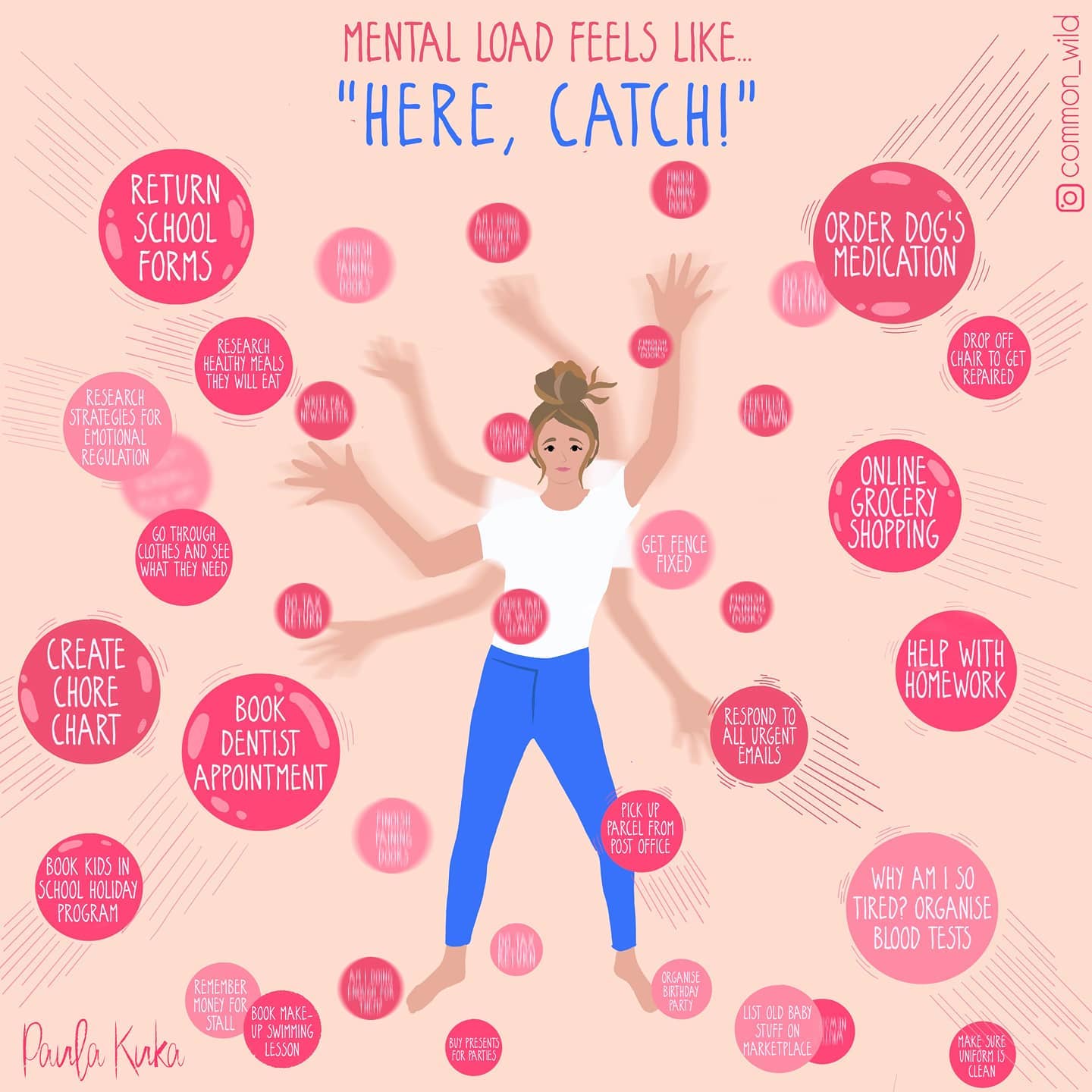
The “mental load” refers to the unseen cognitive and emotional work mothers perform daily: tracking tuition due dates, remembering medical appointments, planning ulam, managing household needs, and caring for both children and aging parents. For many Filipino mothers, this often extends to acting as the family’s emotional mediator, handling OFW remittances and even helping relatives financially.

The Impact:
When mothers are always “on,” they begin to feel like managers instead of people. A 2021 survey by the UP Center for Women’s and Gender Studies noted that in dual-income households, mothers still did most of the scheduling, planning, and caregiving—leading to burnout and emotional exhaustion.

How to Help:

  • Redistribute responsibilities: fathers, older children and other family members should be encouraged to take initiative —not wait for instructions —“magkusa”. Small tasks like making baon or following a weekly grocery list help ease the burden.
  • Validate the mental load: Just because it’s unseen doesn’t mean it’s not real. Acknowledge the planning, organizing and tracking that moms do.
  • Peer support groups: neigborhood or Barangay-based “Nanay Circles” or community meet-ups can offer space to offload stress and share solutions.

What It Is:
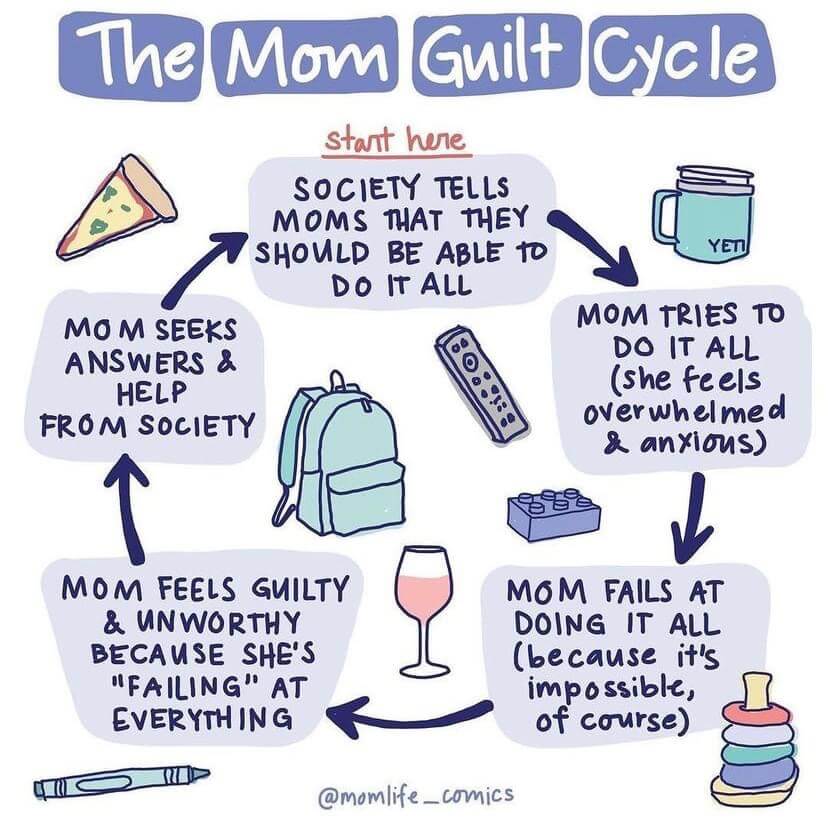
Filipino moms often feel torn between tradition and modern demands: to be both the nurturing ilaw ng tahanan and a financially contributing partner; to be hands-on with the children, but also a badass in the workplace. Social media fuels this pressure—picture-perfect homes, well-behaved children, and mothers who “do it all” can leave everyday IRL moms feeling “kulang” or guilty about the choices that they make.

The Impact:
Persistent guilt leads to low self-esteem and anxiety. In a PMHA counseling report from 2022, “mom guilt” was one of the top emotional concerns among women aged 25–45.

How to Help:

  • Encourage self-compassion: Replace harsh self-talk with kinder truths. Instead of “Palpak yata ang diskarte ko,” or “Ano pang kulang sa ginagawa ko?” remind yourself: “Ginagawa ko ang makakaya ko para sa pamilya ko.”
  • Limit comparison triggers: Unfollow pages that promote unrealistic standards and make you feel like you (or your life) is not enough. Curate your feed with authentic and supportive content (and evidence-based too!).
  • Professional help: Therapy can help mothers reframe internalized expectations, learn more coping and self-compassion strategies, and build resilience.

What It Is:
Though Filipino culture values close family ties and bayanihan, today’s mothers often feel emotionally isolated. Many live far from parents or friends, while solo parents or mothers with OFW partners must shoulder parenting alone. Many women may feel uncomfortable talking about their children or families at work, because they don’t want to be perceived as less capable of focusing on their career. Even those with help at home can feel unseen, unheard, and emotionally depleted.

The Impact:
Isolation increases the risk of postpartum depression, especially among first-time and single mothers. The DSWD has flagged emotional isolation as a concern for solo parent beneficiaries, citing loneliness, shame, and lack of emotional support.

How to Help:

  • Strengthen local networks: LGUs and local groups can host regular parenting workshops and wellness talks through barangay halls or health centers.
  • Leverage digital communities: Some mom forums and Facebook groups that offer real-time connection may be helpful
  • Check-ins and kamustahan: Partners and extended family members that ask mothers how they are—not just how the kids are—are opening the doors for communication and giving moms the feeling that they’re seen and heard.

What It Is:
In the Philippines, where many households live on limited income, mothers often juggle multiple roles: employee, side hustler, tutor, cook, and caregiver. Whether she’s selling online, working at a call center, or staying at home to avoid costly childcare, the pressure to contribute financially is relentless.

The Impact:
In a 2023 Pulse Asia survey, over 60% of mothers said “financial stress” was their primary concern. Meanwhile, women in low-income communities are more likely to experience depressive symptoms related to job insecurity and income instability.

How to Help:

  • Policy enforcement and expansion: Support full implementation of laws like the Expanded Maternity Leave Law and the Solo Parents Welfare Act (Official Gazette, 2019; 2022).
  • Financial counseling: Programs by DTI, TESDA, and local cooperatives should include mothers in livelihood trainings and budgeting workshops.
  • Employer flexibility: Promote compassionate leave policies, remote work options, and non-discriminatory work environments for mothers.

What It Is:
Mothers are expected to be strong, patient, and ever-giving. They absorb the emotional stress of the household—from the tantrums of toddlers to the health issues of in-laws—and are expected to do so silently. Concepts of “sakripisyo” are ingrained (and sometimes glamorized) through phrases like—“isusubo na lang, ibibigay ko pa sa anak” and “bawal magkasakit ang nanay”. These sum a common belief: her needs are always last.

The Impact:
When emotional labor is chronic and unacknowledged, mothers may experience emotional numbing, compassion fatigue, and mental health deterioration. Recent data from the National Center for Mental Health showed an uptick in calls from women citing “overwhelm” and “emotional exhaustion” as reasons for distress (NCMH, 2023).

How to Help:

  • Promote emotional awareness at home: Teach family members—yes, even young children—to recognize and regulate their emotions, so it doesn’t all fall on mom.
  • Encourage regular mental health check-ins: Whether through journaling, prayer, or therapy, mothers deserve emotional outlets too.
  • Make therapy accessible: Services like KonsultaMD and local clinics offer affordable options, many in Taglish or Filipino (e.g. KonsultaMD, Circle of Hope Kaloob Program, TMC).

A Closing Word: Honoring Mothers Beyond One Day

This Mother’s Day, let’s honor mothers not only for what they give, but also for what they carry. Acknowledge the emotional weight, the long hours, the quiet sacrifices. More importantly, let’s commit to sharing the load.

To every Filipino mother reading this: your work is sacred, your fatigue is valid, and your wellbeing matters. You are more than your roles. You are a person deserving of rest, joy, and support.

Maligayang Araw ng mga Ina. You are not alone.

References:

  • American Psychological Association. (n.d.). Stress in America™ Survey. https://www.apa.org/news/press/releases/stress
  • Department of Social Welfare and Development. (n.d.). Reports on solo parent beneficiaries and welfare support programs. https://www.dswd.gov.ph
  • National Center for Mental Health. (2023). Annual report on mental health hotline calls [Press release]. https://ncmh.gov.ph
  • Official Gazette of the Republic of the Philippines. (2019). Expanded Maternity Leave Law (R.A. 11210). https://www.officialgazette.gov.ph/2019/02/20/republic-act-no-11210/
  • Official Gazette of the Republic of the Philippines. (2022). Expanded Solo Parents Welfare Act (R.A. 11861). https://www.officialgazette.gov.ph/2022/06/04/republic-act-no-11861/
  • Philippine Mental Health Association. (2022). Annual counseling data and outreach reports. https://pmha.org.ph
  • Pulse Asia Research Inc. (2023). Public opinion poll on top concerns among Filipino families [Survey summary]. https://www.pulseasia.ph
  • TESDA (Technical Education and Skills Development Authority). (n.d.). Enriching and empowering women’s lives https://tesda.gov.ph/About/TESDA/111#:~:text=The%20TWC%20provides%20free%20competency,and%20Shielded%20Metal%20Arc%20Welding
  • The Asian Parent Philippines. (n.d.). Parenting advice for Filipino moms. https://ph.theasianparent.com
  • UP Center for Women’s and Gender Studies. (2021). Mental load and gender dynamics in Filipino households [Research report]. https://cwgs.upd.edu.ph
Categories
Blog Everyday Thriving General Thrive at Work Thrive in School

ADHD Diagnosis: Complexities and Caveats

The Philippines has made significant strides in mental health awareness, thanks to professionals, advocates, and service users’ efforts. Initiatives such as the Philippine Mental Health Act (R.A. 11036) and the recognition of the rights of psychosocial disabilities under the Magna Carta for Disabled Persons (R.A. 7277) have played pivotal roles in this progress. Advocacy groups are also pushing for legislation like the Neurodivergent People’s Rights Act (H.B. 9787).

Despite these advancements, stigma and misunderstanding surround neurodevelopmental disorders, particularly Attention Deficit Hyperactivity Disorder (ADHD). This is a developmental disorder characterized by patterns of hyperactivity, inattention, or a combination of the two. A diagnosis is given based on the severity of symptoms, level of impairment, and the presence of symptoms since childhood. Globally, ADHD affects 5-7.2% of youth and 2.5-6.7% of adults ,,; but Philippine figures are unfortunately scarce and outdated.

Consider a young boy in his Grade 1 classroom, labeled as “makulit,” “pasaway,” and even “bad,” while he struggles with symptoms of ADHD that go unrecognized. Similarly, imagine a woman in a bustling high-rise building, where her difficulties staying organized lead to exclusion from important email correspondences and social gatherings, all because her colleagues are unaware of her ADHD diagnosis.

Recognizing ADHD as a genuine challenge and not a character flaw, is vital for supporting individuals and dispelling misconceptions.This condition, when properly diagnosed, can be life-saving, paving the way for individuals to alleviate suffering and reclaim their power. But however well-intentioned, there is still a risk of overdiagnosis- an issue that is particularly prevalent in the realm of ADHD, but also within the realm of mental health diagnoses at large. Overdiagnosis can occur due to various factors, ranging from clinician practices to caregiver influences, but this often looks like overprescription of medications and unnecessary interventions. In the case of ADHD, changes in criteria in the

Diagnostic and Statistical Manual of Mental Disorders between its fourth and fifth editions have contributed to this concern- it added examples of symptoms seen in adolescents and adults, lessened impairment criteria, and revised the age of onset.

We must also remember that for children, a certain level of kulit is normal and developmentally appropriate. It is a quintessential part of childhood, after all — to dash around, create chaos, and indulge in one’s imagination. However, what distinguishes ADHD diagnosis is the severity and persistence of symptoms over time to the point that there is impairment.

Context also may play a role in facilitating overdiagnoses and misdiagnoses. While legislative progress and heightened awareness have improved access to care, our “digital by default” age has introduced new challenges, further complicating the diagnostic process for mental health disorders. For example, during the pandemic, the proliferation of misleading TikTok videos about ADHD posed a significant risk, as many individuals were facing attention challenges. A study revealed that over half of these videos were misleading, with non-healthcare professionals being the primary uploaders, potentially leading to widespread misinformation and self-diagnosis among their viewers.

On the other hand, many individuals may go undiagnosed until much later, their struggles well-masked by societal expectations and coping mechanisms. There exist gendered differences in the diagnosis of ADHD: boys are significantly more diagnosed with ADHD compared to girls due to differences in presentation. Girls with ADHD often exhibit the inattentive type, which may not manifest as disruptive behavior and consequently may be overlooked for treatment unless their symptoms significantly impact their daily functioning.

And with any diagnosis, whether physical or not, early intervention is crucial. Effective treatment during childhood can significantly improve symptoms and overall functioning, leading to better outcomes. Unfortunately, if left untreated until adulthood, ADHD can result in chaotic lifestyles, other co-occurring mental disorders, and challenges in various aspects of life.

The journey towards an ADHD diagnosis can be unexpectedly complex. For individuals who resonate with ADHD symptoms, every step of the way demands cautious decision-making. It is crucial to be discerning with the information you consume and the healthcare providers that you trust. Ensure that they are equally diligent.

Self-reflection is also essential. Clarify your “why” behind seeking a diagnosis—It could be that receiving ADHD treatment might help you lead a much more fulfilling life. It could also be that you want relief from years of overcompensation. Whatever your “why” is, seeking a comprehensive assessment is essential in this process to tailor-fit treatment to your unique brain. It is not a one-size-fits-all diagnosis, however general the diagnostic manual may make it appear to be; a detailed picture of how your mind works, pinpointing your strengths and challenges, will help specify what you need.

Seeking consultations from various professionals, such as clinical psychologists and psychiatrists, can offer valuable insights and interventions for managing ADHD. Therapy is a crucial component of tailored interventions—it provides individuals with a safe space to learn more about themselves, as well as equips them with essential skills and strategies to cope with their symptoms. Additionally, executive function coaching can further empower individuals with ADHD to navigate daily challenges effectively and achieve their goals. Executive function coaching focuses on enhancing skills like organization, time management, and task prioritization- these are skills that are often affected by ADHD symptoms. By addressing these areas, your quality of life may be significantly enhanced.

Despite the leaps and bounds in mental health perceptions, access, and service delivery, there is still much work to be done. Whether for ourselves or others, there is no time like the present to advocate for better education on mental health concerns like ADHD. Indeed, it is an ongoing journey to challenge misconceptions, develop discernment, and embrace the complexities of these issues. However, it is essential to see the merit in all this effort, to recognize that finally receiving the proper help can save lives. By advocating for improved access to accurate diagnosis and comprehensive treatment, we can empower individuals with ADHD to finally thrive in their communities.

For Executive Functioning (EF) coaching and other clinical services, contact us at clinic@wethriveinc.com.

Sources:

https://lawphil.net/statutes/repacts/ra2018/ra_11036_2018.html
http://hrlibrary.umn.edu/research/Philippines/RA%207277%20-%20Magna%20Carta%20of%20Disabled%20Persons.pdf
https://hrep-website.s3.ap-southeast-1.amazonaws.com/legisdocs/basic_19/HB09787.pdf
Posner J, Polanczyk GV, Sonuga-Barke E. Attention-deficit hyperactivity disorder. Lancet. 2020;395(10222):450–462. doi: 10.1016/S0140-6736(19)33004-1.
 Song P, Zha M, Yang Q, Zhang Y, Li X, Rudan I. The prevalence of adult attention-deficit hyperactivity disorder: A global systematic review and meta-analysis. Journal of Global Health. 2021;11:04009. doi: 10.7189/jogh.11.04009.
Thomas R, Sanders S, Doust J, Beller E, Glasziou P. Prevalence of attention-deficit/hyperactivity disorder: a systematic review and metaanalysis. Pediatrics. 2015;135(4):e994–e1001. doi: 10.1542/peds.2014-3482.
 Merten, E. C., Cwik, J. C., Margraf, J., & Schneider, S. (2017). Overdiagnosis of mental disorders in children and adolescents (in developed countries). Child and adolescent psychiatry and mental health, 11, 1-11.
Substance Abuse and Mental Health Services Administration. DSM-5 Changes: Implications for Child Serious Emotional Disturbance [Internet]. Rockville (MD): Substance Abuse and Mental Health Services Administration (US); 2016 Jun. Table 7, DSM-IV to DSM-5 Attention-Deficit/Hyperactivity Disorder Comparison. Available from: https://www.ncbi.nlm.nih.gov/books/NBK519712/table/ch3.t3/ 
American Psychiatric Association. (2022). Neurodevelopmental disorders. In Diagnostic and statistical manual of mental disorders (5th ed., text rev.).
Yeung, A., Ng, E., & Abi-Jaoude, E. (2022). TikTok and attention-deficit/hyperactivity disorder: a cross-sectional study of social media content quality. The Canadian Journal of Psychiatry, 67(12), 899-906.
Bruchmüller, K., Margraf, J., & Schneider, S. (2012). Is ADHD diagnosed in accord with diagnostic criteria? Overdiagnosis and influence of client gender on diagnosis. Journal of Consulting and Clinical Psychology, 80(1), 128–138. https://doi.org/10.1037/a0026582 
 Ginsberg, Y., Quintero, J., Anand, E., Casillas, M., & Upadhyaya, H. P. (2014). Underdiagnosis of attention-deficit/hyperactivity disorder in adult patients: a review of the literature. The primary care companion for CNS disorders, 16(3), 23591.