
Categories
Blog Everyday Thriving Wellbeing Practices

Eating to enrich life: understanding and responding to emotional eating

In We Thrive, we work with people becoming their best selves by working with different aspects of who they are. There are the big-picture things: our sense of purpose, for example, which in Dr. Gabrielle Pfund’s research is composed of things such as how our future plans match our interests, how engaging we feel life is as a whole, and so on (Psychology Today, 2023). But there are also the big things when you zoom into that picture: the finer details of life, emerging from moment to moment, which compose the movements towards what we want life to be. These include the patterns of our thoughts, emotions, and behaviors, but also the things which give us the energy to, well, move. Specifically, we get this energy through food, “a fundamental human need that influences both physiological and emotional states” (Hamburg, Finkenauer, & Schuengel, 2014). Nutrition looks different from person to person, but generally speaking, the task of ascertaining life’s movement can be more difficult than it has to be when our bodies aren’t getting the food and drink it needs (MSD Manual, 2023). And as we’ve probably all experienced, those aforementioned patterns of thought, emotion, and behavior can lead us into patterns of eating that can deprive rather than enrich us. In this article, we will talk a bit about what such a pattern of eating is; how we might end up moving in this direction; and what we can do to direct, rather than be directed by, our eating habits.

What is “emotional eating”?

Eating is, as nutritionist Amelia R. Sherry puts it, “an intrinsically emotional experience” (Psychology Today, 2022). Hamburg, Finkenauer, & Schuengel expressed this intuition in concrete terms: “eating behavior goes beyond nutrition and alleviating hunger; family, friends, and cultural heritage shape individual food preferences” (Hamburg, Finkenauer, & Schuengel, 2014). All of life, both the pleasant and the unpleasant, is threaded with the experience of eating. So the term “emotional eating”, while widely used, does not necessarily give us the clearest idea, and might also give the wrong impression that eating in response to our feelings is necessarily a bad thing. Choosing to eat can be a perfectly reasonable way of grounding us, whether by supplementing our present positive emotional states, reliving a positive memory associated with certain foods, or dealing with the occasional difficulty (Rachael Hartley Nutrition, 2016).

The difference between “good” or “bad” emotional eating is in the word “choice”. Whether responding to our emotions by eating deprives or nourishes us depends on the intentions we have (or haven’t) set when we eat. Besides determining how nutrient-dense our diets are, how do we clarify our intentions with eating? Here are some helpful guide questions:

  • How aware are we of the reasons why we choose a particular food at a particular time?
  • Are we eating in a way that aligns with a particular goal we have, such as a health goal?
  • When faced with stressful situations, have we considered whether there may be better ways of coping or resolving these situations other than with food? 
  • To what extent do we actually savor or enjoy the food we are eating, when we do choose to eat at that moment?
  • As a whole, does our experience of eating delight us, or leave us with a lingering sense that something is not quite right?

What moves us towards “eating emotionally”?

“Emotional eating” is also known by at least two other names: “stress eating”, and “comfort eating”. These terms might be preferable, because it gives a better sense of the context in which these patterns of eating emerge. At the minimum, when people use the term “emotional eating”, they are generally referring to food intake as a means of grounding us when we feel overwhelmed, disrupted, or out-of-balance — in other words, eating as self-soothing (Psychology Today, 2023). If, while going through the guide questions, you realize that the intent of your emotional eating appears to be mostly about self-soothing, then you may be emotional eating in a way that might not be serving your best interests long-term. But this happens to almost everyone, and it is not necessarily about willpower. The research of Dr. Tatjana Van Strien found at least three determinants for emotional eating (van Strien, 2018):

  • Poor interoceptive awareness. This means a person has difficulty distinguishing feelings of hunger and satiety, which can lead to difficulties with determining whether one has eaten too little or too much. For example, this can be due to dietary factors such as regularly eating foods that are high in sugar, which can exacerbate hunger because of the rapid increases in blood glucose (Penaforte et al., 2013).
  • Poor emotion regulation strategies. This means, for example, that a person becomes over-reliant on a particular coping mechanism (in this case, food) to deal with stressful situations. It can also mean that emotional eating becomes the result of an inappropriate coping mechanism, such as when avoidance of stressful situations ultimately leads to more of the stress occurring later on, making one more likely to rely on emotional eating.
  • Disruption of the hypothalamic-pituitary-adrenal (HPA) axis. Among other things, the HPA axis is responsible for regulating appetite. Under normal circumstances, the stress response would be a loss of appetite, but due to various factors (e.g. incredibly stressful experiences, childhood trauma, abuse, or other underlying health conditions affecting the HPA axis), this is reversed and the stress response instead leads to increased appetite.

Keeping these three in mind, we can reflect on a few more questions:

  • What might be causing your urge to eat at a particular time? Is it because of what or how you may be used to eating? 
  • What difficult or stressful situations are you currently experiencing that may be better served by something other than food?
  • Aside from providing nutrition or sustenance, in what ways has food been present in your life growing up? Did you have an abundance of food or a scarcity of it? 
  • When you think of food, what memories are usually associated with it? Were there certain negative and possibly intense experiences in your life which food used to help you get through?

How do we direct our eating?

Eating plays a vital role, not just in the maintenance of regular bodily functioning, but in our journey towards living a purpose-driven life. But eating can either deprive us or enrich us with the energies, both physiological and psychological, necessary to live out such a life. So how do we eat in a way that is more enriching? Depending on your answers to the questions mentioned earlier, co-authors Dr. Gia Marson and Dr. Danielle Keenan-Miller offers some ideas for how best you can set the direction for the way food moves your life (Psychology Today, 2023):

  • Acceptance. This means becoming more accepting of your body and how it reacts to food. This means less judgment, which often leads to guilt and shame, and more kindness, which can lead you to a better sense of how the food actually feels for you.
  • Awareness. This means tuning into the emotional nature of eating and noticing what kinds of emotions emerge alongside the desire to eat.
  • Avoid reacting impulsively. This means when difficult and negative emotions emerge, as they do in emotional eating, we take a pause rather than immediately reaching out to food as we have habituated ourselves. This will give you some room to consider how else you might be able to respond to these emotions.

For mental health support services, email us at resilientteams@wethrivewellbeing.com or sign-up for sessions with our mental health clinicians.

References:

  1. https://www.psychologytoday.com/us/blog/fulfillment-at-any-age/202305/what-gives-your-life-a-sense-of-purpose 
  2. https://www.msdmanuals.com/home/disorders-of-nutrition/overview-of-nutrition/overview-of-nutrition 
  3. https://www.ncbi.nlm.nih.gov/pmc/articles/PMC3907771/ 
  4. https://www.psychologytoday.com/intl/blog/positive-food-parenting/202212/when-emotional-eating-can-be-normal-and-even-healthy 
  5. https://www.rachaelhartleynutrition.com/blog/2016/11/emotional-eating-is-okay 
  6. https://www.psychologytoday.com/us/blog/the-binge-eating-prevention-plan/202301/emotional-eating-is-all-about-emotions-or-is-it 
  7. https://www.ncbi.nlm.nih.gov/pmc/articles/PMC5918520/ 

https://www.ncbi.nlm.nih.gov/pmc/articles/PMC3627933/
Categories
Blog

Coming out as a starting point for authenticity

In We Thrive, cultivating “authenticity” is a core component of our work. That said, there is vibrant debate across various disciplines over what exactly it is: for example, is authenticity something that is always there and waiting to be “discovered”, something that “emerges” through our various experiences, or some magnificent combination of both? (Psychology Today, 2023) But as a working definition, we can think of authenticity as a process of making the “whats” and “hows” of life work in tandem with the “whys” of life. Adding some specificity, it is the extent to which we are “consistent” (i.e. ensuring “external characteristics” and “internal values” match); are in “conformity” (i.e. ensuring life’s broad strokes meet whatever standards we set for ourselves); are able to “connect” (i.e. how our relationships to a place, a community, or historical milieu align with our sense of self); and have “continuity” (i.e. how much of our sense of self changes or is retained over time) (Dammann, Friederichs, Lebedinski, and Liesenfeld, 2020). Put more succinctly, authenticity “requires us to embrace the reality of our freedom and be responsible for how we choose to live” (Sutton, 2021). To be able to live a life that is consistent, in conformity, is connected, and has continuity, we must exercise an awareness of life’s movements and, to the extent possible, ensure that these movements work in harmony.

Whenever Pride Month rolls in every June, the idea of “authenticity” inevitably comes up. For LGBTQ people, one marker often used to evaluate whether we are living authentically is disclosure of one’s sexual orientation and gender identity (SOGI) — that is, “coming out”. Many LGBTQ people see coming out as a cornerstone to the lifelong task of embracing this responsibility over life and maintaining the harmony of life’s hows and whys. And wonderful as it might be, and as important as it is in our collective imaginations, it needs to be said that it is not the end-all and be-all of authenticity as an LGBTQ person. You do not have to be “out” in order to be true to yourself. So the intention here is not to give undue privilege to coming out, but to ask what coming out might contribute to our own journeys of living authentically. 

Ultimately, it is on each of us to pay attention to what life is specifically asking from us — to “listen to those messages”, as the therapist Andrea Matthews explains, “listening long enough and deeply enough to really suss out the most essential parts and then begin to act as needed” (Matthews, 2023). Whether coming out is what life demands of us in the present is on us to ascertain, and with much necessary struggle. But thankfully, that difficulty is at least a good sign: as the professor of psychology Dr. Stephen Joseph puts it: “the most authentic people, because they know themselves so well, recognize their struggles in living authentically” (Joseph, 2020).

Even if life does ask this from us, coming out can be deeply frustrating. We may have to come out in bits and pieces: to one friend but not another, with a sibling but not necessarily with a parent, and so on. In these scenarios, LGBTQ people can be caught up in an exhausting balancing act of shifting between one’s “personas” from one context to the next.

We may feel unable to come out at all because of what may be real risks to our wellbeing and safety, whether that be threats of violence or serious disruptions of important relationships such as those in our families or religious communities. We may even struggle with “coming in” — that is, recognizing and accepting oneself as LGBTQ — whether because of internalized negative ideas about being LGBTQ (e.g. “LGBTQ people are promiscuous”), perceived conflicts with core beliefs (e.g. “same-sex relationships are sinful”), and any number of barriers to our ability to embrace our unique experience of SOGI.

Whatever the case, our response to our circumstances must have at least two features: a loving-kindness; and a gentle recognition that these struggles allow us opportunities for renewal that can surprise us in the way it moves us closer to authenticity than our preconceived notions of coming out ever could.

Speaking of renewal, like other aspects of life, our experience of SOGI is always undergoing this process: we learn more about the nature of our attraction to others; who we are as men, women, or some other gender category; and what influences how we respond to relationships. For example, while the rule of thumb is that sexual orientation is generally stable over a lifetime, some very clever research has shown it can also display a good deal of fluidity, such as in studies that looked at differences in its expression based on birth sexes (Mock and Eibach, 2012) or specific timescales (Diamond, Dickenson, and Blair, 2016). This fluidity is also the case for gender identity (Katz-Wise, 2020), and is readily seen both historically and in the present time both in our own culture and in the surrounding cultures of Southeast Asia (Peletz, 2006). Such fluidity is undoubtedly fascinating in and of itself. But more importantly, it raises many points of reflection: for example, how much of our experience of authenticity is invested in our experience of SOGI, given its potential fluidity? (This question certainly applies to many other areas of life!) Applying this question to coming out: how much of the movements of life — our aspirations, beliefs, talents, interests, and capacities for truth in our relationships — is invested in our coming out, given how fluid coming out can also be?

There are many ways we can break this question down further. But as a starting point for what is ultimately a lifelong process, we can briefly apply some practical points of reflection on authenticity offered by the clinical social worker Zahara Williams:

  • Does coming out allow you to be “in tune with your values and passions”? For example, is being more open about your SOGI directed towards your personal commitment to the principle of honesty? Or does being more open about your SOGI also translate to being more open to embracing interests and desires which norms surrounding gender and sexuality would otherwise stop you from pursuing?
  • Does coming out contribute to a feeling of “being fulfilled?” For example, would being more open about your SOGI open up avenues in your life that allow you and others a fuller experience of who you are and what your life has to offer?
  • Does coming out help you “navigate life with purpose?” For example, would greater honesty about your experience of being an LGBTQ person allow you to act with more honesty about what you want out of life?
  • Is coming out for you “prioritizing what brings you peace”? For example, would disclosing your SOGI, whether or not this is initially difficult or distressing, ultimately give you the peace of mind you need to move through life with more ease and without so many considerations of people’s responses?
  • Does coming out give you more “tenacity and flexibility?” For example, would facing the challenge of coming out as LGBTQ embolden you to face courageously all the other challenges life offers you? (Psych Central, 2022)

To emphasize a previous point, coming out is a “lifelong process”, and our answers to the questions like what gives us a sense of fulfillment or peace are themselves very fluid. You may have also discovered that there were just as many other questions as there were answers which emerged. Perhaps while looking back at your own experience, as I did while writing this article, you realized that there was a time before coming out where the various affections of life came less naturally then than it does now. You may also have noticed that, despite the very real difficulties that entered into life as a result of coming out, there also came very real joys. And perhaps there were things which you would not expect to be at all related to disclosing one’s SOGI — in my case, these were my renewed religious pieties and an enthusiasm for sports — which now have such a profound influence on the movements of your life after coming out.

If these questions seem difficult, that is because they are. But as we see from some of these questions, coming out can be a starting point for a fuller experience of life’s truths. Using the components of authenticity identified earlier on: does coming out allow us to direct the movements of life in ways that allow us to live a life that manifests consistency, conformity, connection, and continuity? Whether or not we choose to come out, what is important is that we are able to exercise that sensitivity to the movements of life so that we are able to be true to ourselves in the present moment.

Whatever the case, We Thrive aspires to be your ally. Whether it’s about coming out, navigating your relationships with others, and figuring out how your SOGI fits into other aspects of life in a beautiful way, we want to be with you in your journeys.

To learn more about how our different activities and programs can contribute to your wellbeing as an LGBTQ person, email us at resilientteams@wethrivewellbeing.com.

References:

  • https://www.psychologytoday.com/us/basics/authenticity
  • https://www.frontiersin.org/articles/10.3389/fpsyg.2020.629654/full
  • https://positivepsychology.com/authentic-living/
  • https://www.psychologytoday.com/us/blog/traversing-the-inner-terrain/202305/how-to-live-an-authentic-life
  • https://www.psychologytoday.com/us/blog/what-doesnt-kill-us/202007/are-authentic-people-more-mindful
  • https://pubmed.ncbi.nlm.nih.gov/21584828/
  • https://www.health.harvard.edu/blog/gender-fluidity-what-it-means-and-why-support-matters-2020120321544
  • https://psych.utah.edu/_resources/documents/people/diamond/Stability%20of%20sexual%20attractions%20across%20different%20timescales.pdf
  • https://www.jstor.org/stable/10.1086/498947
  • https://psychcentral.com/lib/ways-of-living-an-authentic-life
Categories
General

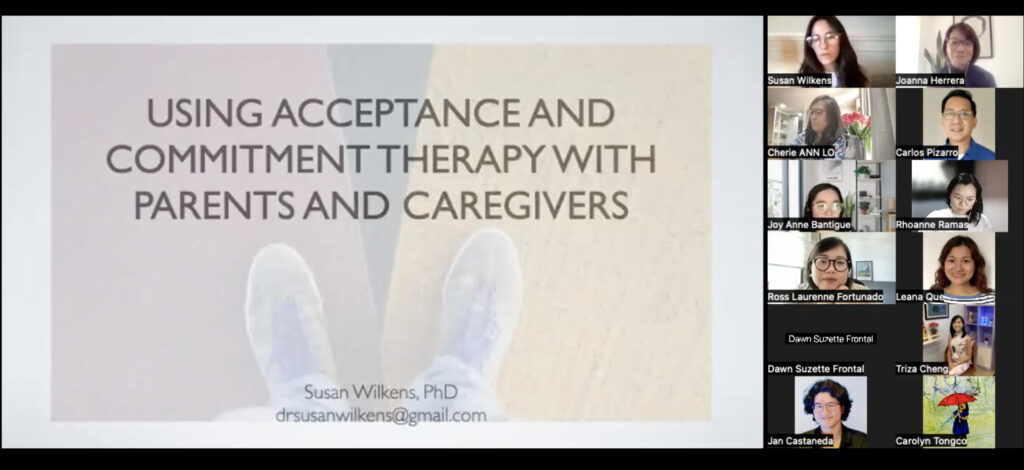
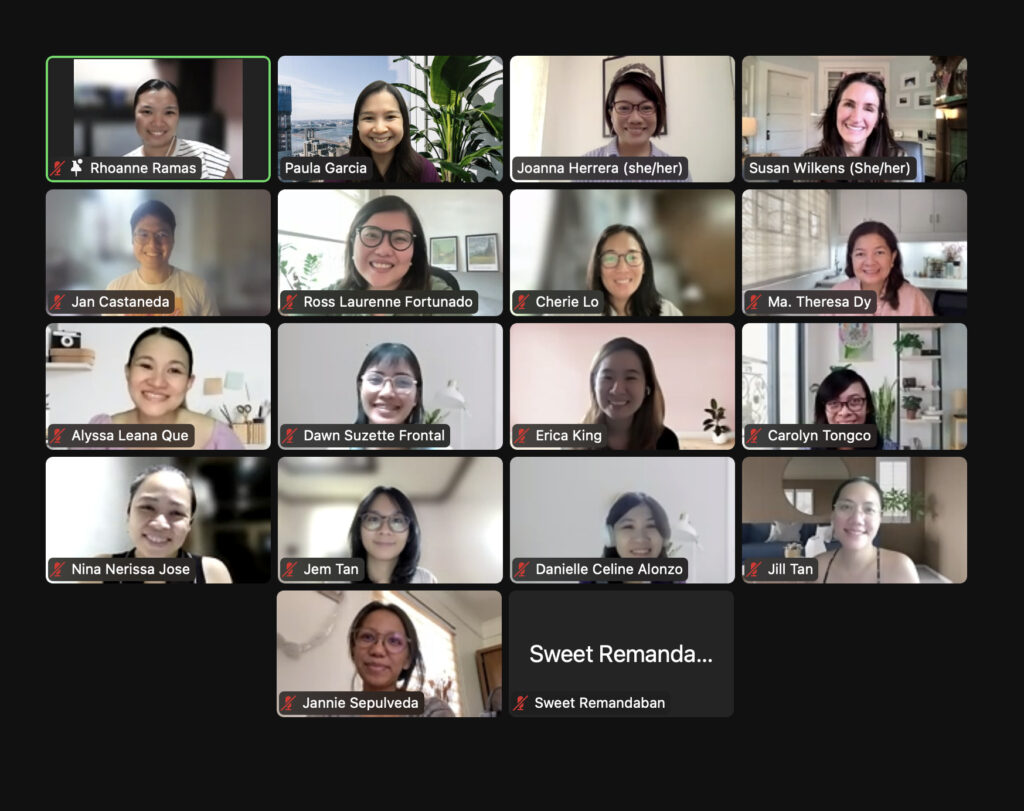
We Thrive Clinicians finish ACT training series with Dr. Susan Wilkens

Last Wednesday May 3, 2023, We Thrive clinicians wrapped up their Acceptance and Commitment Therapy (ACT) Training Series with Susan Wilkens, PhD entitled “Using ACT with Parents and Caregivers”.

The training series was conducted via zoom and comprised of four once a month sessions from February to May. Some of the topics covered were basics of ACT, psychological flexibility, mindfulness and acceptance, commitment and action, case conceptualization and case application.

The We Thrive team sends our gratitude to Dr. Wilkens for sharing her time and expertise with us!

Categories
Blog Everyday Thriving Thrive at Work Thrive in School

Helping Out a Friend Through a Mental Crisis Using ALGEE

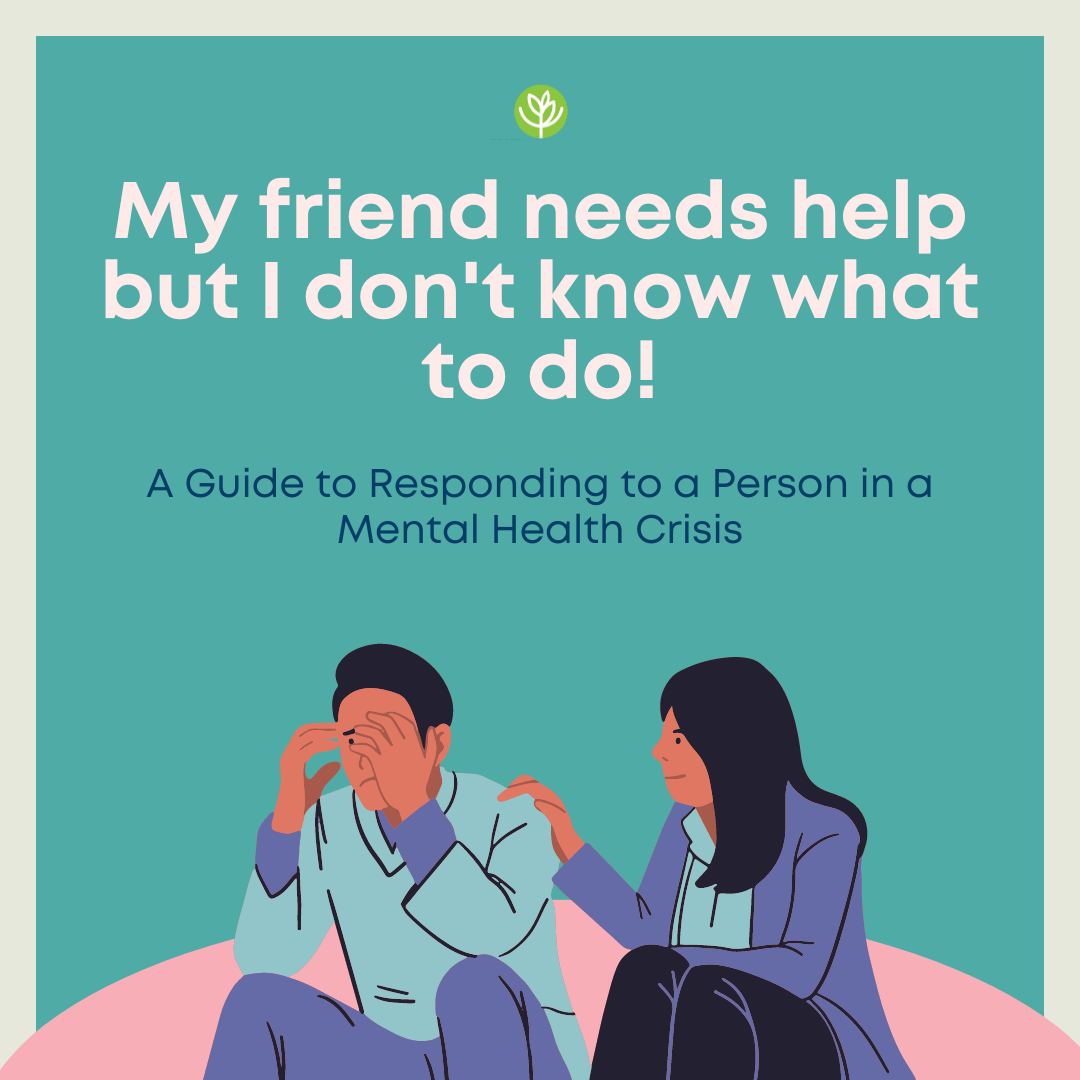
Have you ever heard of the statement “That’s what friends are for”? It implies the role of a friend as someone you can count on to help you out. So when a friend reaches out and opens up about a problem, it seems natural to listen, comfort, and support them as best as you can. But there are times when you may not feel confident enough to help them. You may feel like you don’t understand the problem very well because you have not experienced it, or you have probably dealt with a similar problem before but could not understand why your friend is struggling with it. Sometimes, the idea of saying something wrong and making things worse for your friend is daunting in and of itself. Fortunately, there is one way for you to help your friend in times of mental distress.

So how can I help my friend out?

Like with medical concerns, you can provide first aid for mental health concerns.

Mental Health First Aid (MHFA) is done to help someone experiencing a mental health crisis when professional help is not yet available. ALGEE is a tool that is used to provide MHFA. It won’t teach you how to become your friend’s personal therapist, but it will help you provide them with the support they need to cope with what they are going through in that moment of crisis.

ALGEE is an acronym that stands for the following: Assess for risks of suicide or harm; Listen without judgment; Give reassurance and information; Encourage appropriate professional help; and Encourage self-help and other support strategies.

How do you use ALGEE?

ALGEE can be done in any order, depending on what you think your friend needs at the moment. Below is an overview of how you can approach and what you can expect to happen in each step. 

1. ASSESS for risk of suicide and harm

This step involves observing for any signs that would tell that a person is in distress. Such signs can be a sudden change in behavior or an unusual reaction to a particular topic or situation. You should also be alert to mentions or jokes of your friend contemplating suicide, as well as self-harm behaviors such as cutting, engaging in excessive substance use (such as alcohol, cigarettes, or drugs), or doing risky activities that can harm them physically.

If you find out that your friend is actively hurting themself or has plans to commit suicide, then it is important to persuade them to get help as soon as possible.

2. LISTEN without judgment

People who are in distress want to be heard. That’s why it is important to give them the opportunity to say what they want to say uninterrupted. Keep an open mind about what they are saying, even when you do not agree with them. Avoid making speculations or giving advice, unless your friend specifically asks for your opinion on the matter.

Show that you are actively listening by keeping an open and receptive body posture (that is, arms and legs uncrossed and palms resting comfortably on the lap or desk) and maintaining eye contact. You can also make appropriate verbal responses to show that you understand and follow what they are saying. Responses may be in the form of reinforcements (“I see.” or “Uh-huh.”), acknowledgements (“That’s tough.” or “I can imagine how confusing it is to be in that situation.”), questions (“What did you do to cope with that situation?”), and reflections (“This is what I heard from you. Am I understanding it correctly?”). If you’re talking with your friend through text or chat, you may need to rely more on verbal responses to better understand each other.

3. GIVE reassurance and information

In an effort to cheer your friend, you may sometimes find yourself telling them that everything will be okay or that they can do things if they only believe in themselves. However, people in distress may feel so overwhelmed and hopeless that they cannot see their situation improving or believe that they can act on their problems. To give reassurance, you need to make them see the possibility. You can do this by providing evidence and information. Are there ways to deal with their problem that they may not have thought of? Have there been situations that contradict a negative thought that’s been running through their mind? Helping them find evidence that there are things that can be done is an effective way of instilling hope in them.

There may be times when your friend thinks that undesired feelings or behaviors, such as lashing out at other people or being too afraid to speak in public, are their fault. However, such feelings or behaviors may actually be symptoms of a particular mental illness or of significant distress that could lead to a mental illness if untreated. Thus, it is important to emphasize that mental illness is real and the symptoms they are experiencing can be treated with the right help.

4. ENCOURAGE appropriate professional help

The earlier your friend gets help, the more likely they can recover. Find out what kind of support your friend needs at the moment and help them find professionals, agencies, organizations, or institutions that can make things a little easier for them.

If they need psychological help, there are various mental health services and programs available. Some universities and organizations offer free therapy sessions, although they may be limited in terms of slots or the number of sessions that can be availed. For long-term and more intensive help, paid therapy sessions in clinics and hospitals may be necessary. You can check out the directory of mental health facilities in the country created by #MentalHealthPH here. Additionally, 24/7 crisis lines come in handy whenever there is a need to overcome a mental crisis or to prevent a suicide attempt. A list of these hotlines can be found here. Regardless of whether payment is involved, simply being able to attend therapy is already a huge step towards healing.

5. ENCOURAGE self-help and other support strategies

Mental health services aren’t always available, and this can be a problem when your friend experiences a panic attack or suddenly feels overwhelmed by suicidal thoughts. Knowing how to deal with these emergencies helps them develop the skills to cope with crises on their own. Coping strategies such as breathing, grounding, and self-soothing techniques are useful during panic attacks. Utilizing tools for mindfulness and emotion regulation also helps practice control and lessen chaotic situations caused by outbursts. Exercising, spending time with friends and families, and engaging in hobbies and other recreational activities can help improve one’s quality of life. For some mindfulness breathing exercises, you can check out Circle of Hope’s Hingalangin videos on their Facebook page.

To see a demonstration of ALGEE, you can watch this roleplay video on YouTube.

Are there things I should consider when using ALGEE?

As a mental health first aid tool, the main purpose of ALGEE is not to diagnose your friend or solve their problem, but to help determine their needs and provide appropriate support. While your closeness can help your friend be more comfortable opening up to you, it is important to always be objective, express empathy, and abide by the principle of “Do no harm.”

Here are ways that you can do this.

  1. Keep what is said confidential, unless help from other people is necessary.

It takes courage for a person to open up about their struggles. Some people refuse to share what they are going through for fear of exposing themselves to the wrong people. Reaching out to you means that they trust you to keep what they have said only to yourself. Before going through ALGEE, it is best to set up a time and a place to talk to your friend privately. This will give your friend a chance to be vulnerable in a safe space. However, keep in mind that if there is a high risk that your friend would commit suicide, ensuring their safety by asking for help from other people and authorities is necessary.

  1. Do not force your friend to share their problems with you.

Sometimes, people are just not ready to talk about their problems. If your friend outright tells you that they do not want to talk, do not force them to. Instead, encourage them to talk to someone that they trust or assure them that you are available to listen to them whenever they are ready. You can also simply ask them what they need at the moment. Show them that there is someone who is willing to listen and help, and they have the option to choose who or when they seek help.

  1. Refrain from invalidating them or trivializing what your friend is going through.

Some people keep their worries to themselves because they believe that no one would hear them out or make the effort to understand them. When your friend opens up to you, listen well and try to see the situation from their perspective. If there are things they said that you do not agree with, do not reject or dismiss what they are feeling or thinking about. If you think that their problems are too simple, remember that every person is affected by situations differently. What may be easy for you may be too much for them. Likewise, if you have experienced a similar problem and have resolved it successfully, take note that what may have worked for you may not work for them. Thus, when providing help and support, consider their strengths and weaknesses.

  1. Give your friend the control that they need through options.

One of the reasons why people usually feel distressed is because they feel that they cannot control their situation. Thus, if solutions are imposed on them, the feeling of having a lack of control will increase. If you have a solution in mind, ask first if they are open to hear advice. If they are, assure them that your advice is simply a suggestion and is open to modifications until they find one that they are comfortable with.

  1. Improvise, adapt, and overcome.

There are times when it can’t be helped to expect something from your friend or from the situation. However, it is important to be open to the possibility that things may not go your way. Something may keep your friend from getting help despite your agreement or keep the situation from improving as you both hope. Identify the challenges, seek alternatives, and try again. And remember, it’s okay to make mistakes!

  1. Watch out and prepare yourself for compassion fatigue.

While being there for a friend during their toughest times is admirable, there are times when their problems, emotions, and negative thoughts can get to you too. When you feel overwhelmed with helping your friend or are starting to feel affected by what they’re going through, you may be experiencing compassion fatigue. It is important to be mindful of the symptoms of compassion fatigue and to prepare yourself to prevent it or address it when it comes. Remember to take a break if you have to and to take care of yourself first every once in a while. It’s also important to not be too hard on yourself if things don’t go as well as you hope. If your friend deserves compassion, then don’t you deserve some as well? You can practice some self-compassion exercises to help you combat compassion fatigue.

Using ALGEE is a great way to create a mental checklist of what you can do to help out a friend during a mental crisis. However, this does not mean that you have to strictly abide by it or be overly concerned if you skip a step. The most important thing about helping a friend is being there for them and showing them that you care.

References:

  • Altta Wellbeing. (2019, September 30). ALGEE – 5 letters, 1 life saved every time. https://wellbeing.altta.co.uk/algee/
  • Jorm, A. (2016). Key Elements of Mental Health First Aid. Alan J Fisher Centre for Public Mental Health. http://cpmh.org.za/wmhd/wp-content/uploads/2016/08/Key-Elements.pdf
  • Martinelli, K. (2023, February 20). How to Support a Friend With Mental Health Challenges. Child Mind Institute. https://childmind.org/article/support-friend-with-mental-health-challenges/
  • Mental Health Foundation. (n.d.). How to support someone with a mental health problem. https://www.mentalhealth.org.uk/explore-mental-health/articles/how-support-someone-mental-health-problem
  • Thurrott, S. (2021, June 11). Watch for These Key Warning Signs of Compassion Fatigue. Banner Health. https://www.bannerhealth.com/healthcareblog/teach-me/watch-for-these-key-warning-signs-of-compassion-fatigue
Categories
Blog Everyday Thriving General

The Fawn Response: How Pleasing and Appeasing Patterns Impact Women’s Wellbeing

“Perhaps the biggest tragedy of our lives is that freedom is possible. 

Yet each day we listen to inner voices that keep our life small.”

Tara Brach

As we faced frightening and stressful times during the pandemic many of us became familiar with the vocabulary of fight, flight, and freeze responses to stress and trauma. When a threatening situation arises, our nervous system sets off an automatic response toward safety and protection. This process happens unconsciously, without us having to think or be intentional about it, with the goal of survival being the immediate priority. The brain prepares the body to deal with the threat in different ways: to engage with it aggressively (fight), to run away or avoid it (flight), or to shut-down and numb the pain if the danger is deemed to be insurmountable (freeze).  In our modern world, these stress reactions are mostly triggered by emotional or social threats such as our fear of failure, loss of control, rejection, abandonment, and feelings of worthlessness. Although useful and necessary for coping with real danger, being chronically caught in the habit of these defensive responses severely compromises our physical and mental health. 

The fawn response is a lesser known stress and trauma response mechanism that deserves much more attention than it gets. Natureza Gabriel Kram, in his book Restorative Practices of Wellbeing (2021), describes the fawn response as a survival structure that utilizes our capacity for connection to disarm a threat. It usually emerges in contexts where the source of danger is someone we are intimately connected with. In these circumstances fighting, fleeing, or freezing would not have achieved our adaptive goals either because the threatening figure is someone we depend on for our survival or that using a more overt defensive response would have worsened the potential harm. A lot of times the fawn response gets reinforced early in life as a way of coping with emotionally unavailable, critical, or abusive caregiving. In the absence of supportive and empowering connections, young children may become hyper-focused on pleasing parents and caregivers by being sensitive to their distress and taking care of their emotional needs. 

Dr. Arielle Schwartz characterizes the fawn response as a pattern of pleasing and appeasing behaviors aimed at taking care of the needs of the aggressor in order to diffuse danger. It’s a rather sophisticated process that taps into the social engagement system, manifesting in different forms of accommodation that serve to befriend an aggressor in order to ensure one’s safety. In a broader sense, we could be dealing not only with physical aggression but as is often the case, our safety could be undermined by emotional threats—being harshly criticized or put down, shamed, rejected, and dismissed.  The fawn response gets activated to manage these threats. Fawning behaviors commonly manifest as being overly agreeable or helpful; never being able to say no; constantly prioritizing the needs and happiness of the other over one’s own; and forfeiting one’s boundaries, rights, and needs to avoid being attacked or shamed. Perhaps not surprisingly, the fawn response has been observed to be more common in women than in men. Evolutionarily, women have had to defend themselves against male aggressors. However, fighting, escaping, or shutting down might not have been viable responses because they had children to protect and care for. Therefore, it became a matter of necessity for women to engage in a survival strategy that disarms aggressive and controlling male figures by turning toward them and by being over-accommodating  to their needs.    

As we can see, the fawn response can become a very deeply embedded behavioral pattern which patriarchal societies have culturally entrained.

Pleasing and appeasing behaviors have become implicit expectations in females, preserving the status quo of inequitably distributed power and resources that favor men. The perpetuation of fawning patterns has immense ramifications on women’s lives. Being brought up in families and communities where females are rewarded for fawning has kept our lives smaller than the horizon of opportunities that we deserve. 

Psychologically, the consequence of fawning is that it leads us to abandon ourselves. We lose clarity about who we are and disconnect from our truth. Although fawning behaviors may appear functional and even socially desirable from the outside, on the inside what is really going on is a persistent bypassing of our internal signals.  While we can project an image of adapting well to external demands, our nervous system is actually in a vulnerable state of threat because we don’t feel safe to be our authentic self. Beneath the surface, we are constantly experiencing stress from the invalidation of our true needs and desires. Women’s physical and mental health are believed to be negatively impacted by the habituation of the fawn response. World-renowned physician and trauma expert Dr. Gabor Maté in his book The Myth of Normal (2022) makes the case that women’s acculturation into society to automatically and compulsively prioritize the emotional needs of others while ignoring one’s own is associated with the very high prevalence of autoimmune diseases and non-smoking related cancers among women. It could also help explain why women make up a vast majority of chronic migraine sufferers (Migraine Research Foundation) and take twice as much antidepressants and anxiety pills compared to men.   This is not to say that fawning behaviors are biologically determined, but that a patriarchal society thrusts this predicament upon women. 

Women’s pathways to wellness need to consider the role that fawn response patterns play in keeping us entrenched in toxic stress cycles. People around us, most of the time those who are close to us, have been accustomed to our dutiful yeses, complying so as not to disrupt the comfort of old ways. Continuing the fight for women’s liberation means challenging ourselves to pull away the curtain that keeps our needs out of sight and daring to listen to our real self.  What would happen if we stepped boldly into directing more care and attention to ourselves, to giving voice to our truth, and to saying no to the inequities we experience at home and at work? Where would these acts of self-love take us?  Quite simply, they would bring us home. 

Unlearning our fawn response is a journey into embracing the freedom that comes from self-authenticity and in recognizing the one treasure that we really are. We are in different circumstances and indeed some women struggle with more severe threats to their safety. Acknowledging  the ways we get hooked into fawning is not about self-blame but a compassionate awakening. We can practice and take everyday steps to turn our caring gaze toward ourselves, gradually exploring the new territory of taking action on our behalf and being immensely proud of the courage we’ve found.      

Practices in Unlearning our Fawn Response

1. Connecting with our Safety Anchors

Psychotherapist and author Deb Dana espouses a nervous system approach to resilience and wellbeing that emphasizes anchoring on safety. Genuine safety means honoring our internal signals to tell us when are feeling safe or unsafe about different situations. To strengthen our safety ancbors, we are invited to notice WHO, WHAT, WHERE, and WHEN we feel safe. Who are the people who make us feel safe? In which relationships do we feel heard and validated? What activities bring us a sense of safety and calm when we’re feeling overwhelmed? Which physical spaces support our feelings of safety and ease? What moments allow us to listen deeply to ourselves?  

2. Self-Compassion

Unlike self-criticism which asks if you’re good enough, self-compassion asks what’s good for you? This is according to Dr. Kristin Neff, pioneer researcher on self-compassion. The practice of self-compassion calls for the integration of tenderness and fierceness. We practice the tender side of self-compassion by being with ourselves in an accepting way, comforting and reassuring ourselves, being present to our moments of difficulty without self-judgment. On the other hand, we exercise the fierce side of self-compassion by standing up to protect ourselves, to provide ourselves what we need, and motivate ourselves toward committed action. Sometimes it means saying no, drawing boundaries, and fighting injustice.  Speaking our truth can be a form of fierce self-compassion. Dr. Arielle Schwartz suggests exploring incomplete conversations or unfinished business by journaling about the following prompts:

  • When you hurt me I felt . . .
  • The worst thing that you said or did was . . .
  • What I was most afraid of was . . .
  • What I wish I had said to you then, but never told you was . . .
  • What you could never take from me is . . .
  • I know that I am strong because . . .
  • What I want you to know about me now is . . .

3. Boundary Clarity/Observing Limits

Natureza Gabriel Kram explains that “developing boundary clarity is about learning to tune into and experience, at a visceral level, the direct energy of the defensive responses.” Because fawning overrides the fight response, which is at times necessary for self-protection, practicing boundary clarity helps us reconnect with the limits that we’ve surrendered to accommodate others. One way to do this is to allow ourselves to experience and validate anger. Instead of automatically inhibiting anger, allow it, feel the biological energy of anger in the body, and invite it to take the form of an action toward assertive self-advocacy. It could mean expressing what we don’t feel good about, making a direct request to address our need, and perhaps sometimes pulling away from relationships that curtail our authenticity. 

4. Allyship

We can draw strength and courage to end toxic stress cycles through the power of allyship. When we become aware of the cultural forces that shape the fawn response in females, it awakens us to the need for standing up together. Allyship means standing up for ourselves, for our mothers, our daughters, nieces, friends, co-workers and fully embracing our value. Allyship can be practiced in everyday life by assertively responding to micro-aggressions experienced by women. A Harvard Business Review article (2022) notes that most commonly, these micro-aggressions involve invalidation of competence, invalidation of physical presence, and diminishing or denying gender bias when it is brought up. It is important that we educate ourselves on what to look for, to speak up, and reach out to one another. 

About the Author:

Dr. Joanna Herrera is a licensed psychologist in the Philippines and in California. She obtained Master’s and Doctoral degrees in Clinical Psychology from The Wright Institute in Berkeley, California and completed predoctoral and fellowship training at the UCSF-Benioff Children’s Hospital Oakland. She has been a clinical supervisor for MA/PhD clinicians, developed mental health programs, and became the director of a community mental health program in the San Francisco-Bay Area.  She currently holds practice as a clinical psychologist, provides services and consultation to organizations, and is involved in the training and supervision of mental health professionals in the Philippines. Dr. Herrera is President and Co-Founder of We Thrive Consultancy and Wellbeing Services, Inc. and the Executive Director and Co-Founder of Circle of Hope, a non-profit organization.  She started formal mindfulness training in 2008 and is a mindfulness practitioner. She is intensively trained in DBT (Dialectical Behavior Therapy), trauma-informed treatment, early childhood mental health, clinical supervision, and mindfulness-based clinical interventions among others.   

Categories
Blog Everyday Thriving General Thrive at Work Thrive in School Wellbeing Practices

Navigating the Road to Healthy Boundaries

Have you ever driven a car? Driving is a useful yet rigorous skill to learn.

Similar to driving, setting healthy boundaries is a rewarding skill that can help us go places. We are the driver navigating our way through the busy district of interpersonal relationships. Learning to set healthy boundaries needs conscious effort, and it can make us feel a mixture of excitement and fear – like driving for the first time.

Following the rules

Since childhood, we have been taught to follow the rules: obey the elders, be agreeable to our peers, consider others’ feelings, and be mindful of how others view us. These rules usually remain with us until adulthood as we continue to defer to our parents, comply with our supervisors, and yield to our partners. More so, these rules help us maintain harmonious relationships with others.

The downside of rigidly following these rules is developing our fear of interpersonal conflicts. The need for belongingness and acceptance drives us to indulge others even with a heavy heart. Some demands
can make us feel uncomfortable, but we do them anyway to avoid the guilt and anxiety of saying no.

Sometimes people misinterpret the rules of social relationships. We become compliant instead of compromising to maintain “conflict-free” relationships. Giving in to the backseat drivers can be exhausting; we have to take the wheel ourselves.

Keeping safe distance

Being too close to other cars raises the chance of collision. The same goes with having little to no personal space. It may appear counterintuitive, but saying no to others can improve our relationships.

Boundaries are the limits we establish for ourselves on our participation in social activities to preserve our integrity. They make us feel comfortable genuinely expressing ourselves and still safe around others. They are not meant to keep people away but to provide us enough space to assert our needs, wants, and expectations of others.

Dr. Sheri Jacobson, a retired senior therapist and founder of Harley Therapy in the United Kingdom, listed the adverse effects of having poor boundaries. We become vulnerable to stress, anxiety, depression, and burnout. While we try to avoid interpersonal conflicts, we may still have bad relationships. Others can take advantage of us even unintentionally at times. Our frustration, resentment, and anger will eventually accumulate, and passive aggression may seem like the only way to stand up for ourselves. The worst case is losing our own identity as we prioritize others more than
ourselves.

Paying attention to the signs

As you journey through setting healthy boundaries, you need to look out for the signs of being a people pleaser. According to Nedra Glover Tawwab, a therapist and author of Set Boundaries, Find Peace, poor
boundaries manifest in four ways:

1. Neglecting self-care

Whenever you accommodate others’ wishes, you give a part of yourself to them – your time, energy, and resources. A telltale sign of having poor boundaries is not having enough of these for your own. It is neither selfish nor inconsiderate to give yourself some space. Remember, you cannot run with your gas tank empty or battery drained. You have to take care of yourself first to take care of others.

2. Overwhelmed

People with poor boundaries feel overwhelmed most of the time as they tend to accept more tasks than they can manage. They constantly worry about fitting everything into their schedule. You need to know your limits and work only within your limits. Going beyond them results in exhaustion and burnout.

3. Resentment

People who are compelled to do something may feel annoyed. Worse, those taken for granted feel hurt, bitter, and angry. Resentment will pile up and negatively affects your relationships in the long run. The little things we used to enjoy doing for and with others start to feel like duties – boring and tiring. Note that relationships should not be a burden; instead, they should be one of your sources of happiness, hope, and support.

4. Avoidance

When you cannot assert yourself, you will likely respond to resentment by avoiding others. It is passive aggression to ignore or cut off people. Delaying responses and bailing out of trips are some avoidant strategies that can isolate you. These are not helpful because they do not convey to others why you evade them; hence, they will continue to ask you favors.

Map to healthy boundaries

When you recognize the warning signs, hit the break and take the route to setting healthy boundaries. Adapted from Tawwab, you can follow this roadmap:

1. Identify your boundaries

The first step in setting healthy boundaries is to know your wants, needs, and expectations. Observe yourself and reflect on your emotions and thoughts.

  • Do you want to do this?
  • Are youcomfortable doing that?
  • What do you need?
  • What do you expect others to do to you or for you?

Ask these questions to know more about yourself and your limits. Honesty is crucial in this step.

2. Communicate

People are not mind readers; you have to tell them our boundaries. More importantly, you must state them clearly and directly – not just signals of maybe’s or I-don’t-know’s. In doing so, others become aware of how you want to be treated. You may beat around the bush because you find confrontations agonizing, but indirectly communicating our boundaries can only be confusing.

3. Deal with the discomfort

Setting boundaries can initially elicit some discomfort. You may feel guilt for being “selfish” or “mean.” You may feel fear that your future interactions will be awkward. You may also worry about saying the right words in the right tone at the right time. However, practice can make it feel easy and natural. Remind yourself that you are setting boundaries for your wellbeing. Engage in other self-care activities as well to improve your mood while learning how to say no.

4. Follow through

Despite feeling some degree of discomfort, you have to commit to honoring your boundaries. Consistency is key. Show people that you take your boundaries seriously, and they should, too. Immediately speak up when others go overboard. Tell them how you feel about it and what you prefer them to do. Do not let anyone slide, as it only encourages others to continue disregarding your boundaries.

The roadmap may appear short and straightforward, but it can be a long and winding road. You may find yourself going in circles, and it is definitely okay. When this happens, pull up and refer to the map to find your way again. You can also ask a reliable friend to hop in for a while and help you stay on track.

Establishing healthy boundaries leads to an enjoyable life. You become true to yourself, and others learn to honor your decisions. You get the most out of your relationships because you are respected – by yourself and others.

Now that you know the rules, the signs, and the map, may you continue to share your adventures with others while enjoying some healthy space for yourself.

References:

American Psychological Association (n.d.) Boundary. APA Dictionary of Psychology.
https://dictionary.apa.org/boundary
Jacobson, S. (2015, March 24). The Psychological Cost of Never Saying No. Harley Therapy.
https://www.harleytherapy.co.uk/counselling/saying-no.htm
Tawwab, N. G. (2021). What the Heck are Boundaries?. Set Boundaries, Find Peace: A Guide to Reclaiming Yourself. Penguin Random House LLC

Categories
Blog Everyday Thriving General Restorative Practices Wellbeing Practices

Tune In: How Music Fosters Wellbeing

“‘Cause when you get older, life gets colder
Sometimes I just wanna hit pause, but I’m afraid I’ll never press play again…”

Clara Benin

When was the last time you checked in with yourself and asked how you’re truly doing?

With all the demands that life throws at us, we may easily fall into the trap of mindlessness, juggling many things all at once without examining ourselves in the process; thereby, running the risk of wearing ourselves out in the long run. Add to it the culture we live in where busyness, overproductivity, and urgency are being glorified. Who has the luxury to be still a few minutes in a day when work pressures you to submit it now? Who even cares about how you feel when outputs have become implied measures of one’s worth? If we won’t make deliberate choices for our wellbeing, these can be detrimental to our health and our ability to flourish as we live this one precious life we’re gifted with.

Press Pause and Tune In

Think of the self like a musical instrument, say, for example, a guitar. It would be pointless to sing and be accompanied by it if the instrument is out of tune. In order to maximize the value and function of a guitar (and this goes with most instruments), it has to be set in proper tuning. Too much tightness could cause the strings to break. On the other end, when you don’t plan to use the guitar for quite some time, it’s best to loosen up the strings in order to prevent them from possibly breaking. 

The same goes for us, human beings. When we’re constantly exposed to stress and we’re unable to release the tension, it affects how we think, feel and relate with others in negative ways. Moreover, our bodies will eventually suffer and it may manifest as physical illnesses. In order to be at our optimal selves, we need to pause, tune ourselves, and acknowledge where we are at the moment with gentleness and self-compassion. 

Tuning ourselves may look different for each of us, just like getting quality sleep, eating healthy foods, ensuring that we’re regularly connected with the people we love and who support us, having a me-time, creating space to feel both pleasant and unpleasant emotions, being mindfully aware as thoughts and feelings come and go in the present moment. The last two may take time some practice in order to cultivate such awareness, but one tool has been helpful in making it happen— music.

Permission to feel

music

Who gave you permission to feel?

Music.

What seemed to be just a moment of mindless scrolling on Twitter ended up as an “aha!” moment that eventually led me to reflective mode, just like how you listen to a song for the first time, and it suddenly hits right in the feels. Familiar, isn’t it?

Whether as a listener or creator, one cannot deny the power of music in evoking emotions. We know from experience how music gives us the comfort we need when going through difficult times, the focus and energy boost in completing tasks, and even transporting us back into key events in our lives where we try to make meaning and reconstruct our own narrative. It serves a myriad of functions, most especially in enhancing our wellbeing.

Music and wellbeing

1. Music as a safe space for feelings

“Perhaps the therapeutic use of music allows people to
experience emotions safely… (Wilkinson, 2018).” Remember the moments you listened to music when you needed a good cry or you need to feel calm. Maybe the lyrics resonated with what you’re currently going through, which gives you a sense of comfort, the feeling of being held, and the validation that you’re not alone. Or, if you’re a musician and you’re trying to capture your feelings into melodies, the act of playing your instrument becomes cathartic for
you. A song is like a friend who provides that safe, grounding, and non-judgmental space that gives you permission to feel in that present moment. Joy, sadness, fear, anger, hope, love, awe— all emotions are welcome here. These “permission to feel” moments are important in maintaining our wellbeing since it allows us to acknowledge the complexities of our emotions which is key to emotion regulation, instead of running away or numbing them.

A qualitative study by Saarikallio (2010) explored music-related strategies of emotional self-regulation during adulthood and found that participants turn to music for:

  • happy mood maintenance
  • revival and relaxation especially when tired
  • strong sensations and powerful emotional experiences such as intense enjoyment, deep concentration and emotional involvement in music (e.g. being part of an opera production or watching a live concert)
  • diversion or distraction from unwanted thoughts and feelings
  • discharge and disclosure—that is, releasing and venting anger or sadness through music that expressed these emotions
  • mental work such as being able to face, contemplate and work through unsettling emotional experiences,
  • solace— acting like a comforting friend who understands and accepts you when you feel sad, melancholic or hopeless; and
  • ‘psyching up’— uplifting one’s mood and raisingone’s energy levels for an activity.

2. Music helps us get “in the zone”

Being completely absorbed in an activity that you lose track of time is known as flow or commonly known as “in the zone”. This intense and focused concentration on the present moment can be achieved through the help of music. You  may recall a time that listening to an ambient or instrumental music helped you stay focused in finishing a task such as writing or studying for an exam. According to Mihály Csíkszentmihályi (2014), the main proponent of the concept of flow:

“merely having music playing in the background does not evoke flow, but listening to music as the main activity so that attention can be focused on the music is an important precondition for getting into and staying in flow.”

Mihály Csíkszentmihályi (2014)


The key then is to listen mindfully to the music. To practice, set aside at least five minutes to listen mindfully to a song of your choice (one that doesn’t have lyrics), sit with it and listen to all the elements used in the song, from the instruments used to how it’s arranged. As you cultivate mindful listening to the music, it increases your likelihood of getting into flow.

3. Music as a tool for enhancing social connections

There is no doubt that music is best enjoyed when it is experienced and shared with others— whether that could take in a form of singing together in a group (karaoke sessions), teaching another person on how to play an instrument, meeting strangers who have turned into friends in a concert of your favorite band, curating a playlist for your loved one and sharing it to them ‘cause that’s your love language, or being part of a fan group and interacting with the artist. Sometimes, when we’re having difficulty in articulating our thoughts and feelings to our friends, it helps to share instead a song that relates to our experience so that our friend would understand where we are. Koelsch (2013) reviews the social functions of music such as being able to increase contact, coordination and cooperation with others, engage in social cognition wherein the listener tries to understand the intent and message of the artist expressed in the song, participate in co-pathy (a social function of empathy), which all leads to social cohesion— satisfying our human need to belong.

Truly, music allows us to feel connected to all of humanity.  Music indeed is a gift to us, especially as we continue to take care of our wellbeing. May we practice tuning in to ourselves with the help of music, allowing it to take us to places of our souls that need some tending. And just “be”.

Sources:

Categories
Blog Everyday Thriving General Restorative Practices

4 Simple Expressive Arts and Mindfulness Activities to Improve Your Well-Being

Growing up, I have had a love-hate relationship with arts. Back in pre-school, I remembered how my classmates and teacher laughed at my artwork during a show and tell. I no longer wanted to do art since then. I thought, maybe, art was not for me. In my teen years, I rekindled my relationship with arts. At this time, it was arts that helped me cope with my personal challenges as an adolescent. I kept a journal with poems and drawings to express the feelings I cannot express with my friends and loved ones. I also got into theater and felt a cathartic experience as I released my emotions through the characters I portray. Visual arts, poetry and theater became my best friend who listen without judgment.

My first encounter with a mindfulness practice was through Inner Dance Conscious Meditation. Inner Dance is a spiritual healing modality rooted in ancient Filipino Shamanic “Babaylan” tradition. Inner Dance infuses meditation, intuitive free flowing movement, and energy healing to connect with inner awareness of body, mind, and emotion. Through Inner Dance, I was able to connect with my body and learned to be more compassionate with myself.

With these experiences, came my desire to dive deep into learning more about the fusion of expressive arts and mindfulness. With that said, I would like to share 4 simple ways on how to use expressive arts and mindfulness to improve our well-being. But before that, let us enumerate the definitions of these two concepts.

Mindfulness is “moment-to-moment, non-judgmental awareness, cultivated by paying attention in a specific way, that is, in the present moment and as non-reactively, as non-judgmentally, and as openheartedly as possible.”

Jon Kabat-Zinn

Expressive arts as defined by International Expressive Arts Therapy Association® (IEATA®) as, “combination of visual arts, movement, drama, music, writing and other creative processes to foster deep personal growth and community development.”

Reading through these technical definitions, we can say that these two concepts fits well together. Why? When we think of doing any form of art expression, whether it is drawing, writing, music making or movement, our first thought or reaction might be, “Do I have the ability to make this art expression appear pleasant to other people?”. We already come up with judgement, a resistance, a reaction because we grew up in an environment where art has standard.

While expressive arts invite us to use different modalities without focus on the aesthetics; mindfulness can help us participate in expressive arts activities, by being fully present, moment to moment, non judgmentally and with openness.

Mindfulness and expressive arts have been integrated in different practices such as Focusing-Oriented Expressive Arts (FOAT) and Mindfulness-Based Art Therapy (MBAT). These approaches were
discussed by the psychologist, Dr. Laury Rappaport in her book “Mindfulness and the Arts Therapies.” These approaches are widely used in different settings and population. According to Dr. Rappaport, we can trace back the roots of mindfulness and expressive arts in ancient rituals, religious and indigenous practices and these has brought community healing and transformation. The experience of doing any form of art expression gives us access to witness our inner experience and become absorbed in a state of flow. Mindfulness complements this experience by bringing self-compassion, non-judgmental, openness and being in the present moment.

Alright! Enough with the definitions! Let us now try some simple mindfulness and expressive arts activities you can do on your own at your most convenient time.

Mindful breathing with vocal toning

Do you notice that you unconsciously sigh with sound when you’re feeling exasperated or feeling a sense of relief? It’s because your body regulates itself through rhythm and sound. According to Peter Levine, making any sound stimulate the ventral vagal nerve and calm your body. Let’s try combining mindful breathing and sound making. Here are the steps:

  1. Find a place where you can’t be disturbed. It’s best that you do this gentle movements in bare foot so you can feel the ground.
  2. Stand straight, your feet slightly apart. Make sure your weight is evenly distributed on the soles of your feet.
  3. Notice the sensation of your feet touching the ground. Is the ground cold or warm? Rough or smooth? Notice the feeling of support of the ground where your feet touch.
  4. Bring gentle attention to your breathing. Notice the sensation of the air coming in and out of your nose, and the rising and falling of your chest and stomach. Also, notice the pace of your breathing. There’s nothing to change. Just notice your breathing with curiosity, gentleness, compassion and non-judgement.
  5. Follow the pace of your breathing together with gentle movements. Raise your arms as you inhale. Move your arms downwards as you exhale.
  6. Notice the sensation in your body as you repeatedly do this movement. Are there any thoughts, feelings, emotions coming up Be kind, gentle, welcoming, compassionate and curious towards any feeling or thought that may come.

Mindful breathing with movements

In Cathy Malchiodi’s book entitled, Trauma and Expressive Arts Therapy, she combined grounding and anchoring together with some gentle body movements to help the client focus or attention to the here and now. Let’s try some gentle movements combined with our breathing. Here are the steps:

  1. Find a place where you can’t be disturbed. It’s best that you do this gentle movements in barefoot so you can feel the ground.
  2. Stand straight, your feet slightly apart. Make sure your weight is evenly distributed on the soles of your feet.
  3. Notice the sensation of your feet touching the ground. Is the ground cold or warm? Rough or smooth? Notice the feeling of support of the ground where your feet touch.
  4. Bring gentle attention to your breathing. Notice the sensation of the air coming in and out of your nose, and the rising and falling of your chest and stomach. Also, notice the pace of your breathing. There’s nothing to change. Just notice your breathing with curiosity, gentleness, compassion and non-judgement.
  5. Follow the pace of your breathing together with gentle movements. Raise your arms as you inhale. Move your arms downwards as you exhale.
  6. Notice the sensation in your body as you repeatedly do this movement. Are there any thoughts, feelings, emotions coming up? Be kind, gentle, welcoming, compassionate and curious to any feeling or thought that may come.

Mindful breathing while doodling

Another way to anchor our attention to the here and now is called drawing the breath. For Cathy Malchiodi, this is a non-threatening way to combine mindfulness and self-regulation. Now, let’s try this simple mindful breathing with doodling exercise. Here are the steps:

  1. Prepare any kind of paper or writing instrument for this exercise. Find a comfortable place where you cannot be disturbed.
  2. Bring gentle attention to your breathing. Notice the sensation of the air coming in and out of your nose, and the rising and falling of your chest and stomach. Also, notice the pace of your breathing. There’s nothing to change. Just notice your breathing with curiosity, gentleness, compassion and non-judgement.
  3. Following the pace and depth of your breath, make any line stroke on your paper that represents your inhale and exhale. It could be an upstroke for every inhale or downstroke with every exhale. Explore different line strokes, there is no right or wrong way of expressing it.
  4. Notice the sensation in your body as you repeatedly doodle together with your breathing. Are there any thoughts, feelings, emotions coming up? Be kind, gentle, welcoming, compassionate or curious to any feeling or thought that may come.

Reflective free-flowing

Shaun McNiff has suggested the process of conscious reflection of what is happening in the present moment. In the last three activities that we did, we tried to be kind, gentle, welcoming, compassionate and curious to the different sensations, thoughts and feelings that arise. In this last activity, let us try to do contemplative writing by expressing our experience in a free-flowing writing. Here are some guidelines when doing reflective free flow writing exercise.

  • Just let the words flow.
  • Do not try to sensor what you write.
  • Do not mind the grammar, language, or form.
  • Feel free to write it in the language you are comfortable expressing.
  • Just continuously write until you have exhausted all the feelings or thoughts you have experienced whether it is a pleasant or unpleasant.
  • When you are done, read what you wrote and sense inside how does this experience feel inside your body.

As Pablo Picasso once said, “Art washes from the soul the dust of everyday life.” We hope that these simple mindfulness and expressive arts exercises were able to help you dust off the everyday stress you
are experiencing.

References:

  • About Us. ieata. (n.d.). Retrieved April 21, 2022, from https://www.ieata.org/
  • Art Of Healing Dr Amir Farid Isahak. (2019, July 29). Inner dance of healing qi. The Star. Retrieved April 21, 2022, from https://www.thestar.com.my/lifestyle/viewpoints/art-of-healing/2008/06/22/inner-dance-of-healing-qi
  • Kabat-Zinn, J. (2018). Meditation is not what you think. Piatkus.
  • Malchiodi, C. A. (2020). Trauma and expressive arts therapy: Brain, body, and imagination in the healing process. NY: Guilford Publications
  • Rappaport, L. (2009). Focusing-oriented art therapy: Accessing the body’s wisdom and creative intelligence. London and Philadelphia: Jessica Kingsley Publishers
  • Rappaport, L. (2014). Mindfulness and the arts therapies: Theory and practice. Jessica Kingsley Publishers.

Categories
Blog Everyday Thriving Wellbeing Practices

Calm, Connect and Cultivate towards More Effective Parenting

As parents, we are fueled by what is best for our children. We want our children to
grow stable, well-adjusted and equipped with skills to survive, as well as thrive in life.

These lofty goals make parenting fulfilling and meaningful, and it is also no easy feat. There is the constant pressure to know how to provide and respond to the needs of our child at any given moment.
But let’s face it, we have moments when we wonder if what we’re doing is really what’s best for our children. We question our capacity to parent our children.

I can’t seem to pacify my child during a meltdown.

My child refuses to listen and follow what I say.

My teen doesn’t want to talk to me about anything.

I get so upset and angry with my child, it’s so frustrating.

In these situations, we usually try to manage our children’s behavior by using strong, hurtful words and punitive action.

If you don’t pack away your toys, no You Tube time this afternoon.

You’re going to get into a lot of trouble if you don’t finish your homework.

Stop acting like a baby, it’s not a big deal.

Because I said so.

We threaten, we bribe, we punish, we withdraw certain privileges in the hopes of getting our children to behave and comply. We become dismissive of our children. We take control of the situation with little
consideration or understanding what our kids might be going through.
Let’s take a moment to notice, if any of the scripts and strategies above have been effective or helpful in the long run? Most likely, no.
These may even serve to escalate the situation, to provide quick fixes until the unwanted behavior happens again, and to rupture relationships instead of our original parenting intention of long-lasting caring and raising our children well.

What can we as parents do?

What are more effective ways of dealing with children, especially during difficult and upsetting situations? What will work, what can be more helpful for parents and children to overcome tough moments

Dr. Dan Siegel and Tina Payne Bryson’s Whole Brain (2014) approach to parenting, offers a place to start. This perspective places emphasis on understanding the way the brain works and develops. The brain
shapes who we are and what we do. It has various components and functions that need to work together for us to achieve balance and integration.

Emphasis is further placed on how the brain’s capacity for integration is significantly shaped by experience.

The experiences and responses parents provide, lay the foundation for children’s development towards stability, independence and resilience. With appropriate supports, we help our children improve decision-making and problem-solving, have better control of their body and emotions and strengthen themselves and their relationships.

Are these not some of the very things we want for our children, to find success in various aspects of life and development?

The 3 C’s towards Effective Parenting

How can this be achieved?

The 3 C’s of Calm, Connect and Cultivate can serve as a quick guide.

Developing the skill and practice to Calm, Connect and Cultivate, underscore the importance of being attuned to our child in the middle of chaos and conflict. Developing regulation and co-regulation skills
can help improve the ways we relate with our children, especially during tough situations –when your child kicks, screams, refuses to listen, refuses to respond, when your child is inconsolable.

1. CALM

We cannot calm our child when we are not calm ourselves.

It truly is easier said than done, but it can be done with practice, patience and intention! Self-regulation can become our parent superpower when we are mindful of our current feelings and reactions during stressful situations, and aware of our own thoughts and beliefs about the behavior of our children.

When we learn how to self-soothe and bring about a state of calm, we create a space to recognize that difficult behaviors are cues which tell us that children are having a tough time. Children may experience
big feelings which they may not necessarily recognize or have the skills yet to deal with more effectively. So they act up and act all sorts of out of control. If we meet their frustration with our own, the situation escalates as emotions go unchecked and unvalidated, and behaviors become more difficult to manage.

Pause and take a breath

Taking a few moments to pause, breathing in and out allows us to calm
feelings and to step back from a triggering situation and potentially intense emotions. It also models behavior that we can cultivate in children when they are going through a tough time.

Self-affirming statements

Self-soothing statements can also be effective as it builds an awareness to one’s current state. Words of affirmation such as, “My feelings are valid,” or “I can’t control how I feel, and I can control how I respond,” or “I am doing my best at this moment,” convey messages that build
self-compassion and self-kindness. It affirms the intentionality of supporting and connecting with our children. There are a myriad of statements, and it is about choosing powerful statements that calms and build toughness too.

Self-soothing activities

There are many other ways to pause and self-soothe to prepare yourself to connect with your child. These depend on what works and what is available to you. Simple activities like taking a short walk, listening to music, playing with a pet, writing or drawing in a journal are some examples.

Think before you speak

Training oneself to take pause and being mindful of the words we say builds a practice of regulating the self and controlling impulses. Take pause to think if your words are helpful and supportive of your child, or if it conveys validation and support. Thinking before speaking implies taking pause and bring the calm in to make better decisions about what and how to communicate and connect.

Practicing these regularly not only during stressful times, strengthen the mind and the body to respond to difficult situations in a more mindful way. We become less reactive when we are calm. The ability to
self-regulate builds our patience to take pause and wait for our children to be ready to engage. Being calm and staying calm then allows us to connect.

2. CONNECT

The warm and responsive interactions between parents and children especially during moments of stress and chaos and conflict, are opportunities for children to learn to understand and modulate their thoughts, feelings and behavior. When a parent feels calm, connection with their children can follow as both parent and child strive to reach states of calm. A child learns to respond instead of react when the parent models this and teaches the child regulation skills, when the child is good and ready.

A parent who takes a non-reactive, non-threatening stance allows the child to feel seen and heard, to regain a sense of control to listen and to make more thoughtful decisions of responding and behaving more effectively.

Give affection

During a meltdown, a child is so overcome with emotion and can feel threatened and unsafe with the intensity of their feelings. A warm hug, gentle stroking of the hair or a soft back rub can give children a sensory experience to ground them in the present, a space to recognize difficulties currently encountered. This allows discovery of their ability to recover. A parent’s calm supportive presence even without words sends the message that you are there for your child when he or she needs you most.

Speak in a soothing, calm voice

Speaking in a low and slow voice similarly helps soothe a child, allowing the child to feel intense negative emotions, and to sit with the discomfort as you the parent hold a space of trust and comfort.

HALT

Staying with your child (while in a Calm state) allows you to assess the function of the behavior. Some of these functions include Hunger, Anger, Loneliness and Tiredness. Decoding the particular trigger and function of behavior facilitates a more appropriate response thereby building skills and character.

Actively listen to your child

This strategy involves mirroring what a child tells you and conveying back to your child the meaning as well as the content of what was said. This gives a child the sense that his or her feelings and thoughts are valid and that you the parent recognize these.

Validate and emphatize

Statements like, “Don’t worry about it,” or “Just relax,” or “You’re just tired,” may seem harmless but they are actually dismissive and serve to invalidate and minimize the experience and feelings of the child, without us noticing it. Similarly, statements like “Just do it again,” or Just stop crying, it’s not a big deal” gloss over the challenges that children are facing, indirectly telling them that it’s not okay to feel the way that they do in that moment.

Statements of validation and empathy that reflect what the child is feeling and going through, are empowering for a child and helps them be ready and open to engage and communicate further. When done successfully, this can open more spaces to connect and cultivate ways to teach and support children to respond to feelings and situations more mindfully.

There are many different ways of connecting with the child in times of chaos and distress, and it’s about finding which are most helpful for you as a parent, for your particular child and what response or strategy would be appropriate at the given moment.

3. CULTIVATE

The suggested strategies for calming and connecting outlined above can be helpful if it is cultivated. It is discovering and building practices to nurture and protect the parent-child relationship. Learning how to calm and connect will help ease the process of teaching children to be reflective, to learn skills and gain insight on themselves in relation to others, and to figure out how they can respond better to those around them. We cultivate practice to become more intentional in responding to our children – building nurturing relationships with them, inspired by connection and teaching with care and compassion.

It is also important to remember to cultivate practice in the everyday moments. Our lives are filled with the small day to day moments, that provide rich ground to parent our children most effectively. A gentle word, a comforting hug, and the many other ways we choose to nurture and connect with our children are opportunities to shape our relationship with them, and to equip them with skills that will help them live with kindness, intention and resilience.

References:

Rosanbalm, K. D., & Murray, D. W. (2018). Co-regulation from birth through young adulthood: A practice brief. Duke University, 1-10.

Siegel, D. J., & Bryson, T. P. (2014). No-drama discipline: The whole brain way to calm the chaos and nurture your child’s developing mind. Bantam Dell Publishing Group.

Siegel, E. D., & Bryson, T. P. (2011). The whole brain child: 12 revolutionary strategies to nurture your child’s developing mind. Scribe Publications Pty Ltd.

Categories
Blog Everyday Thriving Restorative Practices Wellbeing Practices

Is My Pet Bringing Me More Joy?

I’ve always been a huge animal lover- I’ve had almost every type of pet imaginable,
from cats, dogs, hamsters, birds, and to something as exotic as an iguana. I can’t imagine my life without them and I really value what they have brought and taught me in life. Did you know that even our scientist Sigmund Freud had a favorite dog who never left his side even when doing therapy! Jofi was a chow that people were used to seeing in Freud’s office and “Freud claimed that he never needed to look at his watch during a session, as when Jofi got up and yawned it meant that the allotted hour was over. She was never late.” Essentially Freud became an animal lover himself!

Freud and Jofi in Vienna, 1931 (Photo credit: Freud Museum London)
Anna and Sigmund Freud with Wolf (Photo credit: National Purebred Dog Day)

How my pet affects my life

I had a roommate from college who was diagnosed with major depressive disorder, and living with her, I saw how much she struggled getting out of bed, going to classes, eating, and trying to get herself out of the room. A year after our freshman year, her father got her a dog and his name was Hershey! Hershey was the cutest thing ever, he
was a miniature poodle who loved to socialize and to play. After my roommate adopted Hershey, I slowly saw her more outside her room hanging out with me and our other friends. How due to Hershey she was taking more walks outside, even though there are days where she struggled to go on those walks, in the end the strolls with Hershey
definitely lifted her mood after! I lived with my roommate for 4 years and I was able to see a dog like Hershey be able to support and to save my roommate’s life making her realize that life is worth living!

Research says that having the companionship of a pet really does have positive effects on our bodies. Pets are able to support humans through reducing stress, depression, anxiety, and loneliness.

“Studies have demonstrated a reduction in cortisol, a hormone associated with stress level, as well as systolic and diastolic blood pressure following interaction with a therapy animal”

Animal-Assisted Therapy as a Complementary Intervention for
Mindfulness-Based Therapies (Atherton, Dunbar Jr. & Baker)

They are beneficial to cardiovascular health because they naturally advocate exercise and play! The animal- human bond is undeniable!

“Caring for an animal can help children become more secure and active as they grow older. Pets can also provide older adults with much-needed companionship. But, maybe most importantly, a pet can provide you with true joy and unconditional love.”

The Health and Mood-Boosting Benefits of Pets (Helpguide.org)

Wouldn’t knowing this will want you to go and get a pet right away!

But definitely before you get your loving companion, please do some research first and talk with other professionals in the pet stores or animal shelters to find out which animal is best for you to adopt- but even if you are not able to adopt a pet, having some animal interaction will also help you!

I came across a study that was titled “Pets and Happiness: Examining the Association between Pet Ownership and Wellbeing.” One part of the study is that they compared the well-being of pet owners to non-pet owners through a questionnaire and found that there was not much difference in the results in terms of well-being and personality, “Pet owners were higher in satisfaction with life than non-owners, but the two groups did not differ in happiness, positive emotions, or negative emotions.” One of the factors was that individuals are considerably more elated when they initially adopt their pet, and as time passes, they gradually return to their “baseline” well-being, which is known as hedonic
adaptation
. That grabbed my attention because I never thought of it that way! The article says that “It is possible that this cognitive part of well-being is more resistant to adaptation since pet owners still consider their relationship with their pet when rating their overall life satisfaction, but the pet has little effect on their actual, day-to-day experience of emotions.” I recall being ecstatic when I first adopted my puppy—of course, I am still extremely happy when I see my furry friend but I have now become accustomed to having them in my life and they have now become my new reality—a joyful norm.

This flowchart explains the phenomenon of hedonic adaptation- how we all get what we desire and after a while we go back to our “baseline level of affect.” (Photo credit: Productive Club)

I was also not expecting the results of this study to find very little difference in terms of happiness; I was expecting a significant difference—actually, I was expecting dramatic results because my dogs make me the happiest!

What can my pet and I do?

After doing some research about pets and wellbeing, it made me wonder what my dogs and I can do for each other to be able to enhance our wellbeing, especially during this pandemic where we spend most of our time at home with nothing much to do. According
to the article “Dog tales: mindful dog interactions evoke similar experiences to dog assisted mindfulness meditations” the study looked at the feasibility and effectiveness of two six-week interventions that dog owners can conduct with their pets in the safety and comfort of their own homes, with the goal of improving both parties’ well-being. “Qualitative results supported that “the owner feeling happiness/enjoyment and relaxation/calm while completing the task, as well as feeling a sense of engagement and/or focus while completing the task, and enhanced emotional/spiritual connection with their dogs.” We can really see the positive effects of the intervention on the
participants!

To answer the question of what you and your pet can do, here is a mindfulness exercise that you can try together!

  • Observe the animal that you are with, what do they look like? Look at the different parts of the animal and carefully notice every aspect of him/her
  • Listen to the sounds that it makes, does it make a sound?
  • Are you able to touch your animal? If you are able to, how does it feel?
  • If you are doing an activity together, how does your movement compare to the animal?

Sources: